
Methodology
How the index works
How we measure walk times, judge station usefulness, choose hotels, and stay independent.
Most hotel search answers the wrong question. It sorts by price and star rating, then shows distance as a straight line on a map. For a trip built around trains, what matters is different: when you arrive tired with a suitcase at the end of a long day, how far is the door, and does this hotel sit on the lines your days actually use?
The Japan Station Hotel Index is built to answer that. This page explains what we measure, how we decide what goes in, and how we keep it honest.
What the index covers
The index is organized around four things, from broad to specific: cities, stay areas, stations, and hotels. A city sets the shape of a trip. A stay area is the neighborhood you come home to each night. A station connects them. A hotel is what you book once the first three are settled.
We are selective, not comprehensive. We don't try to list every hotel in Japan, or every station. We cover the cities, stations, and stays where the link between rail access and a good trip is strong enough to be worth explaining in detail. The index grows city by city rather than all at once, so each place is covered properly before the next is added.
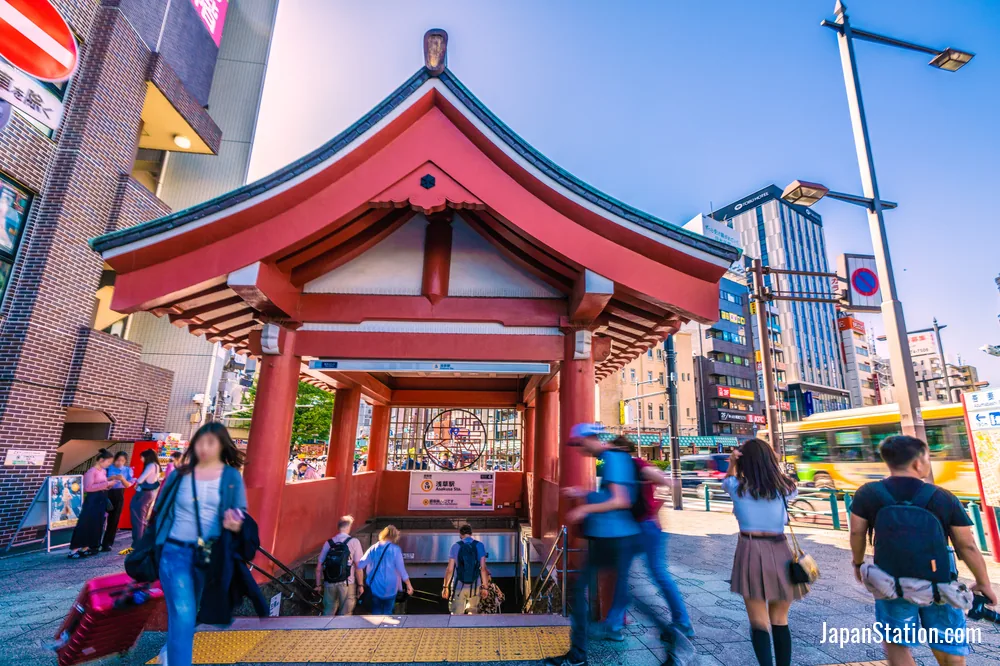
How we measure walk times
A walk time on this site is how long it takes to get from the station's ticket gate to the hotel's main entrance, on foot, at an unhurried pace, by the route a first-time visitor would actually take. Three things follow from that.
We start at the gate that serves the hotel, not the station's center. A large station can have exits ten minutes apart. The figure you see is from the exit you'd actually use to reach that hotel, which is often not the main one.
We follow walking routes, not straight lines. A hotel that looks 200 meters away on a map can be a 400 meter walk around a rail viaduct, a river, or a station building with no through-passage. The time reflects the walk, not the as-the-crow-flies distance.
We round to the nearest minute and round up at the boundary. A walk that takes four and a half minutes is shown as five. Better that you arrive early than late.
Where a hotel connects directly to a station through an underground concourse or a shared building, we say so plainly ("direct access" or "connected") rather than quoting a misleadingly short outdoor time. Where a rail operator or the hotel publishes its own official walking figure, we note it and explain any difference from ours.
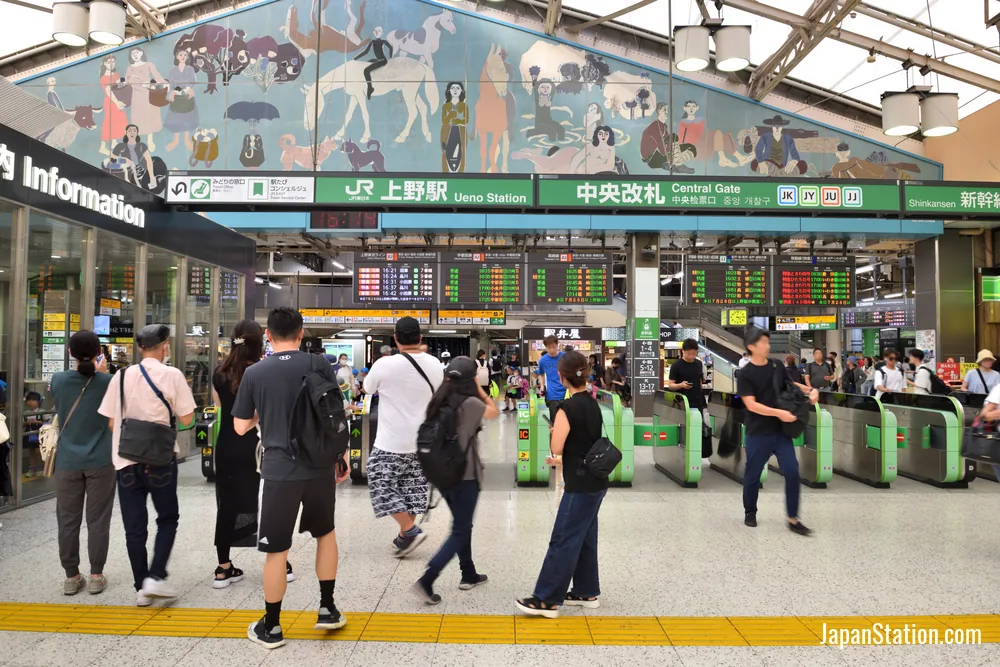
How we judge a station's usefulness
We rate a station by what it lets you do, not by how many lines it lists. A station with three lines that all go where visitors go can beat one with eight that mostly serve commuters. For each station we weigh four things.
Airport access: whether you can reach the relevant airport by a direct train, a single transfer, or only an awkward chain of them. On arrival and departure days this often matters more than anything else.
Intercity reach: whether the station puts a Shinkansen or limited express platform within easy reach, which decides how practical day trips and onward travel are from that base.
Network coverage: how many of a city's key districts you can reach without a transfer. Staying on the right line is worth more than staying near the biggest station.
Role and feel: whether the station is a major terminal or a quieter neighborhood stop. Terminals offer reach, but also crowds and long internal walks; smaller stations trade reach for an easier arrival with luggage. Neither is better in the abstract, and we say which a station is.
How a hotel gets into the index
A hotel enters the index when it clears two bars. First, it's within easy walking distance of a station we consider useful, ten minutes from the gate. Second, it's a place a traveler would reasonably want to book, judged on quality, condition, and how well its location suits a rail-based trip.
Proximity alone isn't enough. We don't list every business hotel beside every station. A hotel earns its page by being both well connected and worth staying in.
How budget tiers work
Every hotel carries one of three tiers, so you can scan the index by what you intend to spend.
- BudgetUnder USD $100 / under JPY 15,000Budget covers clean, functional, well-located stays with few extras: well-run business hotels and reliable chains where the value is the location and a good night's sleep.
- Mid-rangeUSD $100-$300 / JPY 15,000-45,000Mid-range covers comfortable rooms with some dining, service, and facilities. This is the bulk of the index, and where most travelers find the best balance of price and access.
- LuxuryOver USD $300 / over JPY 45,000Luxury covers full-service hotels with notable design, location, or amenities, at rates to match.



Tiers are based on the typical nightly rate for a standard double room in a normal-season midweek stay. The tier describes the hotel's overall positioning. It's separate from how convenient the hotel is, which the walk time and station chip carry on their own. A budget hotel can hold the best station access on a page, and often does.
Where our data comes from
For where visitors actually stay and how cities compare, we use the prefecture-level guest-night statistics published by Japan's Ministry of Land, Infrastructure, Transport and Tourism (MLIT) as our primary measure, rather than booking-site popularity, which reflects marketing as much as reality.
For lines, station codes, and service types, we use the rail operators' own published information.
For room counts, facilities, and access, we use each hotel's published information, checked against the property and against operator data where possible. When sources disagree, we say which we trust and why.
How we stay independent
We earn money when you book a hotel through a link on this site. That funds the work. It does not buy a place in the index, a higher tier, or a kinder write-up.
We choose and rank hotels by station access and quality first. The booking link is added afterward, and a hotel with no affiliate arrangement appears on exactly the same terms as one that pays. If that ever stops being true, this page will say so before anything else changes.

How current this is
Rail networks and hotels change, so every city, station, and hotel page carries a last-reviewed date. We re-check pages every quarter, and sooner after any major change we know about: a Shinkansen extension, a station renovation, a hotel opening or closing. The news we publish feeds straight back into the pages it affects.
Found a mistake?
If a walk time feels wrong, a line has changed, or a hotel detail is out of date, tell us through the Japan Station contact page. We'd much rather hear it from you than leave it wrong for the next traveler.
