Kanto
 Japan Station Hotel Index
 Browse all cities
Search 66 cities by name, station, or region, or start from a popular base. Every city page maps stay areas, stations, and hotels.
Best starting points for a first trip
Showing 66 of 66
Abashiri combines Sea of Okhotsk drift-ice scenery with museums, seafood, Memanbetsu Airport access, and JR routes toward Shiretoko and Kushiro.
Samurai history shapes Aizuwakamatsu, from Tsuruga Castle and traditional streets to sake brewing, historic gardens, and hot springs beyond the former castle town.
On Hyogo's eastern edge beside Osaka, Amagasaki combines rapid JR links for wider Kansai trips with a separate Hanshin district for its castle, temples, and old shopping streets.
Giant Nebuta floats define Aomori, and the compact bayfront around Aomori Station keeps Nebuta Museum Wa Rasse, central hotels, and direct airport buses close.
Asahiyama Zoo draws the crowds, but Asahikawa also offers a distinctive food and design culture alongside rail links to Biei, Furano, and northern Hokkaido.
Atami's hot springs, palm-lined beach, and hillside views shape a seaside resort with fast Shinkansen access from Tokyo and easy onward travel into the Izu Peninsula.
Across Beppu's eight hot-spring districts, central public baths near the station contrast with Kannawa's steam-filled lanes and the famous Hells.
Chiba's highlights stretch across Makuhari's convention and sports district, the central city, a suspended monorail, and the waterfront around Chiba Port.
Chitose is Hokkaido's airport city, centered on New Chitose Airport, JR rail links, terminal shopping and dining, and onward access to Sapporo, Otaru, and Lake Shikotsu.
Lake Kawaguchi is Fujikawaguchiko's busy center; forested Saiko, smaller Shojiko, and Motosuko continue west into quieter country beneath Mount Fuji.
Fujiyoshida is a Mount Fuji gateway city known for Fuji-Q Highland, the Yoshida climbing route, Chureito Pagoda views, textile craft, Yoshida udon, and convenient access around the Fuji Five Lakes.
Fukui Castle ruins and Yokokan Garden are within walking distance of Fukui Station, with direct Hokuriku Shinkansen trains to Tokyo and local routes across northern Fukui.
Food, shopping, and nightlife shape a Fukuoka stay, backed by unusually fast airport subway access and Shinkansen connections from Hakata across Kyushu.
Mount Kinka, Oda Nobunaga's history, and Nagara River traditions give the prefectural capital a distinct identity, with two central stations providing easy links to Nagoya and Centrair.
The morning market, port-era streets, and Mount Hakodate after dark give Hakodate its character, while streetcars connect the center with Goryokaku and Yunokawa.
Hakone's hot-spring districts stretch from Hakone-Yumoto toward Lake Ashi; museums and Owakudani make an overnight stay more rewarding than a rushed circuit.
With Shinkansen trains in the center and Lake Hamana beyond it, Hamamatsu rewards travelers who separate quick city sightseeing from slower waterside plans.
Himeji Castle and Koko-en fill a compact central day; Mount Shosha requires a separate outing beyond the city center.
Hiroshima is a strong choice for travelers combining Peace Memorial Park and Miyajima with Sanyo Shinkansen access, streetcars, local food, and Setouchi day trips.
West of Hakodate in southern Hokkaido, Hokuto combines Hokkaido Shinkansen access with coastal food, rural scenery, and quieter road-trip planning.
Pilgrimage routes bring together shrine forests, traditional streets, and local food, with the main rail hub near Geku and buses continuing to Naiku.
Ito's hot springs and Orange Beach shape a walkable seaside center, while Mount Omuro and the Jogasaki Coast open up broader day trips across eastern Izu.
Facing Sakurajima across Kinko Bay, Kagoshima brings together tram-served food streets, easy ferry trips, and Shinkansen links for exploring southern Kyushu.
Kamakura suits travelers looking for historic temples and shrines, coastal Enoden rides, beach areas, and easy rail access from Tokyo or Yokohama.
Kanazawa works well for travelers interested in gardens, historic districts, seafood markets, and craft culture, with Hokuriku Shinkansen access via Kanazawa Station.
Karuizawa pairs a historic highland-resort identity with forest scenery, shopping, outdoor activities, and direct Hokuriku Shinkansen access from Tokyo.
Warehouse facades and Toki no Kane make Kawagoe feel far removed from Tokyo, though Tobu trains take as little as 26 minutes from Ikebukuro.
At Kyushu's northern tip, Kitakyushu connects Kokura's Shinkansen hub with Mojiko's historic port, Kanmon Strait views, and ferry links to Shimonoseki.
Kobe brings together harbor views, Kitano's historic streets, Kobe beef, and easy Mount Rokko escapes, with Sannomiya serving as the main area for hotels and local transport.
Kochi is a Shikoku city where food markets, castle walks, and easy streetcar rides make the central districts especially rewarding.
Kumamoto Castle anchors this central Kyushu city, where trams connect Shinkansen arrivals with downtown shopping and Suizenji Jojuen Garden.
Canal-side storehouses and the Ohara Museum of Art define central Kurashiki, while Kojima's denim workshops and quick local trains from Okayama widen the itinerary.
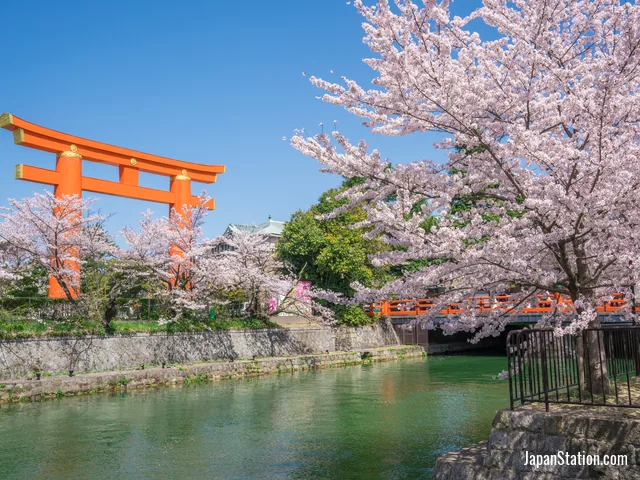
Plan Kyoto neighborhood by neighborhood, choosing between easy rail transfers, the east side's historic streets, or central districts with balanced dining, shopping, and cross-town transport.
Matsumoto is a historic Nagano castle town framed by the Japan Alps, known for Matsumoto Castle, walkable downtown streets, hot springs, mountain routes, and convenient limited express rail, bus, and Shinshu Matsumoto Airport links.
With Dogo Onsen for bathing and Okaido for castle-side evenings, Matsuyama is an easy Shikoku city to plan around a few distinct neighborhoods.
Spring-fed waterways and a walkable center shape Mishima's character, while Shinkansen and local rail connections lead toward Mount Fuji, Hakone, and the Izu Peninsula.
Nagano stretches from Hokuriku Shinkansen platforms to Zenkoji's temple-town streets, with bus trips into Togakushi and Matsushiro beyond the center.
Nagasaki wraps around a mountain-framed harbor, with historic trading districts, peace memorials, hillside views, and trams linking the main sightseeing areas.
Beyond its role as a Tokaido Shinkansen stop, Nagoya offers castle history, industrial heritage, major museums, lively shopping districts, and a distinctive local food culture.
Naha makes an easy first or last stop in Okinawa, with airport monorail access, Kokusai-dori dining, and Shuri's historic sights all within reach.
Nara is a compact Kansai city of free-roaming deer, ancient temples, and atmospheric old-town lanes, with Kintetsu Nara favoring park access and JR Nara often better for JR rail, station-side hotels, luggage, and airport-bus plans.
Narita combines Tokyo-area airport convenience with a historic temple town, eel restaurants, Omotesando shops, and easy stays around Keisei Narita and JR Narita.
Niigata is a working Sea of Japan port known for rice, sake, seafood, Shinano River waterfront sights, and direct Shinkansen trains from Tokyo.
World Heritage shrines, forested mountains, and trips to Lake Chuzenji give Nikko more depth than a day trip, with two rail approaches from Tokyo.
Niseko's ski slopes and hot springs are spread beyond the town center, with summer hiking and rafting among the surrounding mountains.
Obihiro brings together Tokachi food, Banei horse racing, wide-open scenery, and convenient rail and airport links in eastern Hokkaido.
Odawara pairs its landmark castle and Sagami Bay food culture with a five-operator rail hub connecting Tokyo, the Tokaido Shinkansen, Hakone, and points farther west.
Oita brings art, local food, and a lively station district together, with bus trips to Umitamago aquarium and Takasakiyama's wild monkeys.
Okayama combines Korakuen Garden and castle walks with Sanyo Shinkansen connections for easy trips to Kurashiki, Shikoku, and the Setouchi coast.
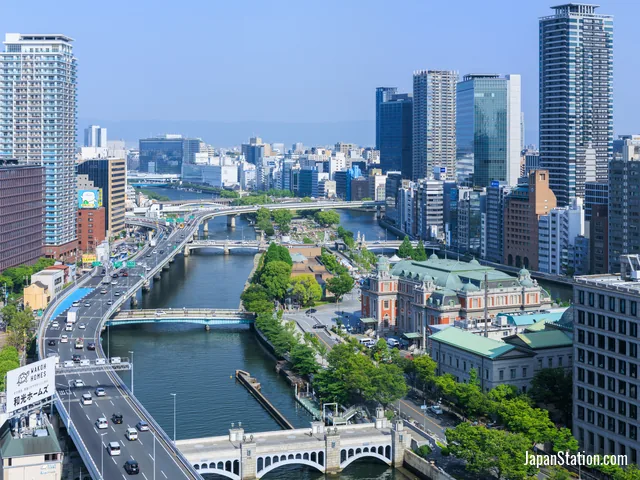
Osaka unfolds through distinct districts: Minami for food and nightlife, Umeda for shopping and regional rail, Shin-Osaka for bullet trains, and Tennoji for southern routes and airport access.
From Otaru Station, a downhill walk reaches the canal and historic merchant streets, where glass shops and seafood restaurants fill a compact center.
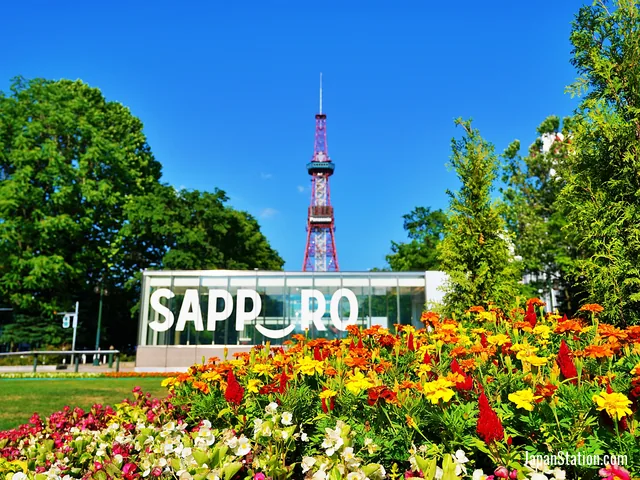
Sapporo gives Hokkaido journeys an inviting starting point, shaped by memorable food, major winter events, and a central grid that is easy to navigate.
Leafy streets, Date Masamune history, and fast rail links make Sendai a straightforward starting point for a first trip through Tohoku.
Shizuoka combines Tokaido Shinkansen convenience with green tea, Tokugawa history, and outings toward Suruga Bay or Mount Fuji-view landscapes.
Takamatsu brings together Seto Inland Sea scenery, Sanuki udon, historic gardens and castle sites, island ferries, and straightforward rail access into Shikoku.
Beneath the Hida mountains, Takayama brings together Edo-period merchant streets, morning markets, festival traditions, and rail and bus routes across central Japan.
Cultured pearls, ama divers, seafood, and four inhabited islands define Toba, a coastal Ise-Shima city with trains and ferries meeting along its compact bayfront.
Central Japan International Airport Station
Tokoname brings a thousand-year pottery tradition within one short Meitetsu ride of Centrair, connecting the Pottery Footpath with the offshore airport island.
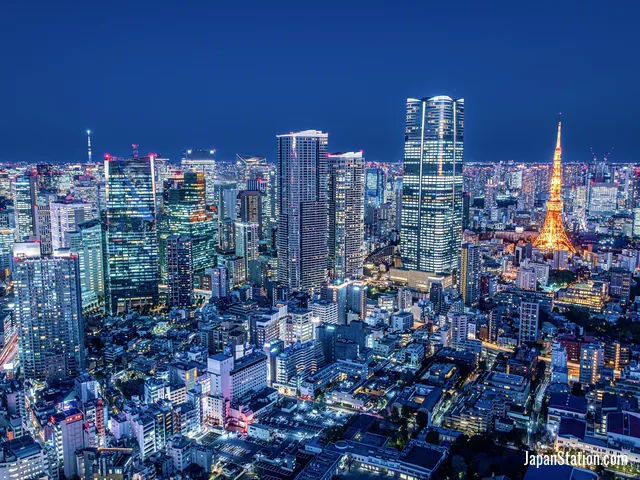
Tokyo makes more sense as a network of distinctive neighborhoods and station areas than as a vast capital with one central district.
Toyama pairs Hokuriku Shinkansen access and a simple tram network with Toyama Bay seafood, glass and craft culture, and convenient routes toward Tateyama, Kurobe, and Gokayama.
Toyooka rewards extra time in northern Hyogo, with Kinosaki Onsen reached by rail and Izushi, Takeno, Kannabe, and stork country explored by bus, train, or car.
With port museums and Kehi Jingu Shrine, Tsuruga offers a sightseeing stop where trains from Kansai meet the Hokuriku Shinkansen.
Just east of Tokyo, Urayasu brings a major theme-park resort and bayfront hotels together with an older fishing-town core on Tokyo Bay.
Wakayama is an approachable coastal city south of Osaka, with castle history, local ramen, bay outings, and convenient rail links for exploring northern Wakayama Prefecture.
Yokohama combines easy rail access from Tokyo with a lively waterfront, Minato Mirai, Chinatown, bay views, shopping, and convenient airport connections through Yokohama Station.
Yonezawa brings together Uesugi samurai history, renowned wagyu, eight hot-spring areas, and direct Yamagata Shinkansen access from Tokyo in just over two hours.