Overview
On the Tokaido corridor in western Shizuoka, Hamamatsu is easiest to plan in two parts. The center handles rail arrivals and quick cultural stops. Lake Hamana and Kanzanji call for a slower day shaped by local transport and time by the water.
That distinction matters. Stay around Hamamatsu Station and Central Hamamatsu if your trip depends on Shinkansen timing, central hotels, and straightforward sightseeing. The museum and castle fit into a compact city plan, but the lake is better treated as its own outing.
What the city is known for
Music is Hamamatsu's clearest central theme. The Hamamatsu Museum of Musical Instruments, a short walk from JR Hamamatsu Station, reflects the city's long-running musical identity through collections from around the world.
History is close at hand as well. Hamamatsu Castle is tied to Tokugawa Ieyasu and the old Tokaido route. Today, its reconstructed tower and surviving stonework make it an easy central stop rather than a distant excursion.
Lake Hamana gives the city a different rhythm. Around Kanzanji, the focus shifts to lake scenery and leisurely plans instead of quick downtown sightseeing. Hot springs, cruise boats, and the ropeway are easier to enjoy when scheduled deliberately, not squeezed between central-city stops.
Main areas
Central Hamamatsu is the rail-and-hotel side of the city. The blocks around JR Hamamatsu and nearby Shin-Hamamatsu Station handle arrivals, while Act City, restaurants, and the museum area round out an easy city-center stay.
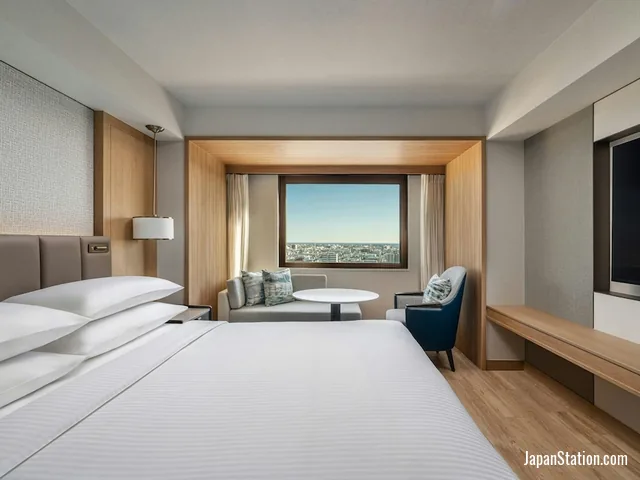
For a high-rise stay close to Act City and the JR hub, Okura Act City Hotel Hamamatsu is the more rail-focused choice. Hamamatsu Marriott Hotel is also central, but it better suits travelers who want larger hotel facilities and do not mind a short local transfer from the rail area.
The castle area remains part of the center, though it feels more like a sightseeing pocket than the main transport district. Lake Hamana and Kanzanji are farther out, so they suit visitors who are choosing the lakeside part of Hamamatsu on purpose.
Getting around and onward travel
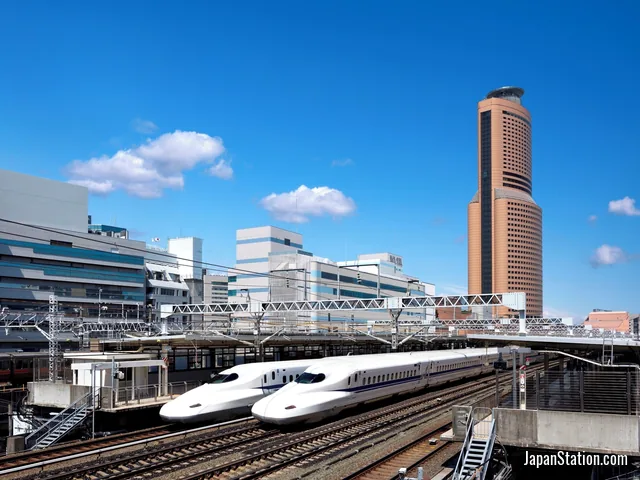
Hamamatsu Station is served by the Tokaido Shinkansen and JR Tokaido Main Line, with Entetsu rail and buses adding local routes from the central area. Hikari services can put the city about 90 minutes from Tokyo or Shin-Osaka and about 30 minutes from Nagoya, depending on the stopping pattern.
Local travel changes once you leave the center. The museum is within walking distance of JR Hamamatsu, and the castle is a short local hop. The lake usually requires a bus, car, or another local route, so check the plan carefully before setting out.
Where to stay and where to go next
Stay in Central Hamamatsu when Shinkansen timing and luggage convenience matter. It keeps the museum and castle area close while leaving onward rail simple.
Choose Lake Hamana when the water is the point of the trip, especially if you want Kanzanji hot springs, cruise boats, or time for cycling. Hamamatsu can be an easy rail stop, but it becomes more rewarding when you decide which side of the city you want to experience.