Overview
Kanazawa is the capital of Ishikawa Prefecture on the Sea of Japan side of Honshu. It is a good fit for travelers who want historic neighborhoods, gardens, museums, seafood, and traditional crafts in a city that does not rely on a large subway network.
What the city is known for
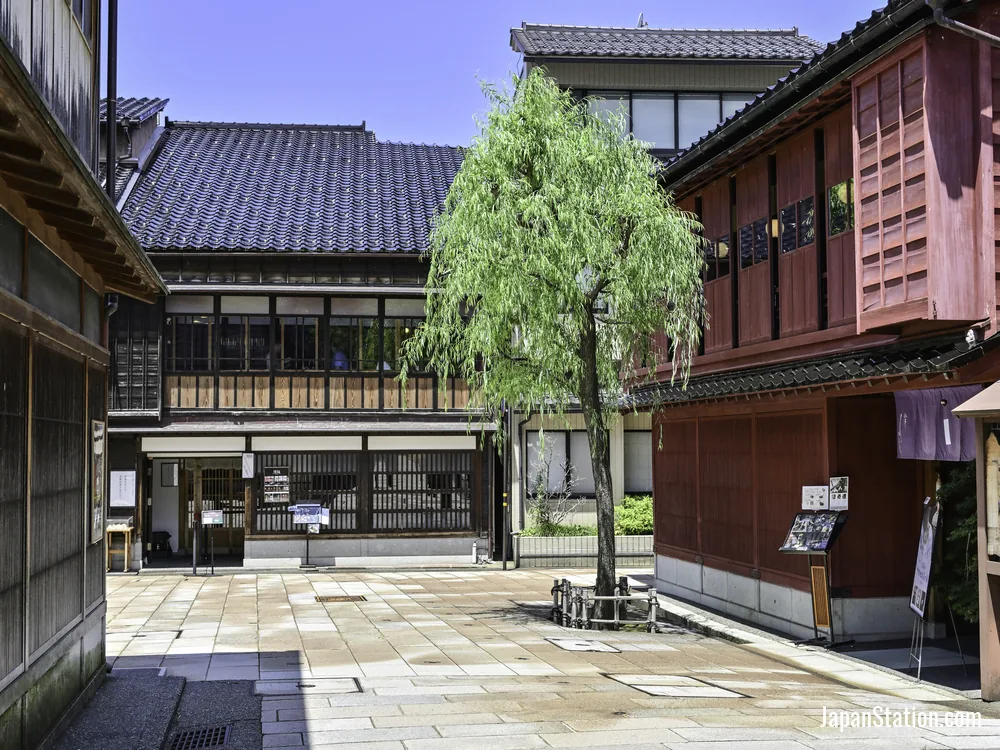
Kanazawa is closely associated with Edo-period culture, including samurai and geisha districts, gold leaf, lacquerware, Kutani pottery, and garden culture. Kenrokuen Garden and Kanazawa Castle Park form the central sightseeing anchor. Nearby, Omicho Market, Higashi Chaya District, Nagamachi Samurai District, and the 21st Century Museum of Contemporary Art give visitors a compact mix of food, historic streetscapes, history, and art.
Main areas
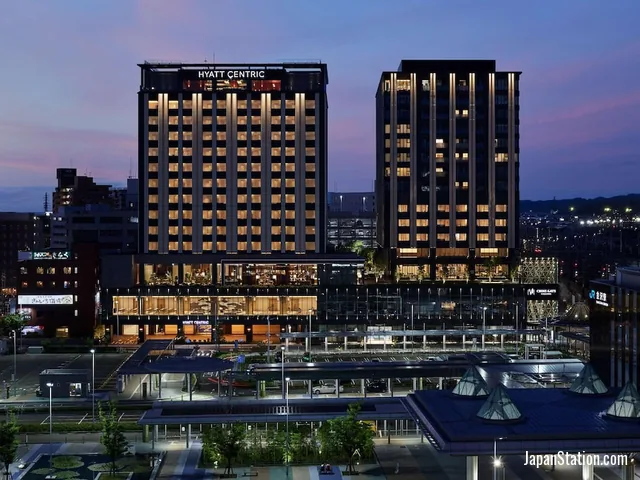
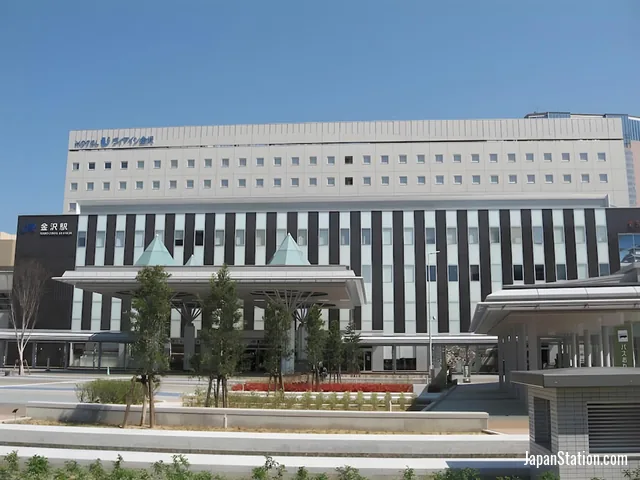
Kanazawa Station is the main rail hub and usually the easiest place to stay for travelers arriving by train. The area is especially convenient for Shinkansen arrivals, luggage, local buses, taxis, and the airport bus. The tradeoff is location: many of Kanazawa's main sights are east of the station, around the castle, garden, museum, market, and historic districts.
Sightseeing here usually means moving between several compact zones rather than staying in one attraction cluster all day. Omicho Market is closer to the station than Kenrokuen Garden, while Higashi Chaya and Nagamachi are on different sides of the central sightseeing area. The layout is manageable, but it helps to think in terms of short transfers and walks rather than a single straight route.
Getting around and onward travel
Kanazawa Station connects the city with Tokyo on the Hokuriku Shinkansen. Travelers coming from Osaka or Kyoto now use limited express services to Tsuruga, then transfer there to the Hokuriku Shinkansen for Kanazawa. Komatsu Airport is the nearest airport, with airport bus service to Kanazawa Station.
Within the city, buses, taxis, walking, and bike share are more important than urban rail. Most major attractions are within roughly 2 kilometers of Kanazawa Castle, although they are not all next to one another. The Kanazawa Loop Bus links Kanazawa Station with stops around Omicho Market, Higashi Chaya District, Kenrokuen Garden, Kanazawa Castle, the 21st Century Museum, and Nagamachi Samurai District.
Where to stay and where to go next
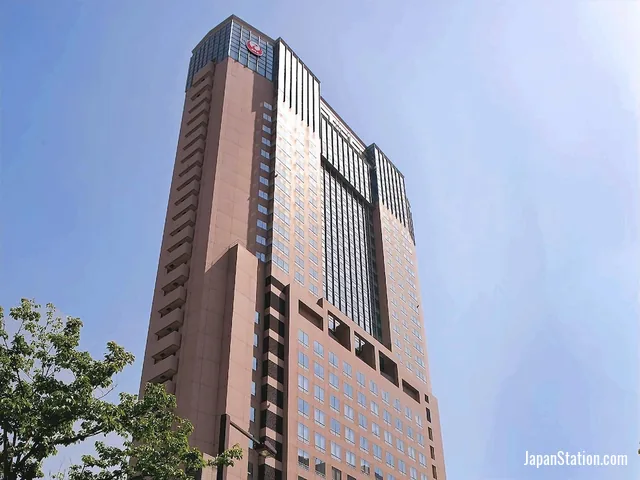
Choose the Kanazawa Station area if rail access, the airport bus, and easy luggage handling are the priorities. If evening walks and historic atmosphere matter more, it is worth comparing that convenience with accommodation closer to the central sightseeing area.
Kanazawa also works well for onward travel around Hokuriku and nearby areas. Common routes continue toward Toyama, Fukui, Kaga Onsen, Shirakawa-go, Gokayama, Takayama, or Tokyo, depending on whether the itinerary is built around Shinkansen, limited express, or highway bus travel.
Good to know
Kanazawa is compact, but the main sights are not all beside the station or gathered on one street. Plan on using buses or taxis for part of the day if you have luggage, are traveling in poor weather, or want to cover the garden, market, museum, and historic districts efficiently.