Overview
Tohoku covers northern Honshu and includes Aomori, Iwate, Miyagi, Akita, Yamagata, and Fukushima. It is best understood as a region of gateways rather than a single city-to-city corridor. Sendai is the strongest first base for many trips, the Tohoku Shinkansen forms the main north-south route, and many of the region's most rewarding places are reached by branch lines, buses, coastal rail, or mountain roads.
What the region is known for
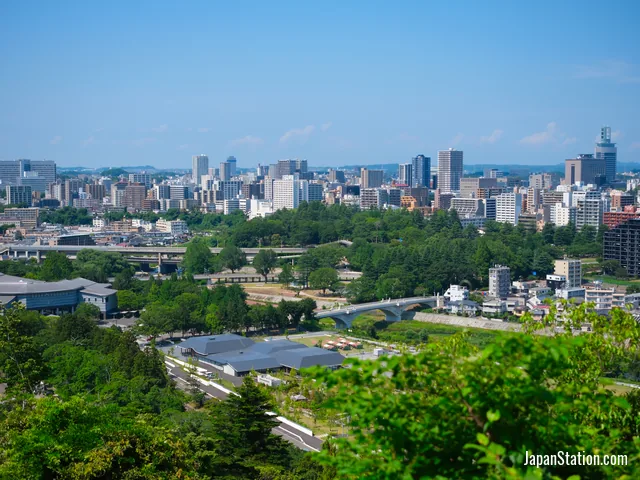
Tohoku is known for deep snow, hot springs, summer festivals, samurai districts, mountain temples, Pacific and Sea of Japan coastlines, seafood, fruit, sake, and quieter historic towns. Sendai combines city hotels, shopping, dining, castle history, and access toward Matsushima. Aomori, Hirosaki, and Hachinohe shape northern itineraries around festivals, seafood, art, coastal routes, and onward rail travel toward Hokkaido.
Morioka is a useful inland base for Iwate food, crafts, castle-park walks, Hiraizumi, Appi Kogen, and routes deeper into northern Tohoku. Akita, Yamagata, Fukushima, Koriyama, Aizuwakamatsu, Tsuruoka, Sakata, Iwaki, and the Sanriku coast each work well for more focused trips built around onsen towns, temples, snow country, samurai history, coastlines, or local rail journeys.
Main gateways
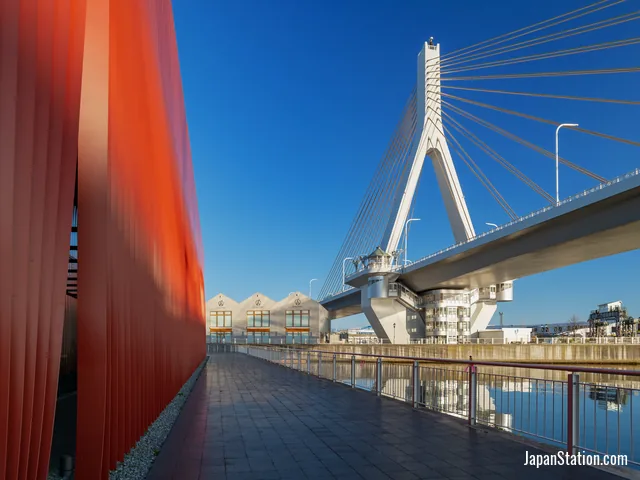
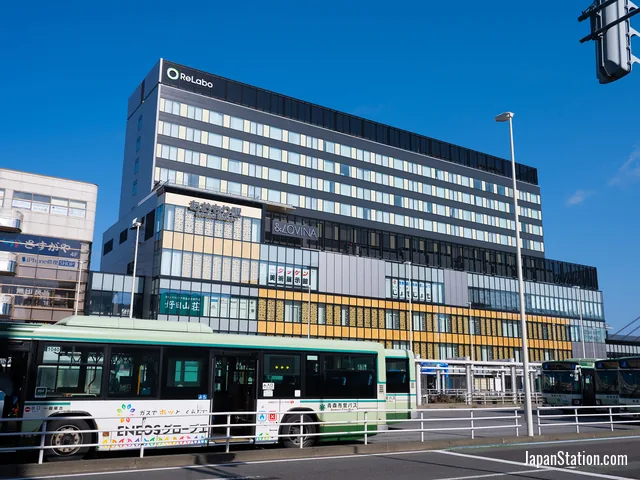
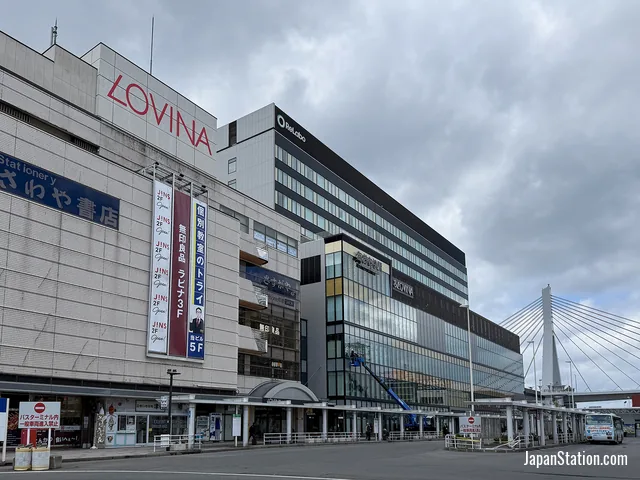
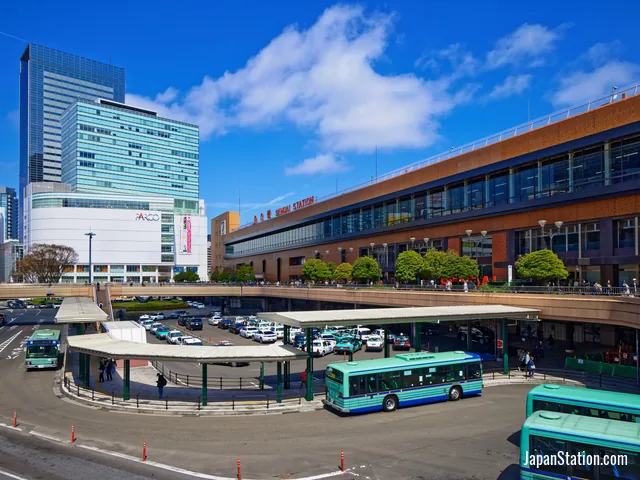
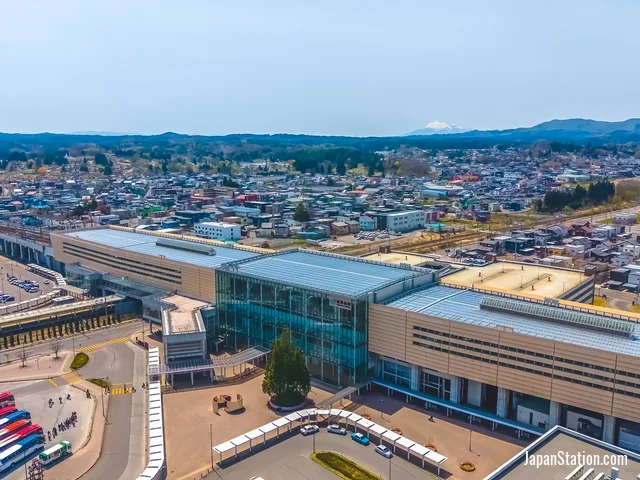
Use Sendai Station Area for the broadest indexed base in Tohoku, especially when a trip depends on Shinkansen timing, city hotels, dining, and regional day trips. Aomori Station Area is well suited to travelers focused on central Aomori, Nebuta culture, the waterfront, and seafood, while Shin-Aomori Station Area is the more rail-oriented choice for Tohoku Shinkansen and Hokkaido Shinkansen connections.
Getting around and onward travel
The Tohoku Shinkansen runs from Tokyo to Shin-Aomori, with onward service on the Hokkaido Shinkansen toward Shin-Hakodate-Hokuto. The Akita and Yamagata Shinkansen branches make Akita, Yamagata, and Shinjo easier to reach without requiring every trip to transfer through Sendai. Beyond the high-speed spine, limited express trains, local rail, highway buses, rental cars, and domestic flights become more important for the Sanriku coast, Aizu, Zao, Dewa Sanzan, Oirase, Towada, rural onsen towns, and winter routes.
Where to stay
Choose Sendai when you want the easiest first base in Tohoku, with strong rail access, a wide choice of hotels and restaurants, shopping, Matsushima access, and day trips across Miyagi or southern Tohoku. Choose Aomori or Shin-Aomori when the focus is northern rail timing, Nebuta culture, seafood, Hokkaido connections, or routes toward Hirosaki and the Tsugaru side. Choose Morioka, Akita, Yamagata, Fukushima, Koriyama, Aizuwakamatsu, Tsuruoka, or a coastal base when the itinerary is centered on a specific prefecture, festival, onsen, ski area, temple route, castle town, or coastline.
Good to know
Tohoku distances are easy to underestimate. A Shinkansen stop can make one city simple to reach, while nearby mountains, hot springs, coastlines, and historic districts may still require a second transfer, a bus timetable, or a separate overnight base.