Overview
Giant illuminated floats give Aomori its most recognizable image. At the northern edge of Honshu, the city faces Mutsu Bay and keeps most central sightseeing close to the harbor. A day or two leaves time for both the waterfront and the art and archaeological sites west of the center without rushing between trains.
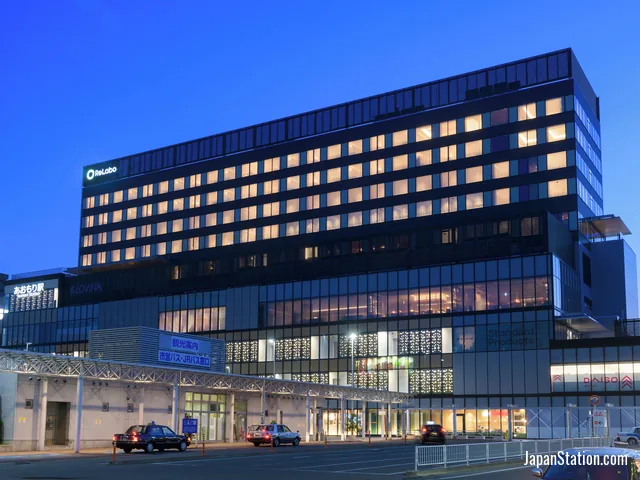
Don't assume the Shinkansen arrives downtown. Aomori Station is beside the bayfront and most central sights, while Shin-Aomori Station handles Tohoku and Hokkaido Shinkansen services. The two are a short local train ride apart, but they serve different parts of a trip.
What the city is known for
During the Aomori Nebuta Festival, large lantern floats and dancers fill the city center from August 2 to 7. Nebuta Museum Wa Rasse, beside Aomori Station, displays festival floats throughout the year and explains how they're designed and built.
Seafood is another city-center draw. At Furukawa Fish Market, visitors choose toppings for their own rice bowl. The market fits easily into a morning or lunchtime walk from the station.
West of the center, Aomori Museum of Art and the Sannai-Maruyama archaeological site are close neighbors. Together they add contemporary art and Jomon history to a visit otherwise focused on the bayfront. Reaching them requires a bus, taxi, or car.
Main areas
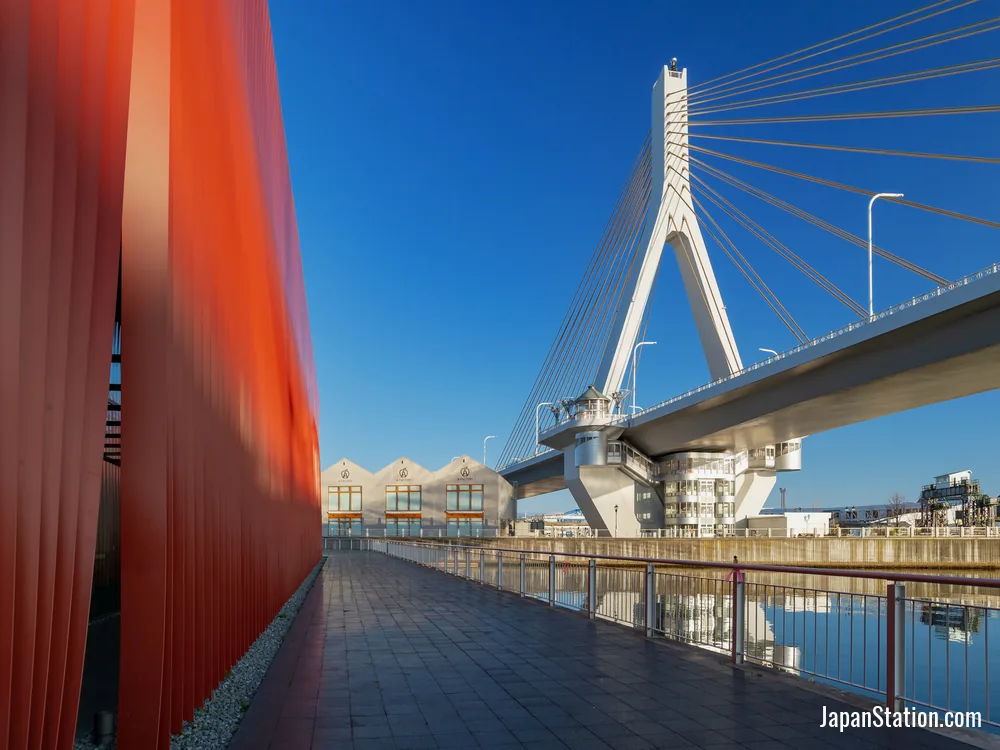
Aomori Station Area keeps the bayfront sights, central restaurants, and airport buses close together. Wa Rasse and Furukawa Fish Market are both easy to reach on foot. It's the simplest area for a first visit, especially when the city is a short stop between a flight and a rail journey.
Hotels in Shin-Aomori Station Area are closer to the Shinkansen than to downtown sightseeing. That can ease an early departure or late arrival, and the station is closer than the central district to the art museum and Sannai-Maruyama. Bayfront meals and evening walks still involve a local train or road transfer.
Farther east, Asamushi Onsen offers a separate hot-spring stay on Mutsu Bay. Direct Aoimori Railway trains from Aomori Station make it an easy extension, though it feels more like a seaside resort than another central neighborhood.
Getting around and onward travel
Walking is enough for the bayfront and the streets around Aomori Station. Use buses, a taxi, or a car for the art museum and Sannai-Maruyama.
Shinkansen trains reach Shin-Aomori from Tokyo, Sendai, and Morioka, then continue north toward Shin-Hakodate-Hokuto. Most travelers heading downtown transfer to the Ou Line for Aomori Station. From there, trains run toward Hirosaki and along the Aoimori Railway toward Asamushi Onsen and Hachinohe.
Direct airport buses connect Aomori Airport with Aomori Station, which makes the central area easier for air arrivals as well as sightseeing.
Where to stay and where to go next
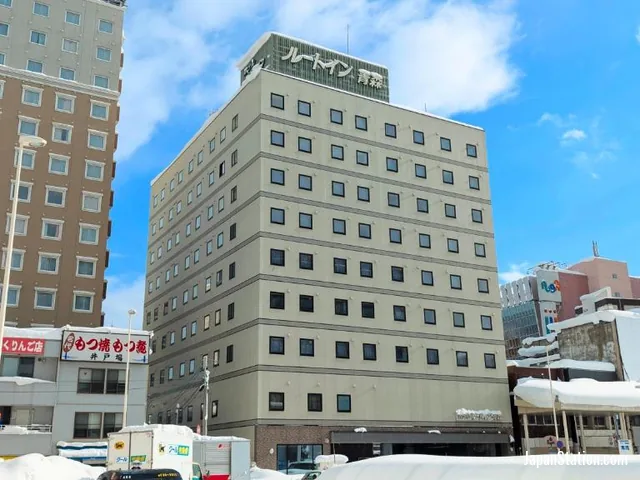
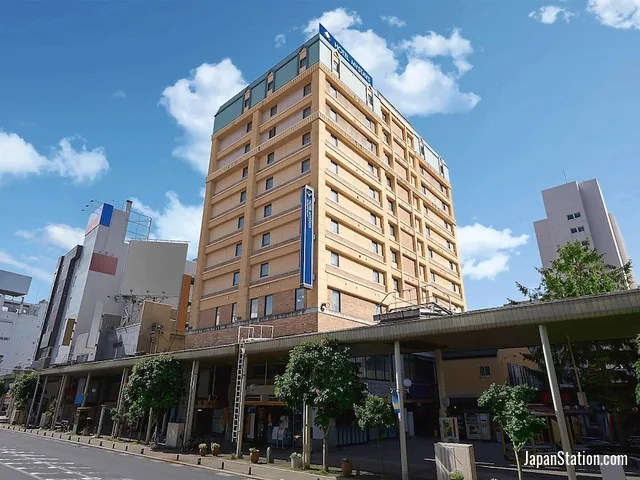
For most first visits, staying near Aomori Station keeps the trip straightforward. A hotel near Shin-Aomori shortens the walk to the Shinkansen platforms but adds another local trip for the bayfront and most evening dining.
Asamushi Onsen adds a hot-spring night on Mutsu Bay without requiring a car. For onward travel through northern Tohoku, trains from Aomori Station run toward Hirosaki and Hachinohe; return to Shin-Aomori for Shinkansen routes south or into southern Hokkaido.