Overview
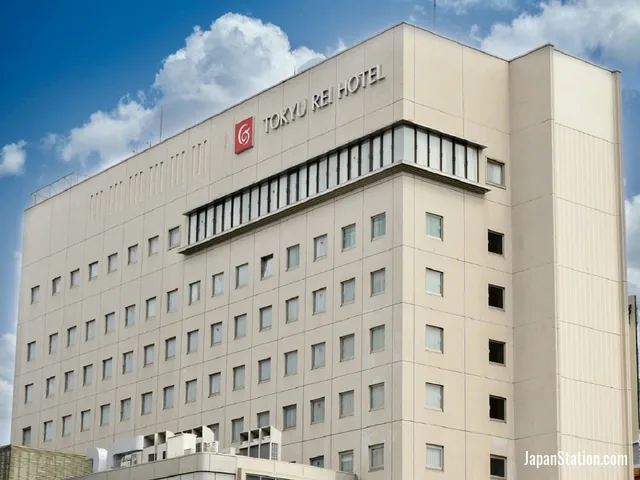
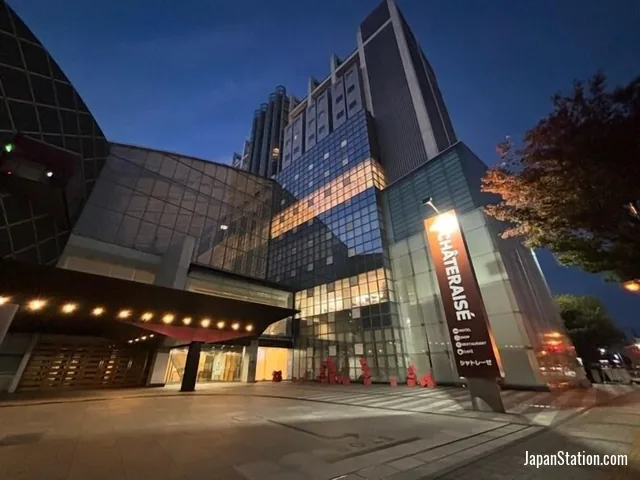
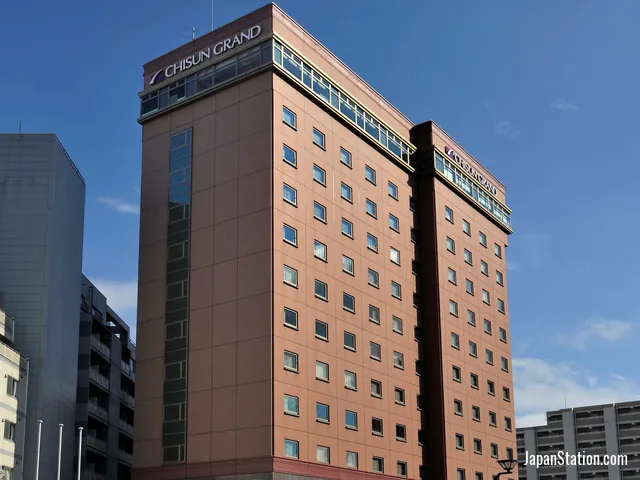
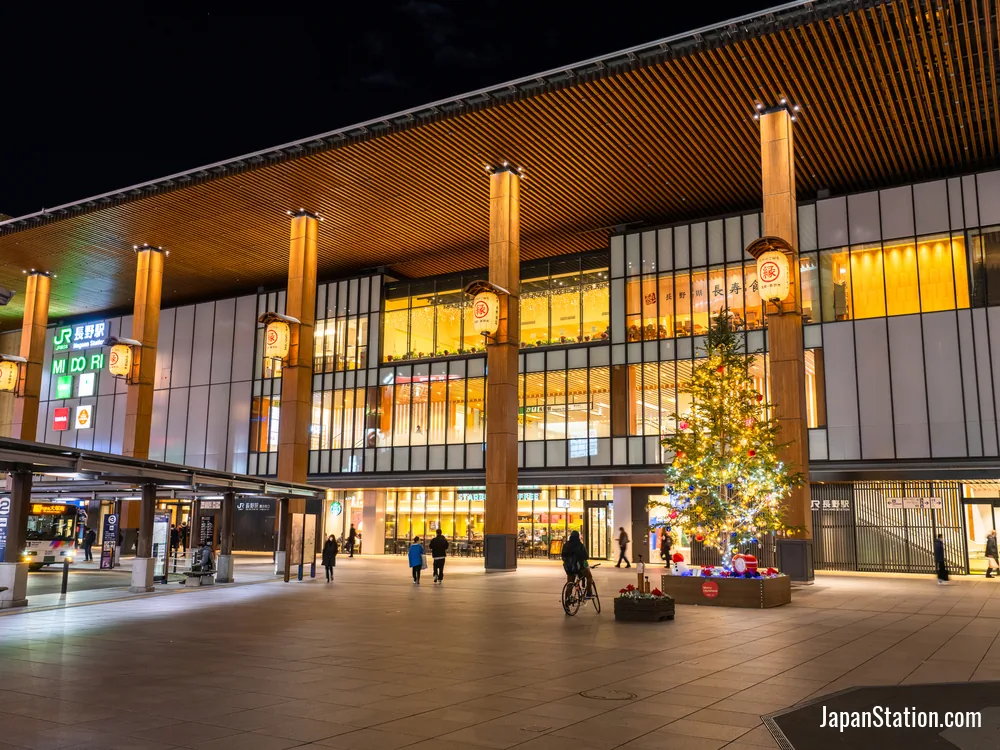
Choose Nagano Station if Shinkansen access, luggage logistics, and onward buses matter more than staying among the temple-town streets. It anchors the Nagano Station Area, where long-distance rail, local transport, and many nearby hotels are clustered.
The main tradeoff is atmosphere. Zenkoji is Nagano's defining sight, but it is not right beside the platforms. Staying near the rail hub makes arrivals, early departures, and luggage handling easier. Staying closer to the temple approach gives you a more historic setting and a stronger sense of the old city.
Lines and connections
The Hokuriku Shinkansen gives Nagano its main long-distance role. It connects the city east toward the Tokyo side and west along the Hokuriku route, which makes Nagano easy to combine with rail travel through central and northern Japan.
Conventional JR services and Shinano Railway trains add regional reach. For many visitors, these routes become important after arriving by Shinkansen, when the next step is deciding whether to continue by local train, bus, or taxi.
The Nagano Electric Railway is another key connection. Its underground stop near the main rail complex is relevant for trips toward Obuse and Yudanaka, including snow monkey itineraries that continue beyond the railway by other transport.
Buses around the station are a major part of how visitors use Nagano. This is a convenient starting point for routes to Zenkoji, Togakushi, and Matsushiro, especially when your plan depends on a timetable rather than a simple walk across town.
That bus network is also why the station area can be a sensible place to stay even when your final destination is outside the city center. Rail arrivals, local departures, and hotel logistics are all close together, which helps when you are managing bags or planning an early start.