


Overview
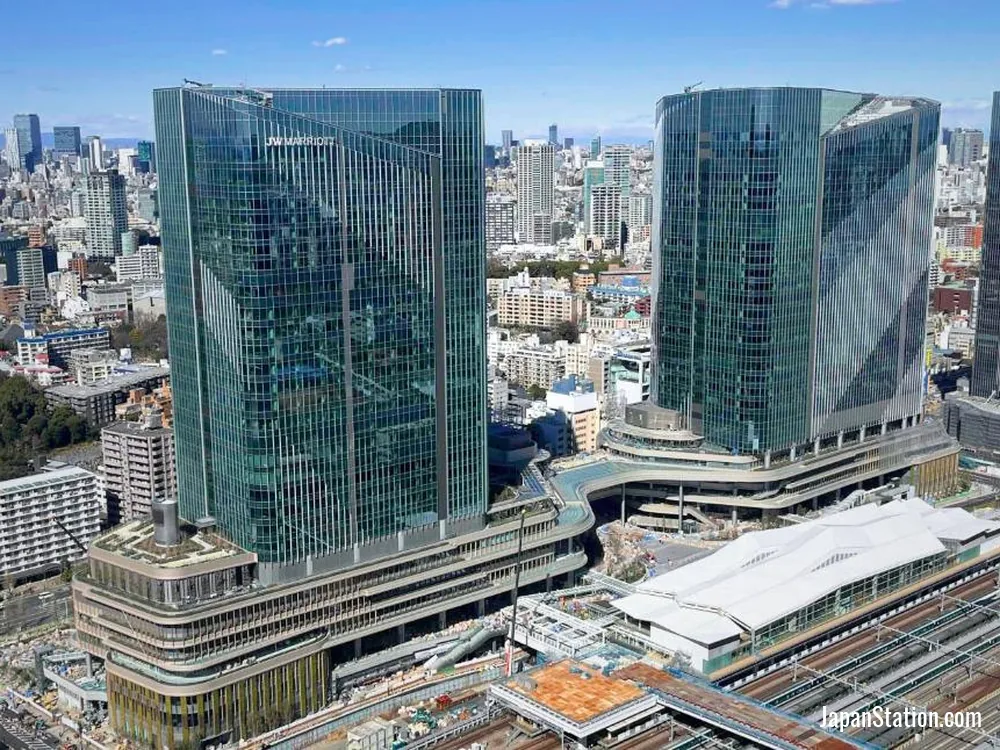
JW Marriott Hotel Tokyo occupies floors 23 to 30 of Linkpillar 1 South, high above Takanawa Gateway City. A pedestrian walkway puts Takanawa Gateway Station about one minute away from the South Gate, providing unusually close access to the Yamanote and Keihin-Tohoku lines.
Its 200 rooms and suites look across the Tokyo skyline or toward Tokyo Bay. A 25-meter pool, Spa by JW, and a broad dining lineup make the hotel worth spending time in between trips across the city.
Rooms
Floor-to-ceiling windows, natural materials, and soft lighting shape the room lineup. Urban Deluxe and Bay View Deluxe rooms are distinguished by their outlook, while Junior, Executive, and Presidential suites provide additional living space.
JW Mindful Rooms include yoga mats, meditation tools, and organic herbal tea. Guests in these rooms check in and out at Spa by JW rather than the main reception. Executive rooms and suites can include lounge access with breakfast, refreshments, and evening drinks.
Facilities
Wellness is central to the stay. Spa by JW is joined by a 25-meter indoor pool, a sauna, and a fitness center that remains open around the clock. On the lobby level, Serene Space provides a separate room for meditation or a quiet pause.
The pool is reserved for staying guests and must be booked. Spa treatments cost extra, while the fitness center and regular pool access are included.
Dining
Japanese dining is split between KAKO and SAKI, while SEFINO serves modern Mediterranean cuisine. KAKO opens for breakfast, lunch, and dinner with views toward Tokyo Bay. SAKI provides a more intimate experience, serving omakase at an eight-seat counter.
Le Cres offers croissants and takeaway pastries during the day. JW Lounge serves afternoon tea and light meals, while JW Bar opens in the evening for cocktails, wine, and skyline views.
Location and transport
Takanawa Gateway Station serves the Yamanote and Keihin-Tohoku lines. Keihin-Tohoku trains reach Tokyo Station in about eight minutes, while Yamanote services run directly to Shibuya and Shinjuku.
One stop south, Shinagawa Station is the better rail hub for the Tokaido Shinkansen and Keikyu airport trains. Sengakuji Station is about seven minutes away on foot and adds the Keikyu and Toei Asakusa lines.
Airport access
From Haneda Airport Terminal 3, the Keikyu Airport Express reaches Sengakuji in about 15 minutes, followed by the walk to the hotel. Another route from Terminals 1 and 2 changes from Keikyu to JR at Shinagawa and reaches Takanawa Gateway in about 17 minutes.
For Narita Airport, a daily Airport Limousine bus serves the combined Takanawa Gateway Station and JW Marriott Hotel Tokyo stop. Buses depart from platform 2 in the first-floor Traffic Plaza, avoiding a rail transfer when you're traveling with luggage.
Why stay here
The one-minute station approach eases daily rail trips, while high-floor rooms and extensive wellness facilities reward time spent at the hotel. Meetings within Takanawa Gateway City are close, and Shinagawa remains one stop away for Shinkansen departures.
NEWoMan Takanawa provides shopping and dining throughout the development, including the planted high-floor public garden at LUFTBAUM. Nearby, MoN Takanawa adds exhibitions and performances. The district feels newly planned rather than like an older Tokyo neighborhood, a distinction worth considering if street atmosphere matters more to you than in-building convenience.
Good to know
Takanawa Gateway Station has neither Shinkansen nor airport trains. Use Shinagawa for the Tokaido Shinkansen and Sengakuji for the most direct Keikyu route to Haneda.
Pool use requires a reservation. Children aged 4 to 15 may swim during designated daytime hours, while early mornings and evenings are reserved for guests aged 16 and above.


 1-minute walk