Overview
Tokyo rarely feels like a capital with one obvious center. It is easier to understand, and far easier to plan, as a collection of distinct neighborhoods connected by an extensive rail network. For most visitors, the key decision is which station area best matches the trip.
That choice shapes the whole visit. Old-town sightseeing, shopping, nightlife, museums, airport transfers, Shinkansen connections, and day trips each favor different parts of the metropolis. A hotel suited to evenings in Shinjuku may be less convenient for an early trip to Haneda. Staying near Shinagawa or Hamamatsucho can simplify travel days, but it places some classic sightseeing areas farther away.
What the city is known for
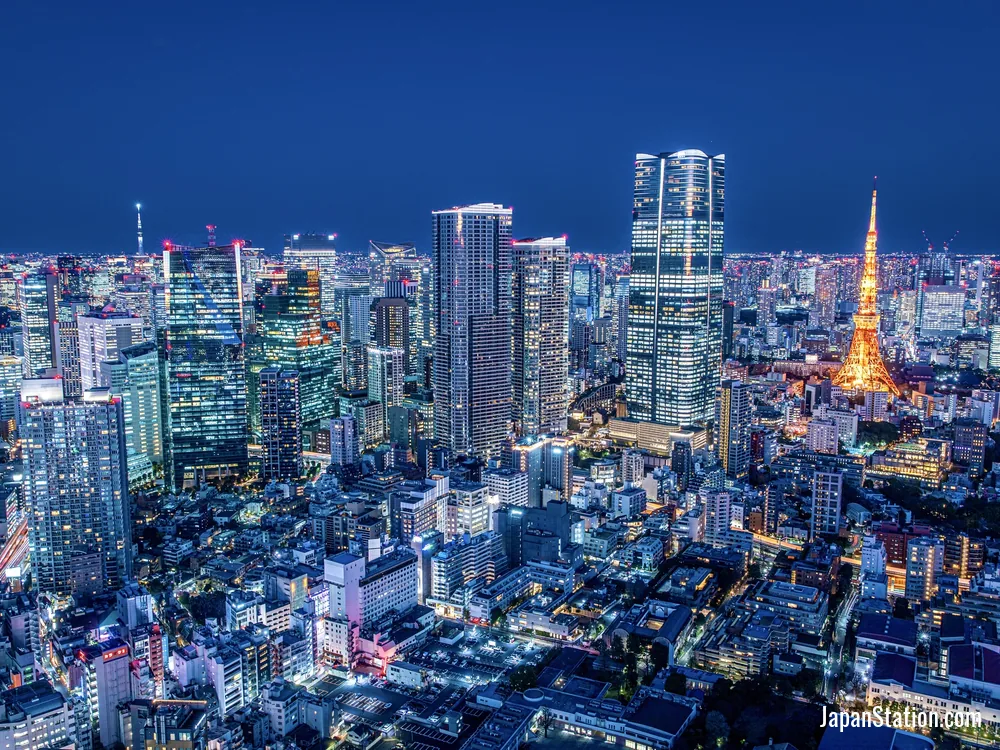
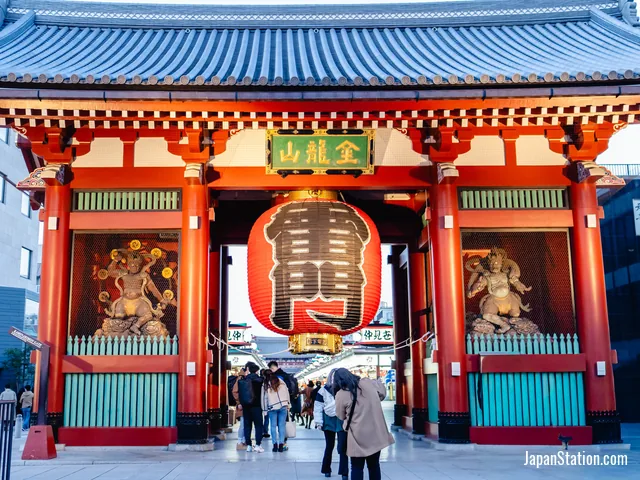
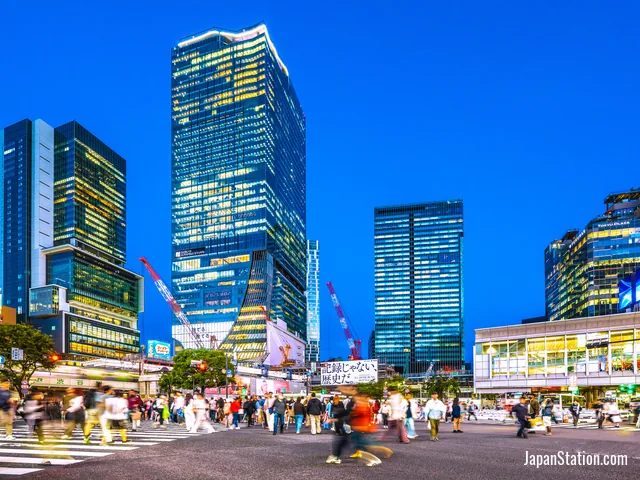
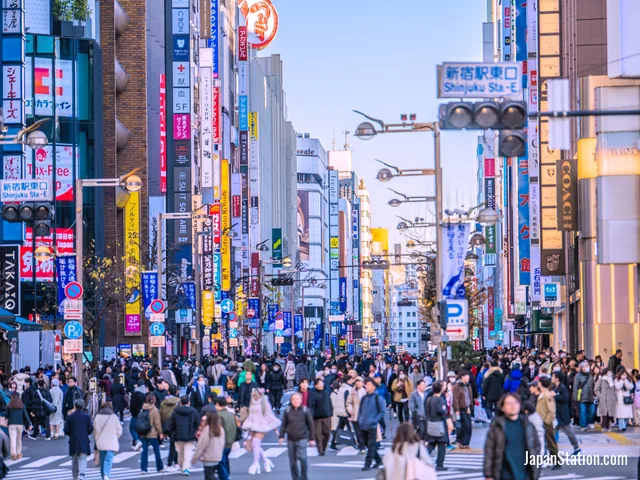
Tokyo stretches from historic Asakusa, Sensoji, and the Sumida River to Ginza shopping, Shibuya nightlife, Shinjuku's high-rise districts, Ueno museums, and Ikebukuro entertainment. Newer waterfront and south-side areas include Shibaura, Shinagawa, and Takanawa Gateway.
Food is woven into the city's daily rhythm rather than confined to one district. Department-store restaurants and station dining floors share the landscape with ramen counters, sushi shops, cafes, bars, and neighborhood food streets. Because the choices are so dispersed, location matters most at the end of the day. Staying near the lines and districts you'll use in the evening can prevent a great deal of backtracking.
Main areas
Shinjuku and Shibuya bring west-side energy, nightlife, shopping, and broad rail coverage, particularly for busy first-time itineraries. Ginza favors central shopping, dining, theater, and plans shaped more by subway travel than JR lines.
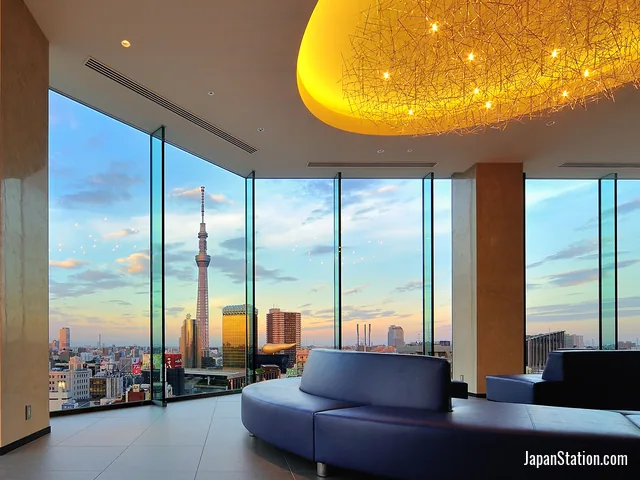
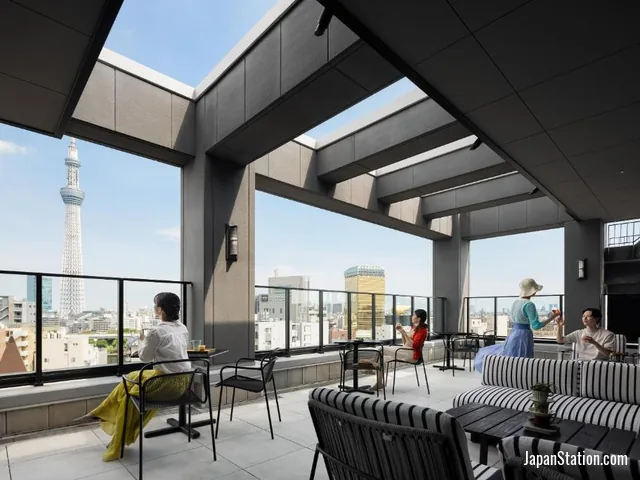
Asakusa offers a more traditional east-side stay near Sensoji, Kaminarimon, Nakamise, and the Sumida River. Ueno favors museum visits, Ueno Park, Ameyoko, and rail routes toward northern Japan. Ikebukuro is another northern Tokyo option, combining shopping and entertainment with connections across multiple rail operators.
Shinagawa, Hamamatsucho, Shibaura, and Takanawa Gateway become more appealing when transport convenience takes priority. These areas support itineraries focused on Haneda Airport, the Tokaido Shinkansen, south Tokyo, Yokohama, or the newer waterfront hotel zones.
Getting around and onward travel
Tokyo's transport network combines JR lines, Tokyo Metro, Toei Subway, private railways, the monorail, buses, taxis, and water bus routes. In practice, choosing a hotel near the station or line you'll use most often is more helpful than assuming every Tokyo address is equally convenient.
Haneda Airport and Narita Airport both serve the city. Haneda is closer to central Tokyo and connects particularly well with Hamamatsucho via the Tokyo Monorail. Keikyu and Toei connections also serve routes toward Shinagawa and the Asakusa side. Narita is farther away, with rail options including the Narita Express and Keisei services to major Tokyo stations.
Where to stay and where to go next
Shinjuku and Shibuya favor west-side nightlife, shopping, and wide rail coverage. Ginza puts central shopping and dining first, while Asakusa offers traditional east Tokyo. Ueno and Ikebukuro suit northern routes, and Shinagawa or Hamamatsucho can simplify airport journeys and Shinkansen travel.
Tokyo also pairs naturally with Yokohama, Kamakura, Kawagoe, Nikko, Hakone, Mount Takao, and onward Shinkansen trips. There isn't one universally convenient area. The right location depends on the side trips, airport plans, rail connections, and late-night priorities shaping your itinerary.