Overview
Shikoku is Japan's smallest main island, located south of the Seto Inland Sea and divided into Tokushima, Kagawa, Ehime, and Kochi prefectures. Travel here feels slower and more regional than in Kansai or northern Kyushu, with four main city gateways, long coastal and mountain routes, and itineraries shaped by rail, buses, ferries, expressways, cycling, and occasional rental cars.
What the region is known for
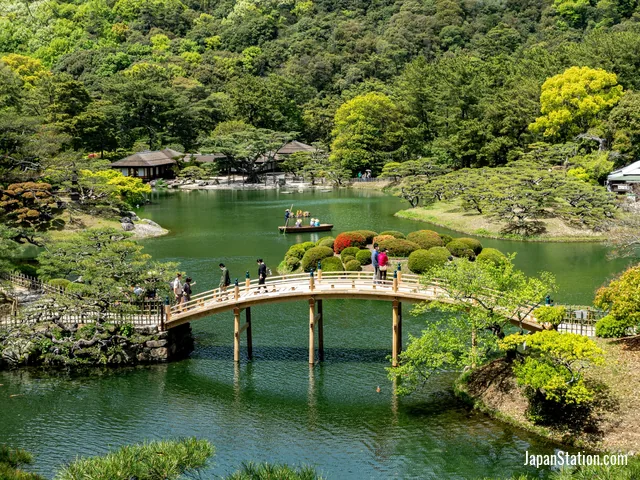
Shikoku is known for the 88 Temple Pilgrimage, Dogo Onsen, Awa Odori, Sanuki udon, original castles, Seto Inland Sea islands, the Naruto whirlpools, river valleys, capes, mountain roads, and a quieter pace of travel. Takamatsu is the clearest northern gateway, useful for Ritsurin Garden, Kagawa udon routes, Kotohira, Marugame, Shodoshima, Naoshima, Teshima, and rail travel from Okayama across the Seto Ohashi Bridge.
Matsuyama is the largest city and a natural base for Dogo Onsen, Matsuyama Castle, local trams, and western Ehime. Tokushima is the eastern gateway for Awa Odori, Naruto, ferry travel from Wakayama, and the first temple of the pilgrimage route. Kochi is the southern gateway, known for Kochi Castle, markets, food, Yosakoi, river routes, surf coast, Cape Ashizuri, and slower journeys toward Shimanto.
Main gateways
Use Takamatsu Station Area when a trip needs the simplest Honshu rail connection, JR access, ferries, station hotels, and routes toward Ritsurin Garden, Kotohira, Marugame, or nearby islands. Takamatsu-Kawaramachi is better for central Takamatsu dining, shopping, and Kotoden local rail access.
Kochi City Center is the current indexed base for southern Shikoku, especially for trips focused on Kochi Castle, markets, downtown dining, trams, and onward road or rail routes toward the Shimanto River, Cape Ashizuri, and the Pacific side. Matsuyama and Tokushima do not yet have linked stay-area pages here, but they remain important practical bases for western and eastern Shikoku.
Getting around and onward travel
JR Shikoku and local rail connect the main cities, but Shikoku rewards realistic routing. Journey times can be long, and many memorable places are away from main rail lines. Highway buses, ferries, trams, local buses, taxis, cycling routes, and rental cars often matter for the Iya Valley, Shimanto River, Cape Ashizuri, interior temples, rural pilgrimage stops, and coastal towns.
Airports at Takamatsu, Matsuyama, Kochi, and Tokushima can reduce backtracking. Ferries, express buses, the Seto Ohashi rail crossing, and the Shimanami Kaido also create useful non-rail approaches from Honshu and Kansai.
Where to stay
Choose Takamatsu for the easiest Honshu rail connection, Seto Inland Sea island access, Ritsurin Garden, udon routes, or travel toward Kotohira and Marugame. Choose Matsuyama for Dogo Onsen, castle sightseeing, trams, and western Ehime. Choose Tokushima for Awa Odori, Naruto, ferry travel, or the start of the pilgrimage route. Choose Kochi for the southern coast, markets, Shimanto, Cape Ashizuri, or a road-heavy itinerary.
Good to know
Shikoku distances can feel longer than they look. A base that works well for one side of the island may add slow transfers for mountains, capes, pilgrimage stops, or the opposite coast.