Kamakura is a coastal city in Kanagawa Prefecture that is close enough to Tokyo for a day trip, yet varied enough to justify a slower stay. Its appeal comes from the mix: former samurai-capital history, major temples and shrines, wooded hills, beach areas, local food, and the Enoden railway running along the Shonan coast.
What the city is known for
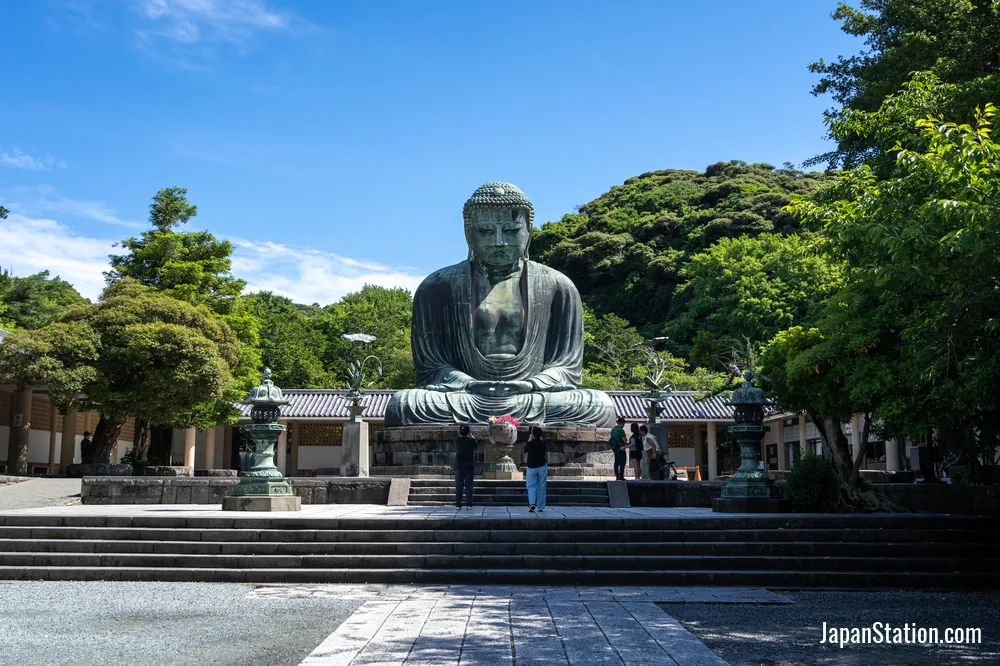
Kamakura is best known for its religious and historical sites. The Great Buddha at Kotoku-in, Tsurugaoka Hachimangu, Hasedera, Kenchoji, Engakuji, Hokokuji, and many other temples and shrines give the city a distinct atmosphere from nearby Yokohama or central Tokyo.
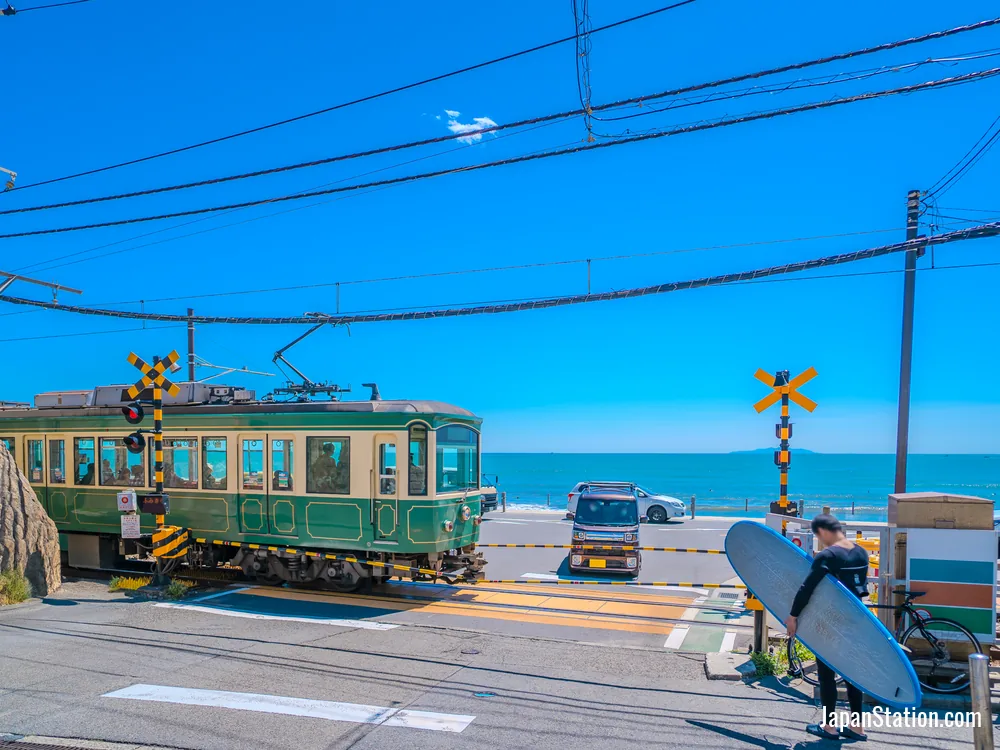
The city also has an important coastal side. Yuigahama, Zaimokuza, Koshigoe, Shichirigahama, and nearby Enoshima make it easy to turn a temple-focused visit into a sea-and-rail itinerary. The Enoden is especially helpful for trips through Hase, Shichirigahama, Enoshima, and Fujisawa.
Great Buddha in Kamakura. Photo by daboost/pixta.
Kamakura Hotels
Main areas
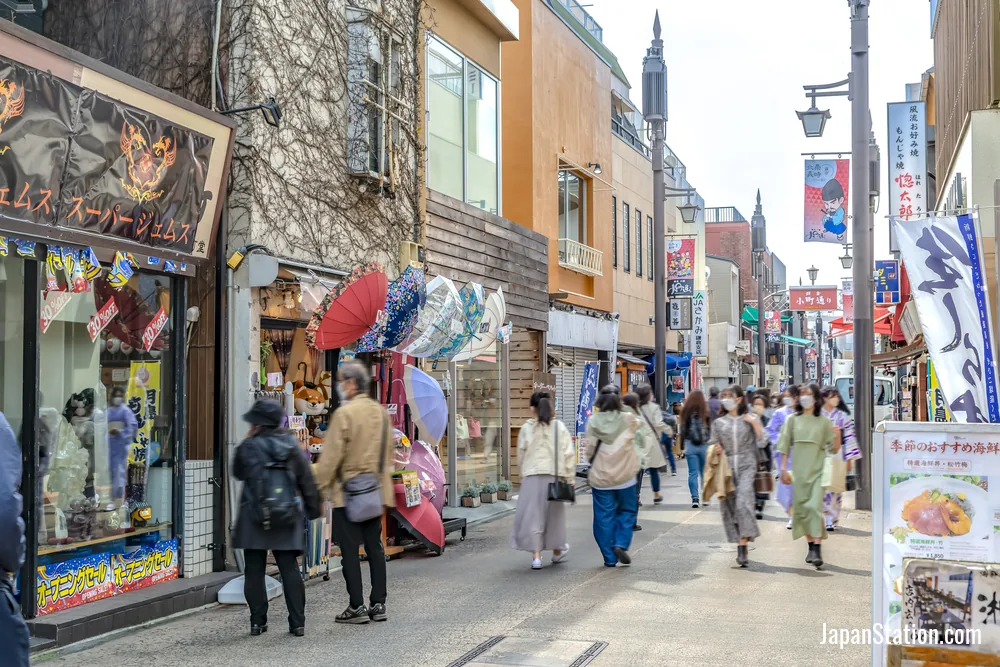
The Kamakura Station area is the easiest place to begin. Komachi-dori, Wakamiya-oji, Tsurugaoka Hachimangu, restaurants, shops, hotels, JR access, and the Enoden terminal are all close together, making it the most convenient choice for central sightseeing and for starting a wider Kamakura day.
Hase and Yuigahama are better for travelers who want to be closer to the Great Buddha, Hasedera, and the beach. Shichirigahama and Koshigoe shift the focus toward the coast, Enoden views, and onward travel toward Enoshima. Kita-Kamakura is better suited to temple walks and a quieter start than to beach access.
Komachi-dori in Kamakura. Photo by node/pixta.
Getting around and onward travel
Kamakura Station is served by the JR Yokosuka Line from Tokyo and Yokohama. Shonan-Shinjuku Line services are also convenient from the Shibuya, Shinjuku, and Ikebukuro side of Tokyo. For Shinkansen connections, travelers usually use Shin-Yokohama or Shinagawa, then continue by JR lines toward Kamakura.
Within the city, JR, the Enoden, buses, taxis, and walking all play a role. The Enoden connects Kamakura with Hase, coastal stops, Enoshima, and Fujisawa, while buses help with areas away from the rail corridor. Roads near popular sights can become congested, so public transport and walking are often the smoother default.
Where to stay and where to go next
Staying near Kamakura Station makes sense for central temples, restaurants, early starts, and easy Enoden transfers. A coastal stay around Shichirigahama is a better fit when beach views, Enoden scenery, and a slower Shonan feel matter more than immediate access to the central temple area.
Kamakura pairs naturally with Enoshima, Yokohama, or a Tokyo-based itinerary. It is very workable as a day trip, but staying overnight makes the visit easier to pace and reduces the need to compress temples, shopping streets, beaches, and the coastal railway into one rushed route.
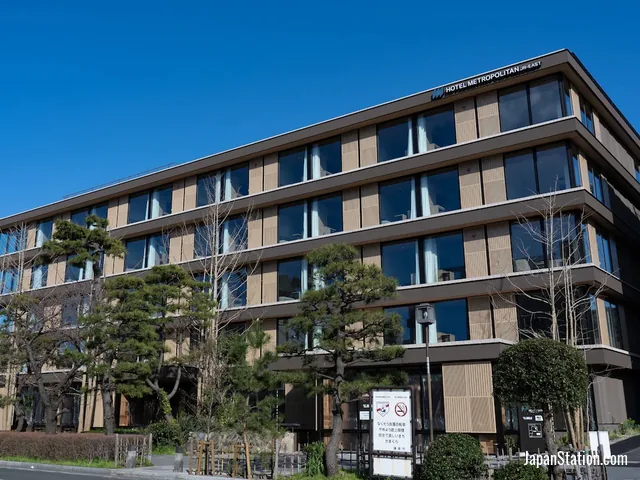
Two minutes from Kamakura Station, Hotel Metropolitan Kamakura puts Komachi Street, Wakamiya-oji, and Enoden day trips within easy reach during a central overnight stay.
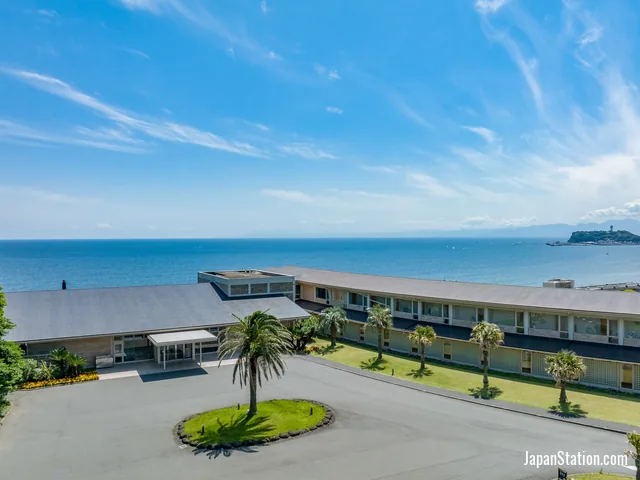
Kamakura Prince Hotel is a hillside coastal hotel above Sagami Bay in Shichirigahama, offering ocean-facing rooms, easy beach time, and convenient Enoden access to central Kamakura.
Where to stay in this city
Compare practical stay areas by transport usefulness rather than by generic sightseeing rank.
Kamakura Station Area divides neatly between Komachi-dori and Tsurugaoka Hachimangu to the east, and Onari-dori and Enoden trains for Hase to the west.
Kamakura Station is the main rail gateway for central Kamakura, linking JR services from Tokyo and Yokohama with Enoden trains toward Hase, Enoshima, and Fujisawa.