Overview
Kumamoto Castle shapes both the city's identity and the way visitors experience it. The castle and downtown arcades form the main sightseeing and evening district, while Kumamoto Station is roughly 2 km southwest and handles Shinkansen arrivals. Trams bridge the gap and continue east to Suizenji Jojuen Garden.
That split affects where you stay.
What the city is known for
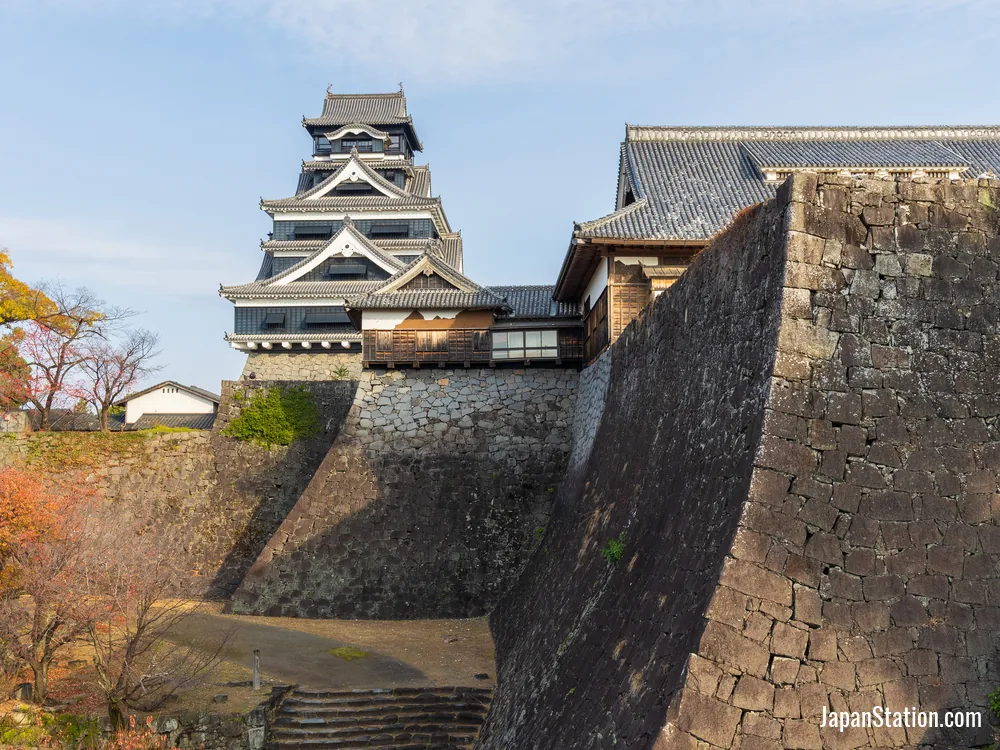
The castle is the obvious first stop. Its main keep has reopened following repairs after the 2016 earthquakes, although restoration work remains visible around parts of the grounds.
East of downtown, Suizenji Jojuen Garden offers a quieter contrast. Its landscape surrounds a pond fed by springs from Mount Aso, part of the groundwater system that also shapes nearby Lake Ezu. Between sights, look for two local specialties: Kumamoto ramen and karashi renkon.
Main areas
Sightseeing, cafes, shopping, and nightlife cluster around the castle and the Shimotori and Kamitori arcades. This is the more engaging side of the city after dark.
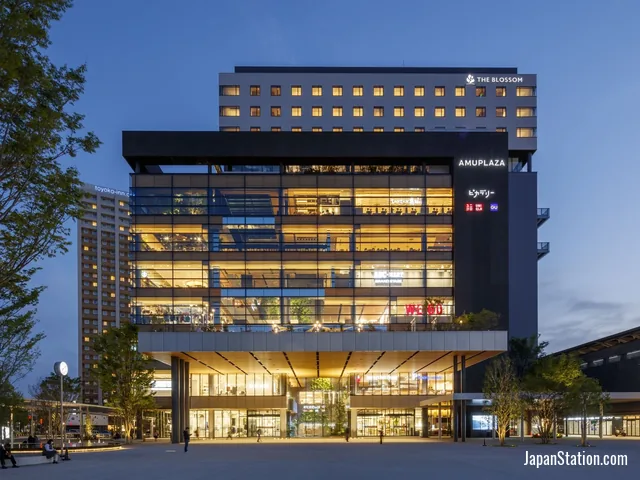
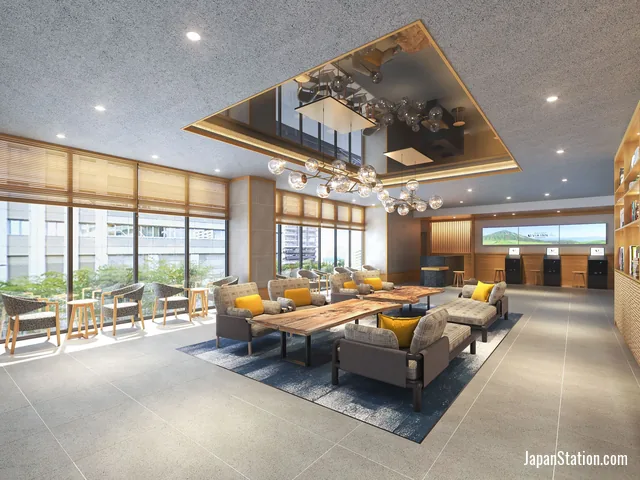
The Kumamoto Station Area is better for early trains, short rail stops, and arrivals with luggage. AMU PLAZA KUMAMOTO brings shopping and dining beside the platforms, while THE BLOSSOM KUMAMOTO occupies the upper floors of the station building.
Suizenji and Lake Ezu form a calmer eastern district for a garden visit, waterside walks, or a slower half-day away from the castle crowds.
Getting around and onward travel
The city tram is the key to sightseeing without a car. It links Kumamoto Station with the castle, downtown arcades, and Suizenji Jojuen Garden, placing most first-time itineraries along one east-west route.
Kyushu Shinkansen trains run north toward Hakata and south toward Kagoshima-Chuo. Aso Kumamoto Airport has no direct rail link to the city, but airport buses serve both Kumamoto Station and Sakuramachi Bus Terminal. The latter is handier for the castle and downtown.
Where to stay and where to go next
An early train or a one-night rail stop favors the station area. For a longer stay focused on the castle, arcades, and dinner, staying downtown reduces the need for tram and taxi trips.
Hakata and Kagoshima-Chuo are straightforward onward journeys by Shinkansen. Aso lies east of the city, but you'll want to check the day's rail or bus timetable before treating it as an unplanned side trip.
Good to know
Kumamoto Station is not downtown. If you arrive by Shinkansen, don't expect the castle or the main evening streets to be immediately outside the gates.