Overview
The blocks around Hakodate Station bring rail arrivals, airport buses, streetcars, hotels, and the morning market into one compact part of central Hakodate. Staying here simplifies the first and last legs of a trip, especially when you're carrying luggage or planning an early departure.
This isn't the city's most atmospheric neighborhood. Motomachi and the waterfront are better for historic streets and evening walks, while the station side trades that scenery for quicker starts and fewer local connections.
What the area is known for
An early seafood breakfast is one of the area's highlights. Hakodate Morning Market is one minute from the station on foot, so you can visit before checkout or a train without crossing the city first.
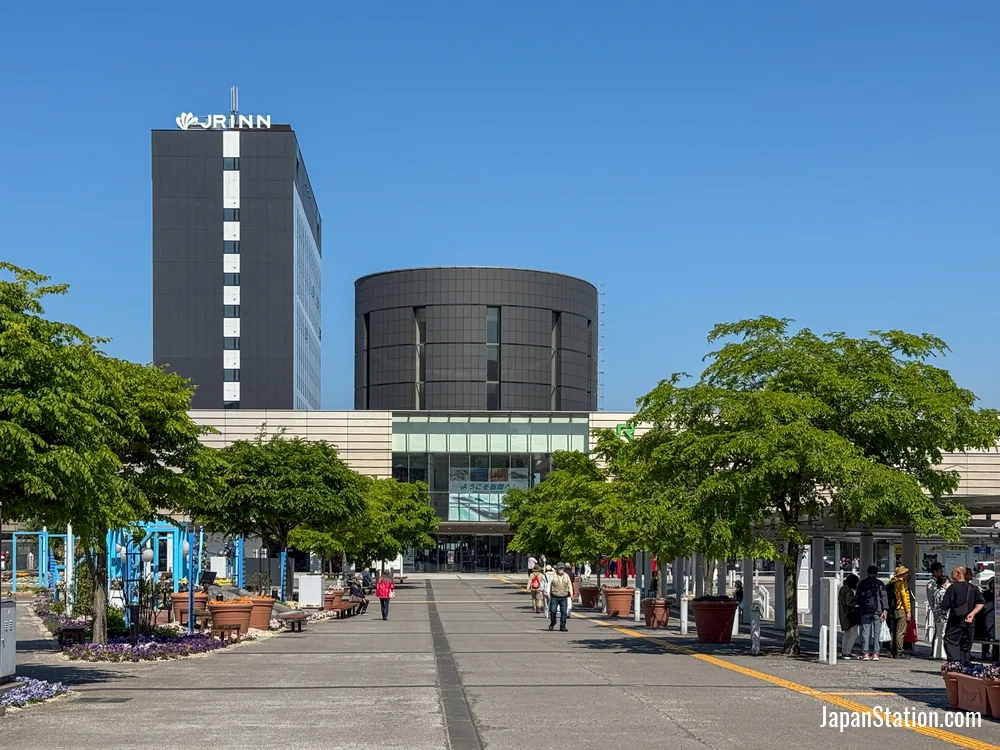
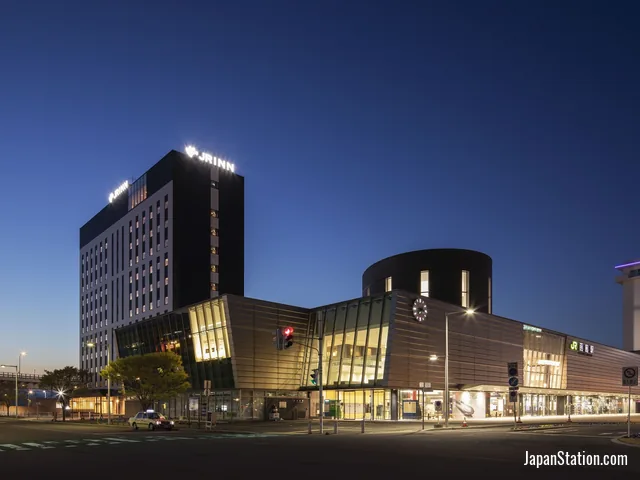
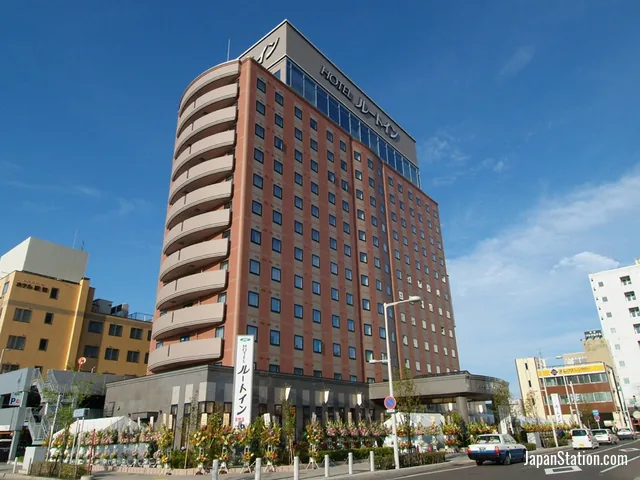
Hotels cluster around the station and market. JR Inn Hakodate is beside the station's North Exit for travelers who want to minimize the distance from the platforms, while other hotels extend toward the market and the road leading to the waterfront.
Stations and access
Shinkansen trains don't enter central Hakodate. They use Shin-Hakodate-Hokuto Station, with Hakodate Liner trains covering the remaining journey to Hakodate Station in 15 to 22 minutes. That transfer needs to be part of any long-distance rail itinerary.
For sightseeing within the city, streetcars from Hakodate Ekimae serve Motomachi, the Bay Area, Goryokaku, and Yunokawa. Direct buses also connect Hakodate Airport with the station area; there is no airport rail line.
Where it fits in a trip
First and final nights are the clearest fit, particularly when a Shinkansen transfer, a flight, or an early market breakfast sets the schedule. The area also works for a short stay built around streetcar sightseeing, since the transport stops are close at the start and end of the day.
For evenings focused on harbor walks or historic streets, staying closer to the Bay Area or Motomachi puts more of Hakodate's character outside the hotel door. The station district is simpler when timing and luggage matter more.
Good to know
Hakodate Morning Market starts early, but individual shops keep different hours. Plan a visit for breakfast or lunch rather than assuming every stall and restaurant will remain open later in the day.