Overview
Many travelers first encounter Nagoya from a Shinkansen platform. Its position between Tokyo, Kyoto, and Osaka on the Tokaido Shinkansen makes it a convenient place to change trains or break a journey, but staying overnight reveals a far more substantial city.
As Aichi's main city and a major transport hub in central Japan, Nagoya has a role well beyond its rail connections. Castle history, industrial heritage, major museums, shopping districts, and Nagoya Meshi provide plenty of reasons to leave Nagoya Station and explore.
What the city is known for
Nagoya Castle is the main historical landmark, closely associated with Tokugawa Ieyasu and known for its golden shachihoko and reconstructed Hommaru Palace. Atsuta Jingu and the Tokugawa Art Museum add depth for anyone interested in samurai-era history rather than a brief castle visit.
Industry matters just as much to the city's identity. The Toyota Commemorative Museum of Industry and Technology presents the region's manufacturing history in an accessible way, while SCMAGLEV and Railway Park is a natural addition to a trip already shaped around trains.
Then there's the food. Nagoya Meshi includes local specialties such as hitsumabushi, miso-katsu, and tebasaki, so it's worth planning at least one meal around the city's flavors instead of treating dinner as an afterthought.
Main areas
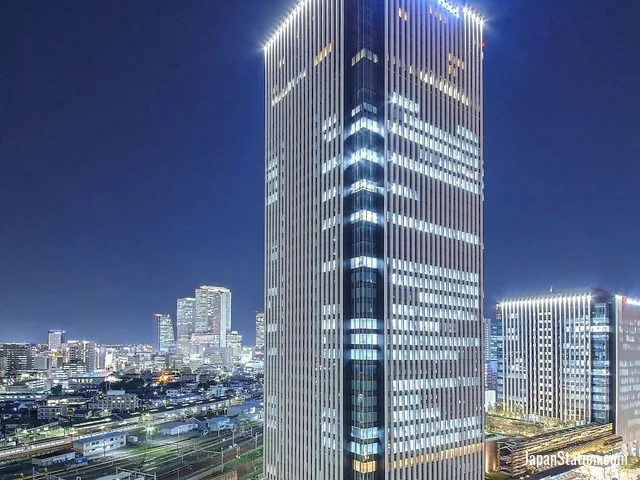
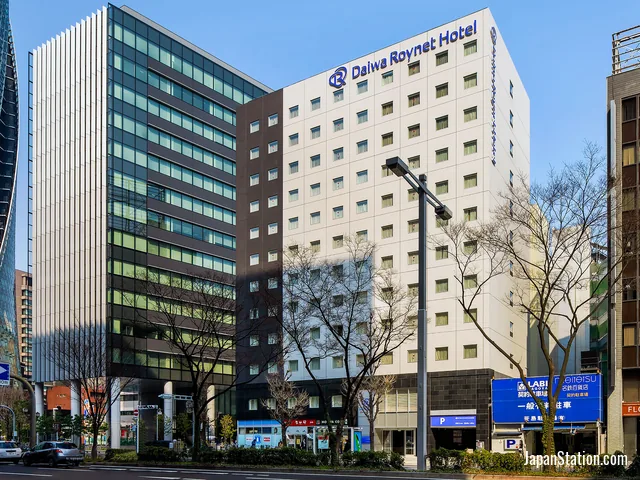
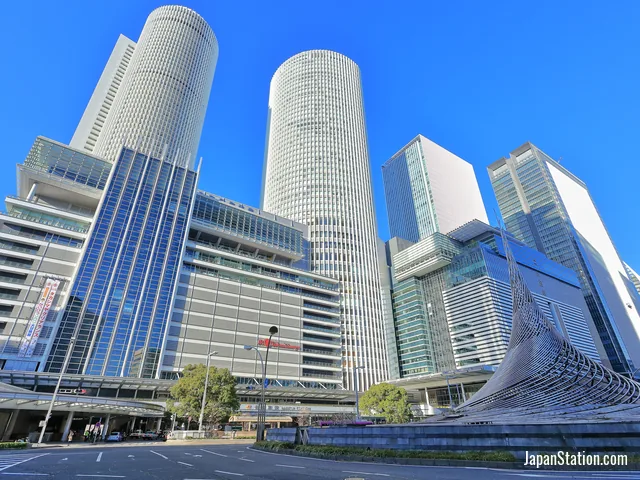
The Nagoya Station Area is the easiest place to stay when timing matters. Rail transfers are straightforward, and the surrounding towers contain department stores, underground shopping, and numerous hotels. Daiwa Roynet Hotel Nagoya Ekimae and SONO Moon Nagoya keep most travel logistics close to the station.
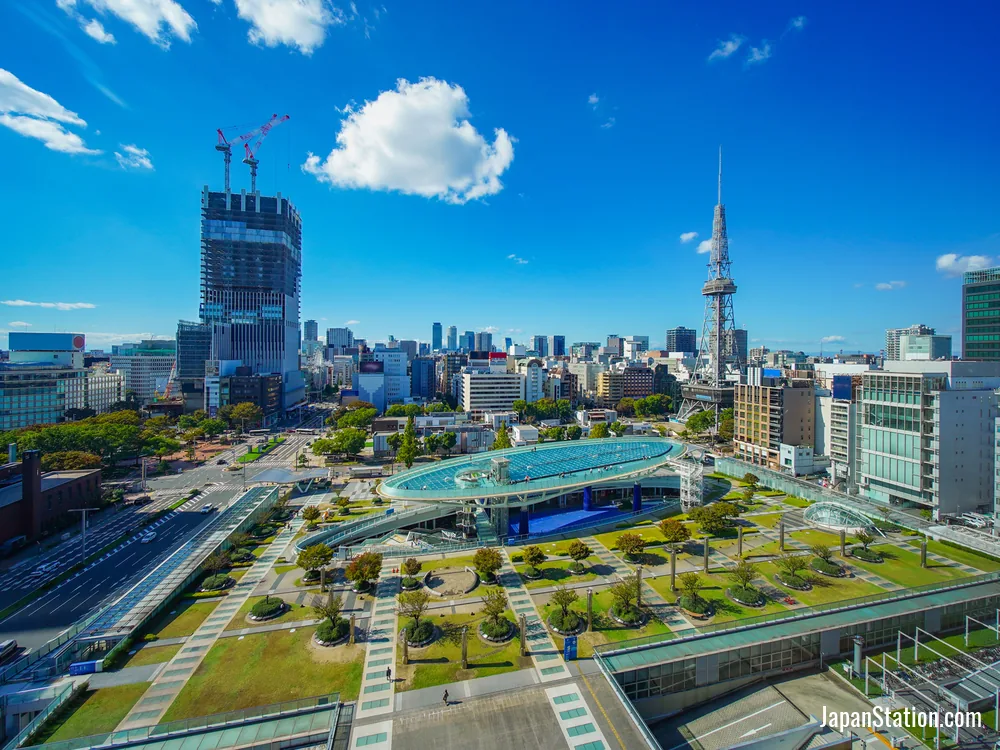
Sakae and Fushimi feel more like Nagoya's everyday city center. They make more sense when restaurants, shopping, museums, and evenings out matter more than quick access to the Shinkansen gates. Osu adds shopping arcades, temples, and casual food, while Kanayama provides another well-connected district for stays and transfers.
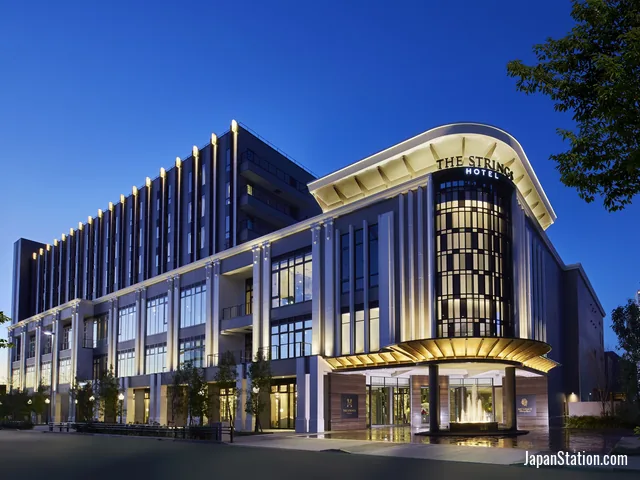
Nagoya-Sasashima Live is just south of the main station area. Consider it for visits centered on Global Gate, events, Aonami Line trips, or hotels such as Nagoya Prince Hotel Sky Tower and The Strings Hotel Nagoya. The tradeoff is clear: you're close to Nagoya Station but outside its busiest passenger flow.
Getting around and onward travel
Nagoya's transport network is one of its major strengths. JR Central serves the main station with the Tokaido Shinkansen, while Meitetsu connects the Nagoya side with Central Japan International Airport in as little as 28 minutes on the fastest airport train.
The station district is large, so check which operator you need before setting out. Meitetsu handles airport rail, Kintetsu serves private-rail routes, the subway covers journeys across the city, and the Aonami Line is handy for Sasashima and port-side plans.
For sightseeing, the subway and Sightseeing Route Bus Me-guru connect the major stops. Use them for days covering the castle, Sakae, museums, or Osu rather than assuming every major sight is within walking distance of one hotel.
Where to stay and where to go next
Stay near Nagoya Station when Shinkansen timing, Centrair airport trains, luggage, or onward travel shapes the itinerary. It's the simplest option for a first night, a short overnight stop, or a train-centered route through central Japan.
Sakae, Fushimi, Osu, and Kanayama place more of the city experience around you. They require a little more local transport planning, but food, shopping, and evenings out feel less like excursions from the rail hub.
Sasashima Live deserves consideration when Global Gate, event venues, Aonami Line travel, or a newer hotel district takes priority. Beyond the city, Nagoya connects naturally with the Tokaido Shinkansen corridor, side trips in Aichi and Gifu, and departures from Centrair. The right district depends on which of those plans matters most.