Overview
Arriving by Shinkansen puts you on the eastern side of central Fukuoka. Fukuoka-Hakata spreads around Hakata Station, from the hotels and offices beside the tracks to Hakata Old Town's temple streets farther west.
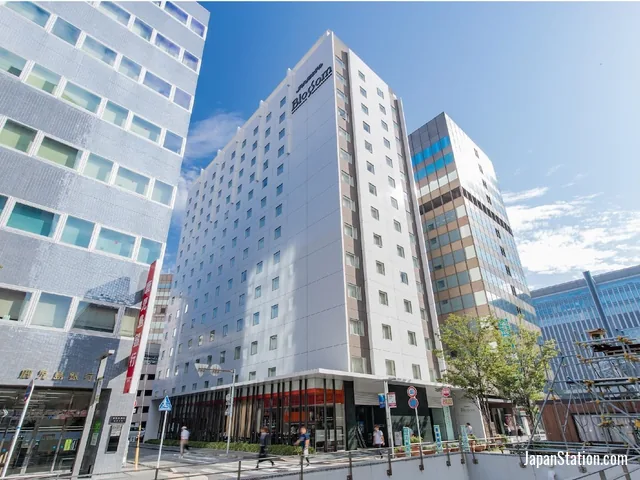
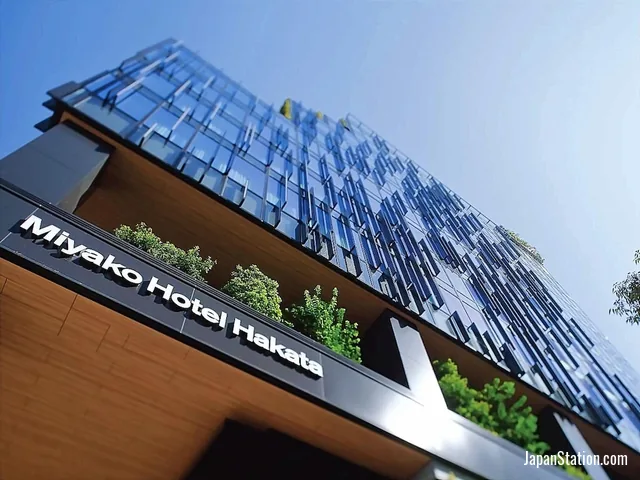
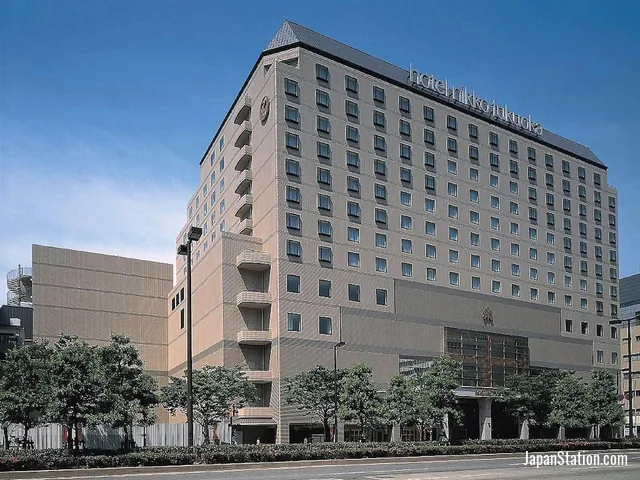
Hotels cluster on both sides of the station, and the domestic airport terminal is about five minutes away by subway. Stay here when train schedules and onward travel shape the trip. Fukuoka-Tenjin has the broader nightlife and department-store scene.
What the area is known for
The station frontage is modern and busy, with office towers, hotels, and the bus terminal filling the blocks nearest the tracks. Walk west toward Gion and the atmosphere changes: older streets, temples, and shrines reflect Hakata's history as a port and trading center.
Hakata Old Town extends along the Taihaku Street side between the station and the port. Temple grounds, traditional crafts, and historic streets give it a calmer pace than the rail complex.
Main places
JR Hakata City wraps shopping and dining around the station. AMU Plaza Hakata and Hakata Hankyu cover most shopping needs, while the rooftop garden offers a break from the concourses. Even a short stop can be worthwhile without crossing town.
About ten minutes on foot from Hakata Station, Hakata Sennen-no-Mon marks an approach to the old town. The temple district continues toward Gion Station, a better starting point when the day's plans focus on the historic streets rather than the rail complex.
Stations and access
Hakata Station handles Fukuoka's long-distance trains. The Sanyo Shinkansen runs toward western Honshu, while the Kyushu Shinkansen continues south. JR Kyushu regional trains and the Airport and Nanakuma subway lines also meet here.
Airport Line trains reach the airport in about five minutes. Both subway lines also run toward the Tenjin side of the city, while Hakata Bus Terminal beside the Hakata Exit serves city and highway buses. For an old-town walk, Gion Station is one stop from Hakata on the Airport Line and can save some backtracking.
Where it fits in a trip
An early Shinkansen, a short first or final night, or several rail day trips all favor Hakata. The concentration of hotels around the station also helps when you're carrying luggage or transferring between flights and trains.
There are plenty of restaurants and shops around Hakata Station. For nightlife, bars, and late-evening browsing in the surrounding streets, Tenjin and Daimyo offer more.
Good to know
Check which side of Hakata Station your hotel is on. The Hakata Exit faces the bus terminal and old-town side; the Chikushi Exit is closer to the east-side hotel cluster and the Shinkansen side of the complex.
The airport terminal matters. The subway station connects directly to the domestic terminal, but international passengers need the free inter-terminal shuttle to reach it. A direct bus to Hakata is the alternative. Allow extra time for that step when traveling with luggage.