Across Tokyo's west side, Shinjuku brings extensive rail connections together with department stores, office towers, nightlife, parks, hotels, and highway buses.
Few Tokyo districts change character as sharply from one station exit to the next. Centered on Shinjuku Station, Shinjuku combines extensive rail and subway connections with major shopping areas, nightlife, offices, hotels, and pockets of green space.
It is energetic and highly practical, but also large and varied. Planning by station side makes all the difference.
What the area is known for
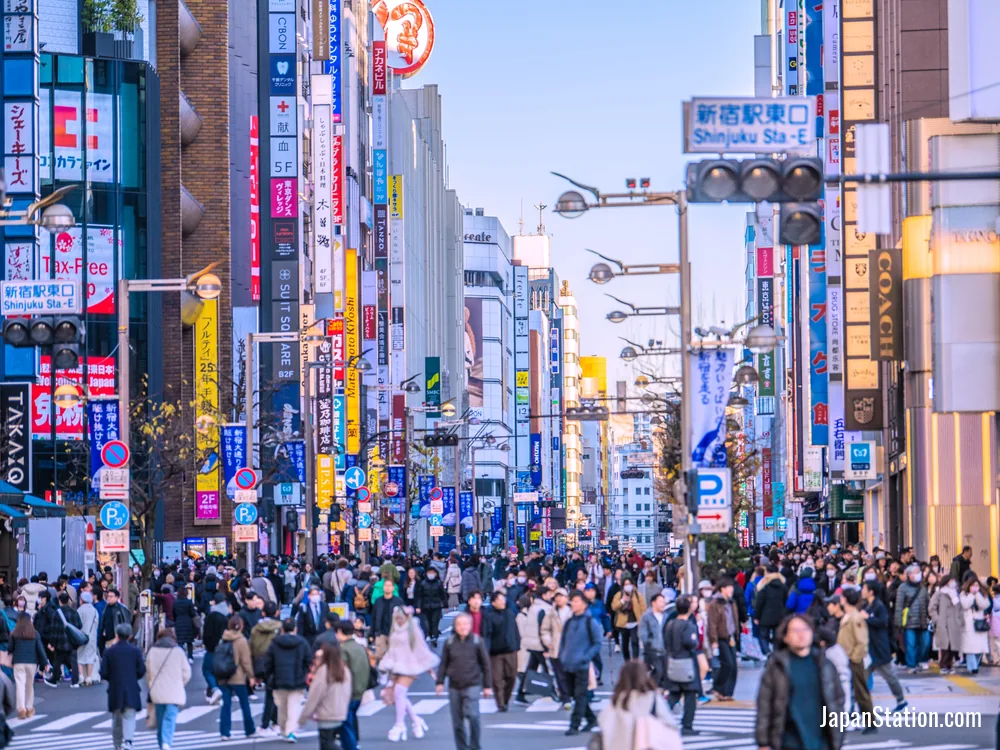
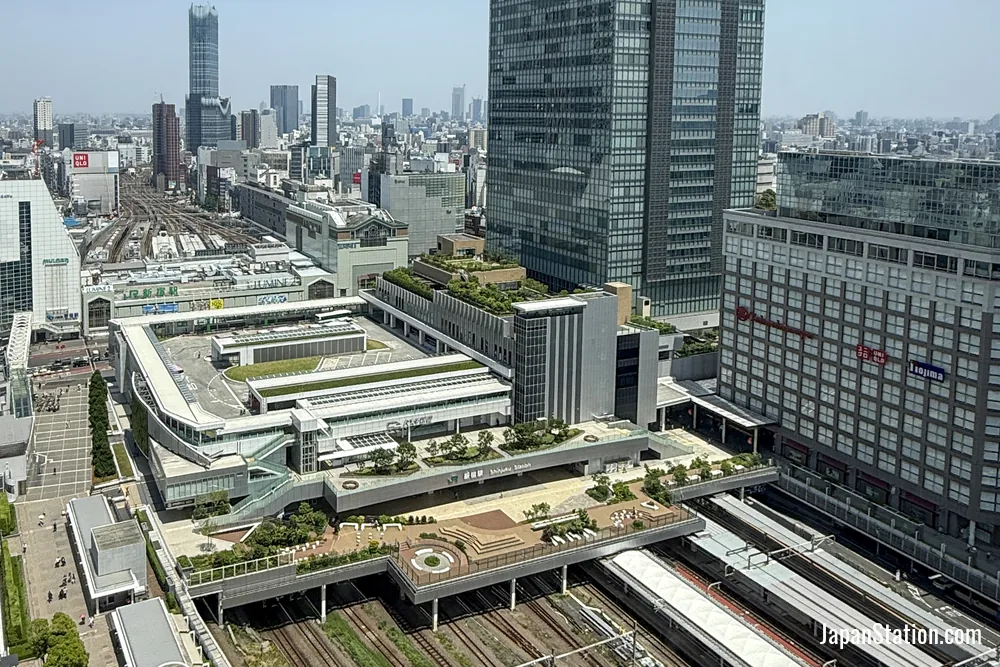
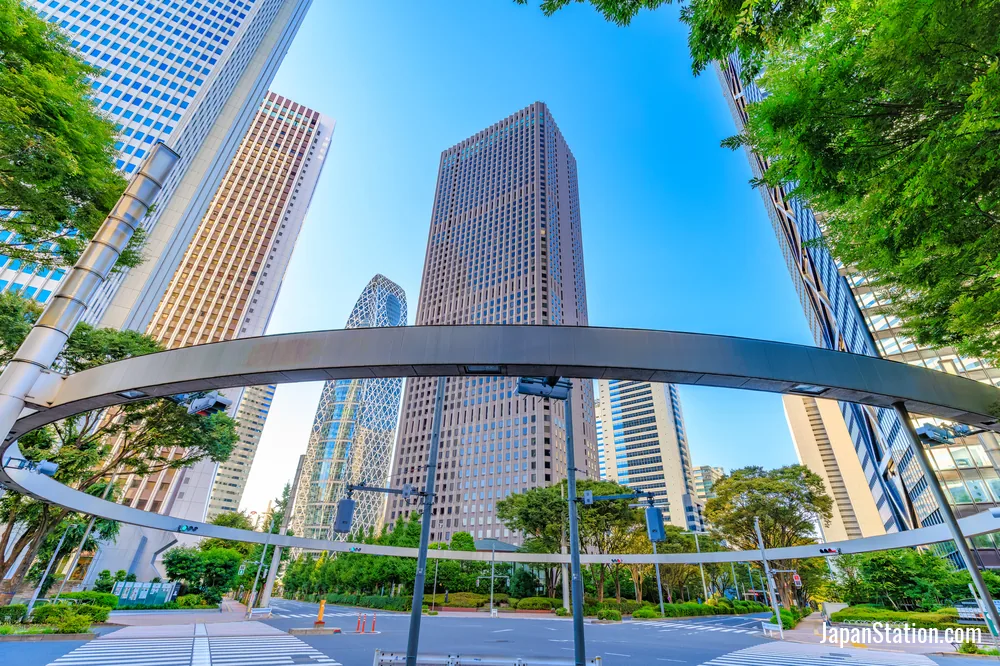
East of the station are department stores, restaurants, entertainment venues, and the nightlife streets of Kabukicho. To the west, Nishi-Shinjuku is defined by office towers, large hotels, and the Tokyo Metropolitan Government Building. The south side leads to newer shopping complexes and the Shinjuku Expressway Bus Terminal.
There are quieter corners too. Shinjuku Gyoen National Garden provides a spacious green retreat within easy reach of the station, giving the district a daytime sightseeing option alongside its late-night attractions.
Tokyo-Shinjuku Hotels
Main places
The station area contains major department stores including Isetan, Keio, Odakyu, and Takashimaya. Electronics stores, food halls, restaurants, bars, and hotels broaden the choice around them.
Kabukicho is the best-known nightlife district, while Nishi-Shinjuku is the main high-rise business area. On the south side, Shinjuku Expressway Bus Terminal is an important departure point for highway coaches.
Stations and access
Shinjuku Station brings together JR lines, Keio, Odakyu, the Tokyo Metro Marunouchi Line, the Toei Shinjuku Line, and the Toei Oedo Line. Nearby Seibu-Shinjuku and Shinjuku-nishiguchi stations, along with Shinjuku-sanchome, serve other parts of the wider district. The best station or exit depends on where you're going.
For travel within Tokyo, Shinjuku is particularly convenient for west-side routes, Yamanote Line trips toward Shibuya and Ikebukuro, and Chuo Line services toward central Tokyo. The bus terminal adds an option for longer coach journeys, although some Shinjuku hotels are much better positioned for departures than others.
Where it fits in a trip
Shinjuku brings transport, shopping, dining, nightlife, and a broad range of hotels into one active district. It can suit a first Tokyo stay focused on the west side, including Shibuya, Harajuku, Ikebukuro, and Yoyogi, especially when late dining near the hotel matters.
Travelers seeking calmer streets, a simpler station layout, or easier early departures on long-distance trains may prefer another neighborhood. Here, the side of the station matters as much as the name Shinjuku.
Good to know
Shinjuku Station is large enough that exits require advance thought. Its east, west, and south sides can feel like separate districts, and leaving from the wrong side may add time, especially with luggage. Match your hotel, restaurant, bus gate, or meeting point to the correct exit before setting out.
Photos
New South Gate area in Shinjuku. Photo by Angkana Unthaya.Nishi-Shinjuku skyscrapers. Photo by yama1221/pixta.
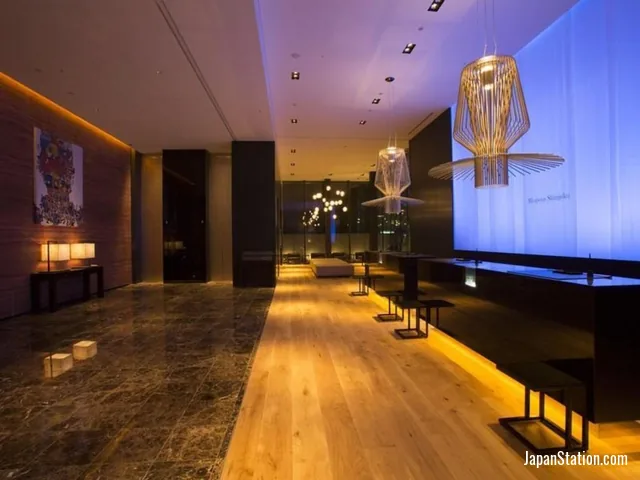
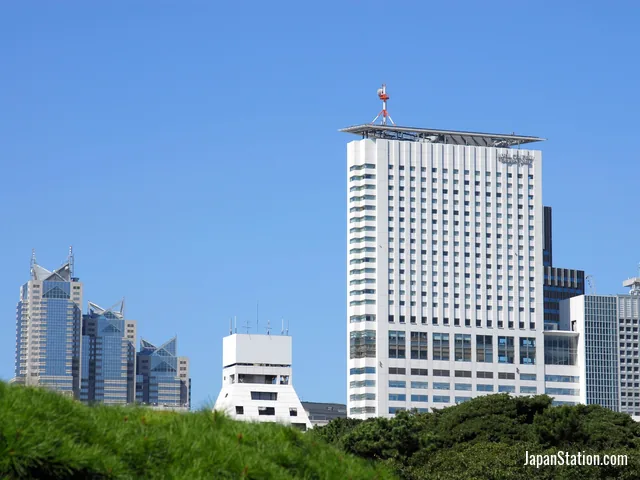
Hotel Century Southern Tower is a high-floor hotel three minutes from Shinjuku Station and Busta Shinjuku, well suited to travelers who want rail links, airport buses, and a calmer south-side setting.
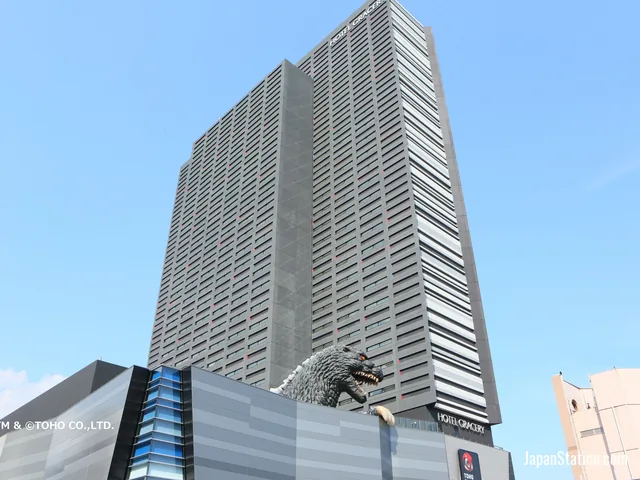
Hotel Gracery Shinjuku occupies Kabukicho's landmark Godzilla building, close to Shinjuku's JR network and the Seibu line, with late-night restaurants, cinemas, and entertainment outside.
Main stations and access logic
Use these station links to understand how the area works for movement.
Shinjuku Station is the western Tokyo hub to choose for JR-heavy itineraries, airport or highway-bus travel, shopping and nightlife, provided you pick the right side for your hotel and plans.
Shinjuku-sanchome Station brings three subway lines to Shinjuku's east side, close to major shopping, dining, nightlife, and the streets leading toward Shinjuku Gyoen.