Overview
Baseball and port history meet here. Yokohama-Kannai covers the central streets between Kannai Station and Nihon-odori Station. Yokohama Stadium and BASEGATE Yokohama Kannai mark the JR and subway side, while the civic streets around Nihon Odori lead toward Osanbashi and the waterfront.
This isn't Yokohama's main rail hub or its skyline district. Instead, it offers a more grounded city stay where a baseball game, a Chinatown meal, and a walk through the old port can fit into one day without returning to Yokohama Station between them.
What the area is known for
Kannai changes character from block to block. Yokohama Stadium draws event crowds to the south side, while Bashamichi and Nihon Odori retain more of the district's port-era street pattern and civic architecture. Chinatown forms a dense dining district on the eastern side.
The atmosphere is firmly urban. Government offices and everyday businesses share the streets with restaurants, older facades, and routes toward the bay.
Main places
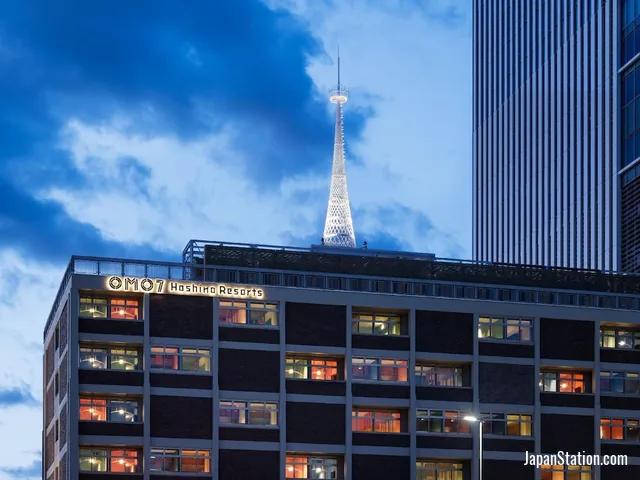
Yokohama Park surrounds Yokohama Stadium beside Kannai Station. Across from the station, BASEGATE Yokohama Kannai opened in March 2026 on the former city hall site. The complex brings OMO7 Yokohama by Hoshino Resorts, restaurants, and entertainment to the stadium side.
For the old port, continue east through Nihon Odori. Osanbashi is about seven minutes from Nihon-odori Station or 15 minutes from Kannai on foot. Chinatown and Yamashita Park also fit naturally into this side of the district, with the Red Brick Warehouse farther along the waterfront.
Stations and access
Kannai Station combines JR Keihin-Tohoku and Negishi Line trains with the Yokohama Municipal Subway Blue Line. JR provides the straightforward route to Yokohama Station, while the Blue Line runs directly to Shin-Yokohama Station for Tokaido Shinkansen transfers.
Nihon-odori Station is on the Minatomirai Line. It's the closer stop for Osanbashi and the port-facing civic district, with trains toward Yokohama, Minato Mirai, Bashamichi, and Motomachi-Chukagai.
Where it fits in a trip
Staying here keeps stadium events, Chinatown dining, and port-history walks close together. OMO7 Yokohama by Hoshino Resorts is one minute from JR Kannai and about two minutes from the subway, so an overnight stay doesn't add a long approach to the district.
Compare Kannai with Yokohama Station Area when broad rail transfers, Haneda Airport access, department stores, or easier luggage handling matter more. For skyline hotels and uninterrupted bay views, stay in Minato Mirai.
Good to know
Kannai and Nihon-odori serve nearby but distinct parts of the district. Check the closest station and exit when you're carrying luggage, heading to a restaurant reservation, or attending an event.
Streets around Yokohama Stadium become busier before and after games. Neither station has direct airport service, so airport trips normally require a connection through Yokohama Station. For Shinkansen trains, the Blue Line provides a direct link to Shin-Yokohama.