Overview
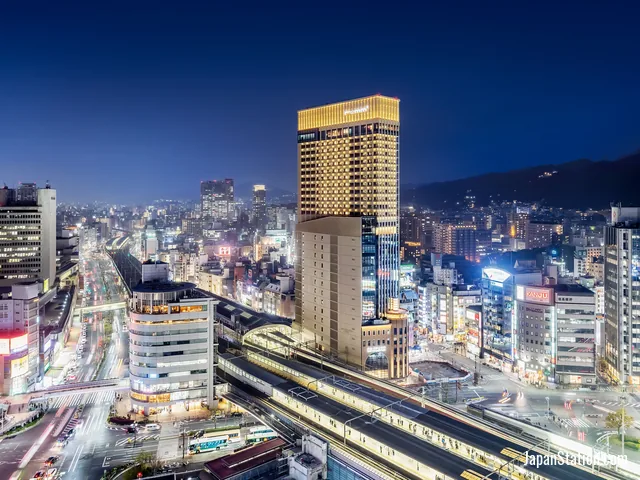
Central Kobe's railways converge around Sannomiya, but not within a single shared station. JR Sannomiya, the Hankyu and Hanshin railways, the municipal subway, and the Port Liner are grouped closely together in the downtown core. They do not share ticket gates.
For most city stays, this cluster is more convenient than the Shinkansen platforms at Shin-Kobe Station. The Kobe-Sannomiya district puts hotels, shopping streets, and evening dining beside the widest choice of local transport. Shin-Kobe is one subway stop north.
Lines and connections
JR Sannomiya is on the JR Kobe Line and provides a straightforward route east toward Osaka or west toward Himeji. Hankyu and Hanshin both use the name Kobe-Sannomiya, but they occupy separate stations. Hankyu trains run toward Osaka-Umeda and connect west through the Kobe Kosoku network. Hanshin offers another route to Osaka, including services toward Osaka-Namba, along with connections toward western Hyogo.
The Seishin-Yamate subway line provides the key short transfer for long-distance travelers. Shin-Kobe is the next stop north, so passengers arriving by Shinkansen can reach central Kobe without taking a taxi. In the other direction, the subway continues through western parts of the city.
The Kaigan Line uses the separate Sannomiya-Hanadokeimae stop on the south side of the cluster. It serves the Former Foreign Settlement side of central Kobe before continuing toward Harborland. The Port Liner has its own platforms and runs south through Port Island to Kobe Airport.
Airport access
Port Liner trains run directly from Sannomiya to Kobe Airport in about 18 minutes. It's the simplest airport connection from central Kobe, especially when combining a flight with a downtown hotel or onward travel by JR, Hankyu, Hanshin, or subway. Check the destination display because some Port Liner services follow other routes around Port Island.
Direct airport limousine buses also connect Sannomiya with Kansai International Airport and Osaka Itami Airport. Published journeys are roughly 65 to 75 minutes for Kansai and about 40 minutes for Itami, although road traffic can affect both. Confirm the current stop and timetable before planning a tight flight connection.
Station area
The station district spreads across several buildings and levels. JR has east, central, and west gates, while Hankyu has separate east and west gates. Hanshin and the subway are below ground, and the Port Liner is elevated on the east side. Transfers are walkable, but they aren't same-platform changes.
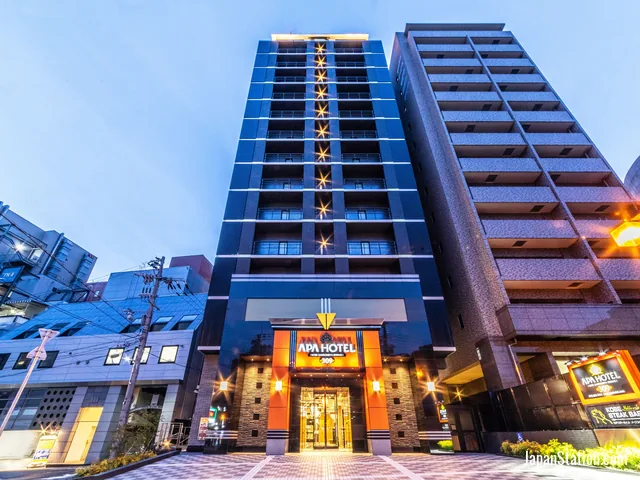
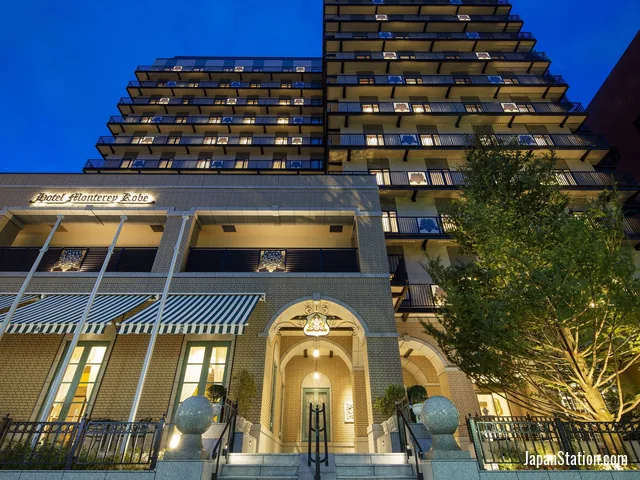
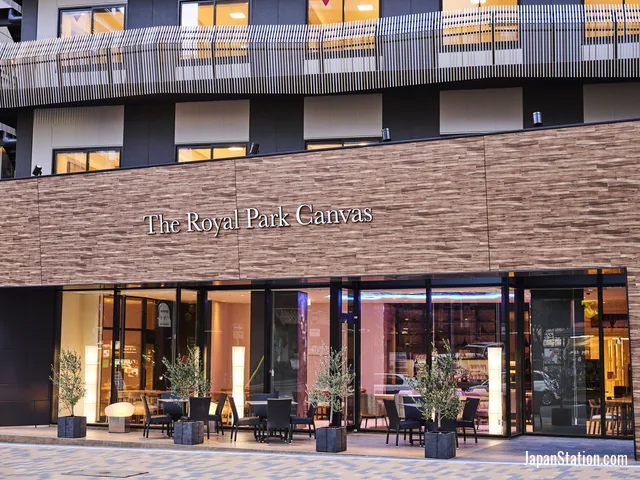
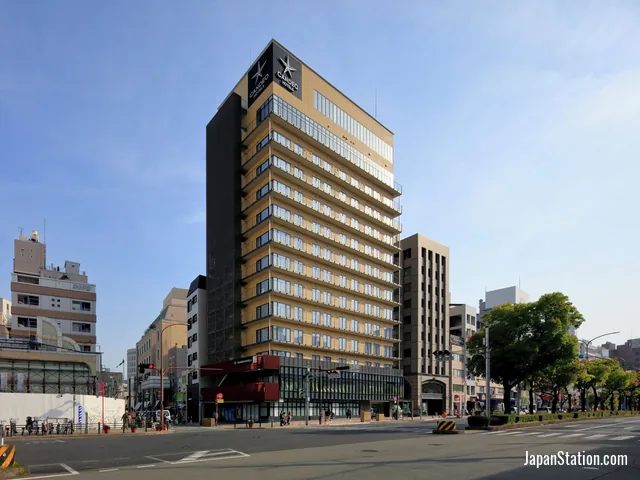
Hotel directions are often more helpful than the nearest generic Sannomiya marker. remm plus Kobe Sannomiya, for example, has indoor links from Hankyu's east gate and JR's west side. Underground passages and the Santica shopping area offer some shelter, though the best route still depends on the operator and exit.
What's nearby
Kobe Sannomiya Center Gai begins a short walk south of the railways and runs west through the downtown shopping district. Restaurants and bars fill the surrounding streets, so returning after a day out doesn't require another train ride.
To the west, the city shifts into Motomachi, Chinatown, and the Former Foreign Settlement. Kitano lies uphill to the north, while Meriken Park and Harborland are farther toward the waterfront. Sannomiya stands between these areas rather than directly beside all of them. That makes it a convenient starting point, but not the closest stop for every sight.
Good to know
Sannomiya and Shin-Kobe aren't two names for the same rail complex. Use Shin-Kobe for the Sanyo Shinkansen, then take the subway one stop to Sannomiya for most local railways, the Port Liner, downtown hotels, and evening dining.
Before arriving with luggage, check both the operator and the exit named in your hotel or meeting instructions. JR signs say Sannomiya, Hankyu and Hanshin signs say Kobe-Sannomiya, and the Kaigan Line uses Sannomiya-Hanadokeimae. Allow a few extra minutes when changing between them.