Overview
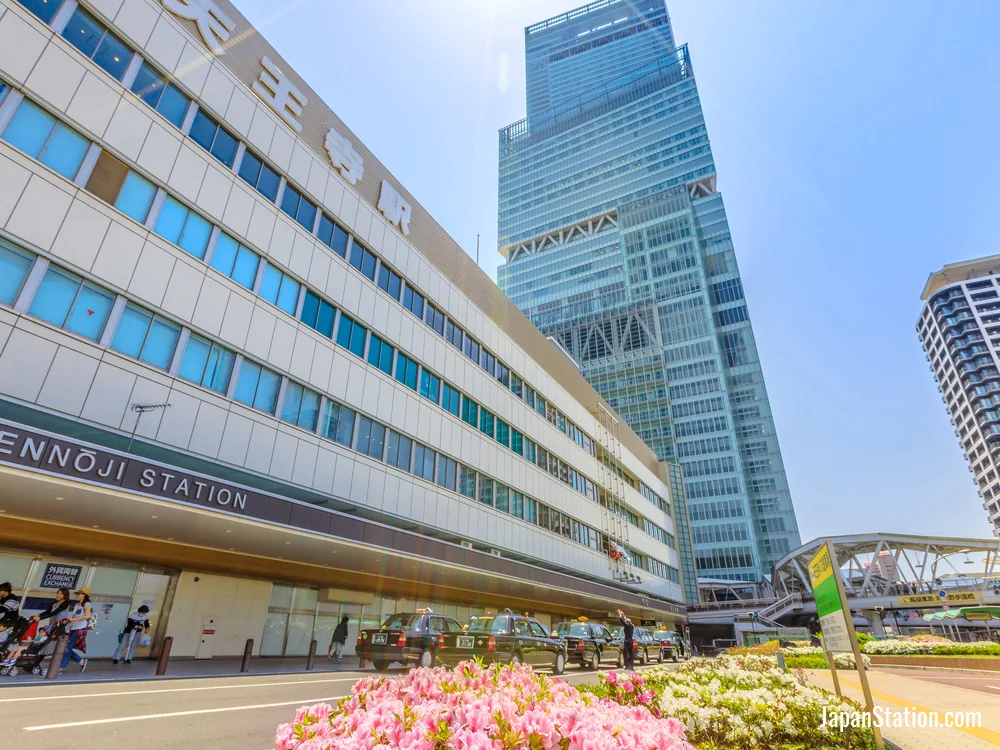
Tennoji and Osaka-Abenobashi occupy the same busy corner of southern Osaka, but they don't share one set of gates. JR West and Osaka Metro serve Tennoji, while Kintetsu trains use Osaka-Abenobashi beneath Abeno Harukas. Together, the stations anchor Osaka Tennoji-Abeno. That distinction matters when you're changing trains.
This rail cluster is especially relevant when Kansai Airport or destinations south of Osaka shape the itinerary. Direct airport trains stop at JR Tennoji, the Midosuji Line crosses central Osaka, and Kintetsu services leave Osaka-Abenobashi for Yoshino. Namba is closer to Minami nightlife, while Shin-Osaka avoids a subway ride before an early Shinkansen departure.
Lines and connections
JR services cover several distinct journeys. The Osaka Loop Line connects Tennoji with Osaka Station and other stops around the loop. Yamatoji Line trains head toward Nara, while the Hanwa Line carries services toward Kansai Airport and Wakayama.
For many visitors, the Midosuji Line is the most helpful subway route. It runs directly through Namba, Shinsaibashi, Umeda, and Shin-Osaka, covering many central Osaka trips without a transfer. The Tanimachi Line provides another route through the city.
At Osaka-Abenobashi, the Kintetsu Minami Osaka Line heads into southern Nara Prefecture, including limited-express services to Yoshino. Its platforms are separate from JR and Osaka Metro, even though the two stations stand beside each other.
Airport access
The Haruka limited express and Kansai-Airport Rapid both run directly between Tennoji and Kansai International Airport. Haruka requires a limited-express ticket in addition to the basic fare. When taking an airport-bound Kansai-Airport Rapid, use one of the first four cars because the train divides at Hineno.
Osaka Itami Airport requires a different route. Limousine buses connect the airport with Abenobashi and Tennoji in about 30 minutes under normal traffic conditions. Check the current stop and timetable before departure.
Station area
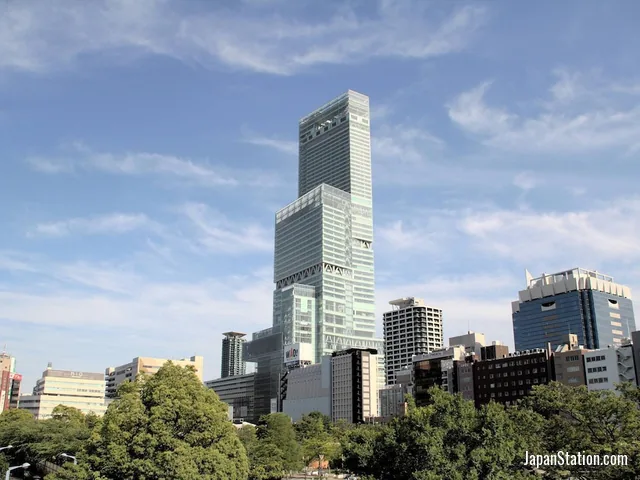
Abeno Harukas clearly marks the Kintetsu side. The 60-story complex rises directly above Osaka-Abenobashi and contains a department store, an art museum, the Harukas 300 observation deck, and Osaka Marriott Miyako Hotel.
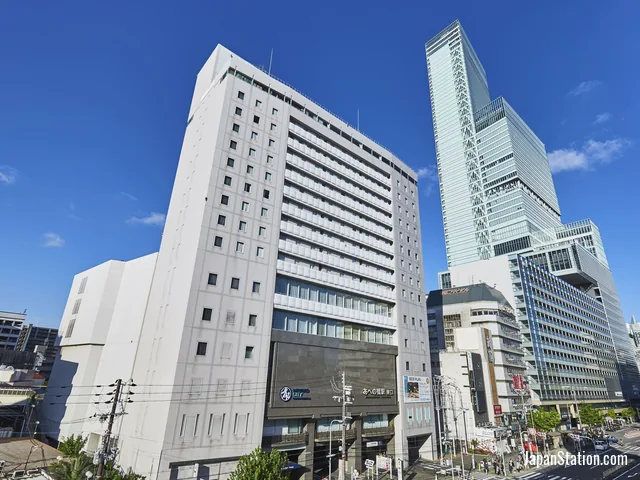
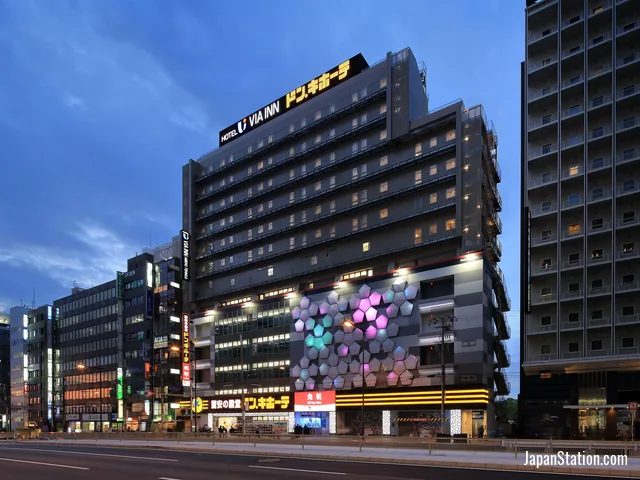
Hotels extend across the rail cluster. Miyako City Osaka Tennoji is about one minute from JR Tennoji's East Gate, while the Marriott occupies the upper floors of Abeno Harukas. If you're carrying luggage, choosing the correct side can prevent an unnecessary walk through the surrounding streets and concourses.
What's nearby
Tenshiba, a lawn and restaurant area at the entrance to Tennoji Park, is a short walk from both stations. Tennoji Zoo and the Osaka City Museum of Fine Arts lie beyond it, giving the Tennoji side a greener, more open feel than the high-rise shopping streets around Abeno Harukas.
For stays centered on southern Osaka, airport rail, or a Kintetsu trip to Yoshino, the district keeps several important journeys close together. Compare it with Namba Station for Minami nightlife or Osaka Station / Umeda for northern Osaka rail connections and shopping.
Good to know
Leave time when changing operators. Kintetsu's transfer guide estimates about five to seven minutes from the center of its platforms to the nearest JR or Osaka Metro gate. Before choosing an exit or meeting point, confirm whether your train uses JR, Osaka Metro, or Kintetsu.
Shinkansen trains don't stop here. The Midosuji Line runs directly to Shin-Osaka Station, but staying closer to Shin-Osaka may be easier when you have a very early bullet train.