Overview
Food, shopping, nightlife, parks, and extensive rail connections make Osaka one of Kansai's major urban destinations. It's easier to understand through its station districts than as a city with a single center. Osaka-Namba anchors much of Minami, Osaka-Umeda is the northern rail and shopping hub, and Shin-Osaka Station Area connects the city with the Shinkansen network.
What the city is known for
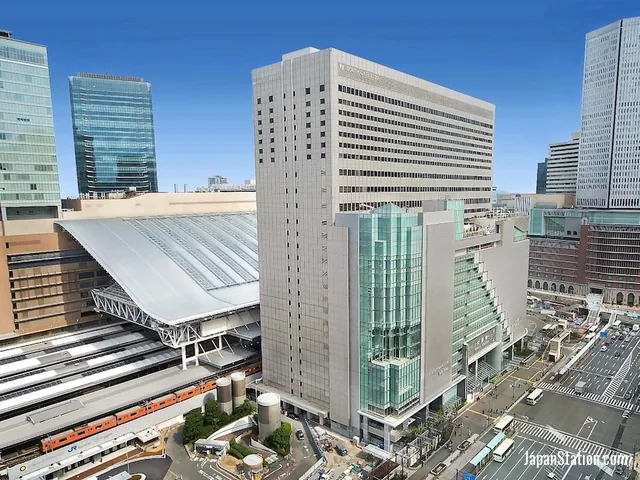
Everyday city life, dining, evening streets, and transport overlap throughout Osaka. Dotonbori, Namba, Shinsaibashi, and Kuromon Ichiba shape much of the southern visitor experience, especially when food, shopping, and late nights are priorities. Umeda has a different character, concentrating department stores, station-linked shopping, hotels, and regional rail routes around one of the city's busiest transport clusters.
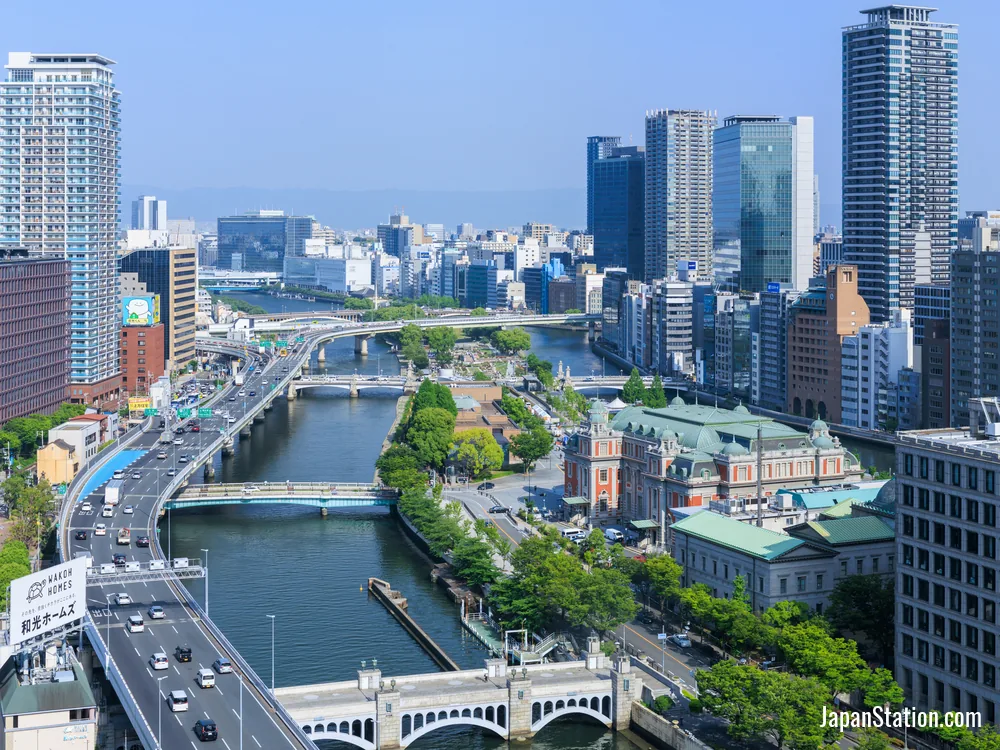
Other districts are quieter or more specialized. Osaka Castle Area combines parks, museums, and historic scenery, while Osaka-Nakanoshima has a riverfront setting with a cultural and business character. Osaka Tennoji-Abeno centers on Abeno Harukas and connections provided by JR, Osaka Metro, and Kintetsu.
Main areas
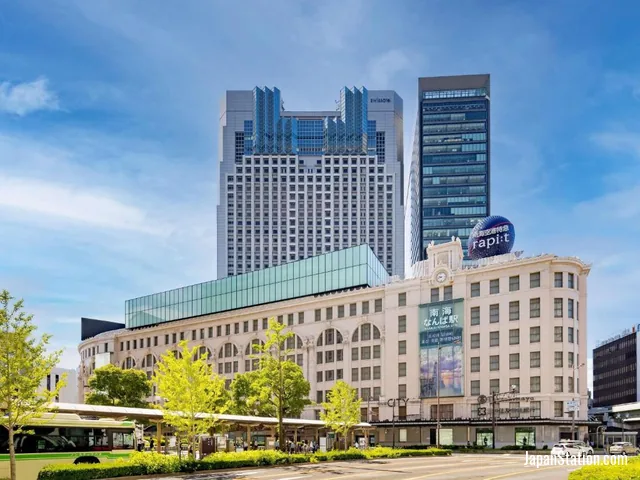
Namba and Shinsaibashi keep Dotonbori, food streets, shopping, nightlife, and Nankai trains to Kansai International Airport close at hand. Umeda, around Osaka Station and the neighboring Umeda stations, favors northern Osaka, department stores, larger hotel options, and rail trips toward Kyoto, Kobe, and elsewhere in Kansai.
Shin-Osaka handles Tokaido and Sanyo Shinkansen services. It is convenient for early bullet trains, late arrivals, airport-linked rail plans, and itineraries with frequent transfers, although it is separate from Umeda and has less nightlife. Tennoji-Abeno is a southern hub for JR, subway, and Kintetsu services, with Abeno Harukas and rail access to Kansai International Airport.
Getting around and onward travel
For many visitors, the Osaka Metro Midosuji Line is the main north-south route. It connects Shin-Osaka, Umeda, Hommachi, Shinsaibashi, Namba Station, and Tennoji Station, creating a straightforward link between major hotel areas and sightseeing districts.
The wider network is extensive. JR, Hankyu, Hanshin, Keihan, Kintetsu, Nankai, other Osaka Metro lines, and airport buses serve different parts of the city. Where you stay often depends on what comes next: a Shinkansen departure, an airport transfer, a regional day trip, or an evening in Minami.
Kansai International Airport access varies by district. Nankai trains serve Namba, while JR services serve Tennoji, Osaka, Shin-Osaka, and Kyoto. Osaka Itami Airport primarily handles domestic flights, with limousine buses serving Shin-Osaka, Osaka and Umeda, Namba, and Abenobashi or Tennoji.
Where to stay and where to go next
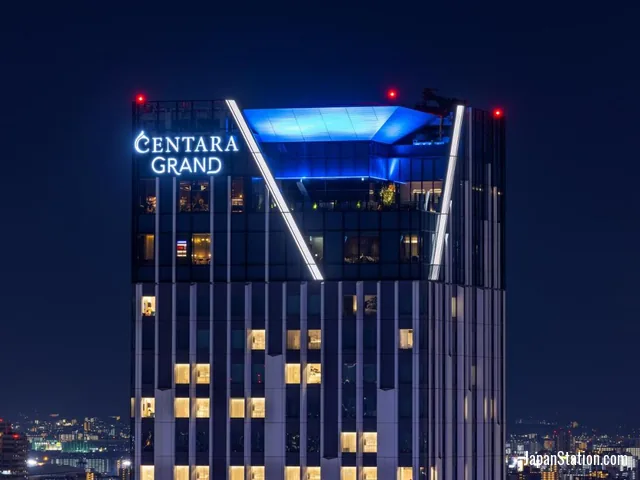
Namba and Shinsaibashi favor food, nightlife, and Minami's busiest streets. Umeda brings shopping, hotels, and broad rail connections together. Hotels around Shin-Osaka are better suited to trips where Shinkansen timing matters more than evening atmosphere, while Tennoji-Abeno favors southern Osaka, Abeno Harukas, Kintetsu routes, and airport rail. Nakanoshima, Hommachi, and the Osaka Castle Area provide calmer central alternatives.
Osaka is also a starting point for trips to Kyoto, Nara, Kobe, Wakayama, and the wider Kansai region. The right hotel district depends less on what appears closest on a map than on how your trip is organized, particularly whether bullet trains, airport routes, regional day trips, or late nights in Minami come first.
Good to know
Osaka Station, Umeda Station, Shin-Osaka Station, Namba Station, and Tennoji Station are in separate areas. Bullet trains use Shin-Osaka, while Nankai airport trains use Namba. Transfers around Osaka-Umeda may also involve adjacent stations operated by different railway companies.