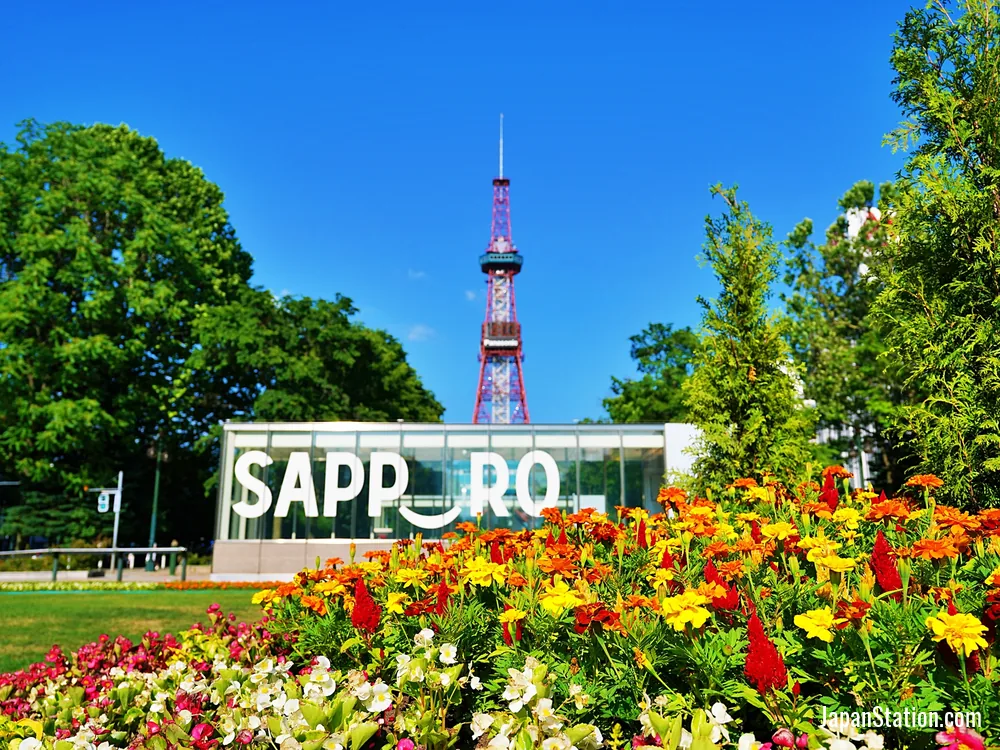
Overview
Sapporo makes many Hokkaido itineraries easier from the outset. Sapporo Station handles JR services and airport trains, Odori forms the center of the downtown grid, and Susukino has the city's liveliest evening scene.
That clear layout becomes especially important in winter, when snow, luggage, or a late return can complicate even short journeys. The right place to stay is often the one that simplifies your arrival, evenings, and departure morning, rather than whichever looks closest on a map.
What the city is known for
Winter shapes much of Sapporo's identity, but the city has plenty to offer beyond the snow season. The Sapporo Snow Festival uses main venues at Odori Park, Susukino, and Tsudome, while Odori Park remains a central corridor for events throughout the year.
Food is equally compelling. Hokkaido seafood and produce appear in market meals and department-store food halls, while miso ramen, soup curry, and lamb barbecue give the city a distinctive local flavor. You don't need to pursue a single signature dish; Sapporo brings a broad range of Hokkaido cooking together in one accessible city.
Main areas
The Sapporo Station Area is the simplest option when New Chitose Airport trains, JR departures, shopping, or luggage take priority. It can feel more functional than atmospheric, but that is often an advantage on arrival and departure days.
Odori is the middle ground. The park crosses central Sapporo, all three subway lines meet there, and the corridor hosts many seasonal events. Stay here for park access and balanced subway connections without being beside the main JR hub or amid Susukino's busiest nightlife blocks.
Sapporo-Susukino keeps dinners, bars, ramen, and late returns within easy walking reach. Just south of the activity, Sapporo-Nakajima Park offers a calmer setting, while the Namboku Line keeps Susukino, Odori, and the JR rail hub close.
Getting around and onward travel
JR Rapid Airport trains connect New Chitose Airport and Sapporo Station in about 33 to 37 minutes on the fastest services, and some continue toward Otaru. Airport buses take longer, though they may be more convenient for certain central hotel areas.
The subway covers most journeys within Sapporo. All three lines meet at Odori, while the streetcar loops around the southwestern side of downtown, where subway coverage is thinner.
Beyond the city, Sapporo Station is the main JR Hokkaido hub for Otaru and longer routes across the island. Sapporo isn't currently a Shinkansen stop. Travelers arriving by rail from Honshu continue from Shin-Hakodate-Hokuto by limited express.
Where to stay and where to go next
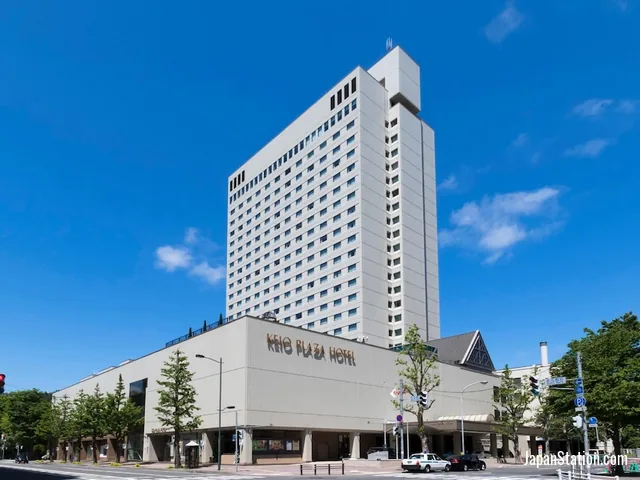
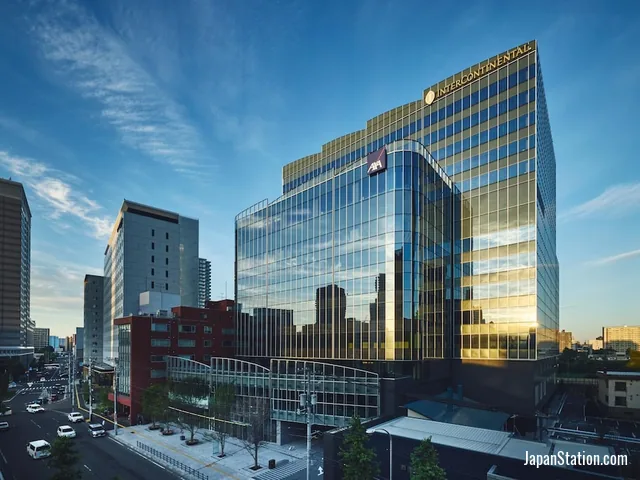
Staying by the JR rail hub favors New Chitose Airport trains, early starts, easier luggage handling, and onward JR departures. Odori is better when balanced subway connections and park access matter more. Susukino brings dinner and nightlife closer, while Nakajima Park offers a quieter return at night.
Otaru is the easiest classic day trip by rail, with Otaru Station serving its central sightseeing area. Longer journeys across Hokkaido often begin at Sapporo Station as well, so decide early whether evening atmosphere or departure logistics matters more for your stay.
Good to know
Winter changes the equation. Short walks can demand more effort in snow, and covered routes or direct subway and JR connections may matter as much as distance. If your visit is brief, choose the area that solves its hardest part: arrival, the evening return, or departure morning.