Overview
Hokkaido is Japan's northernmost prefecture and its second-largest island, a wide northern region where distances shape the trip as much as the sights themselves. Sapporo is the main urban base, New Chitose Airport is the primary air gateway, and travelers arriving by rail from the south enter through Shin-Hakodate-Hokuto before continuing toward Hakodate or Sapporo.
What the region is known for
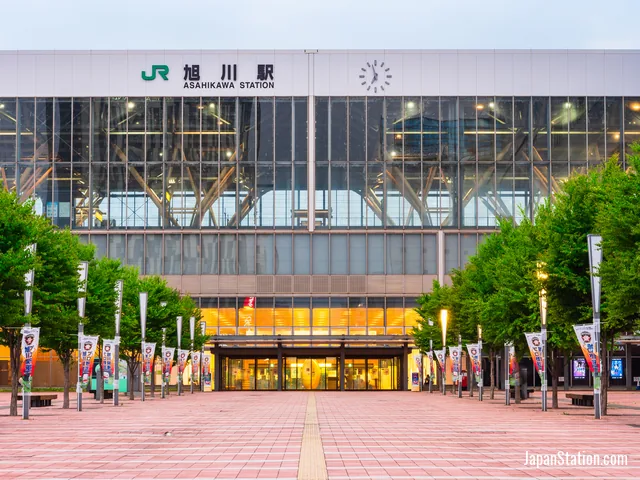
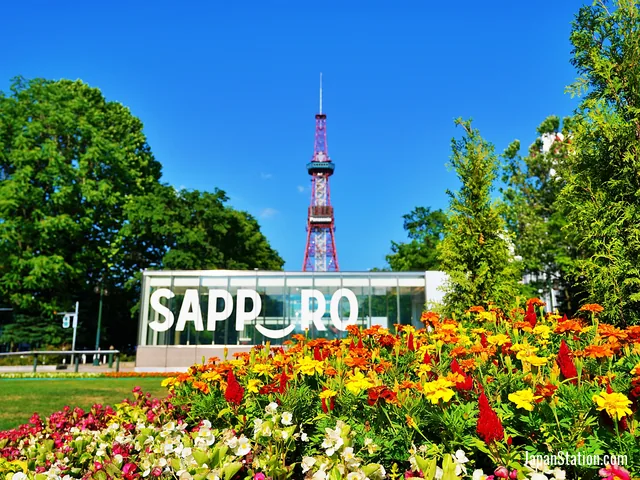
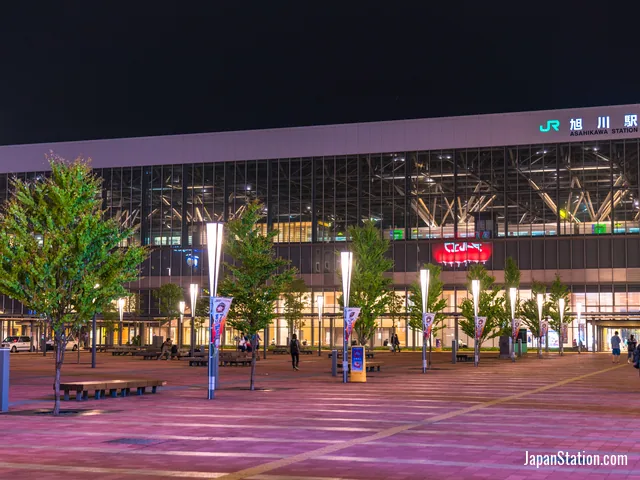
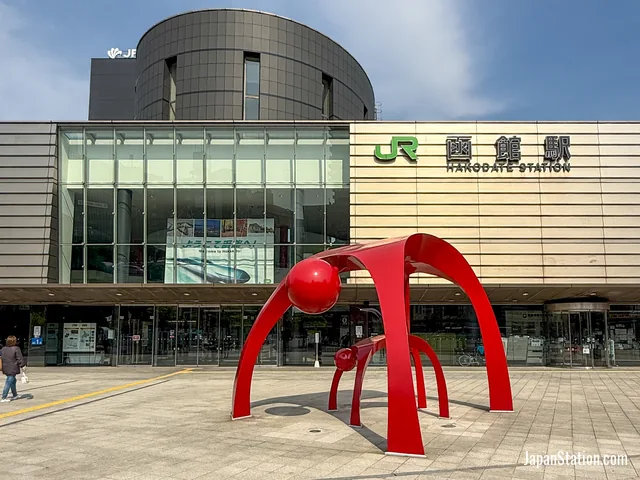
Hokkaido is known for powder snow, cool summers, seafood, dairy, ramen, hot springs, volcanoes, lakes, flower fields, and expansive national-park scenery. Sapporo offers the easiest city base, with shopping, dining, Odori Park, Susukino nightlife, winter events, and day trips toward Otaru. Hakodate brings port history, the morning market, Goryokaku, hot springs, and night views, while Asahikawa is a useful gateway for Biei, Furano, Daisetsuzan, and routes into northern Hokkaido.
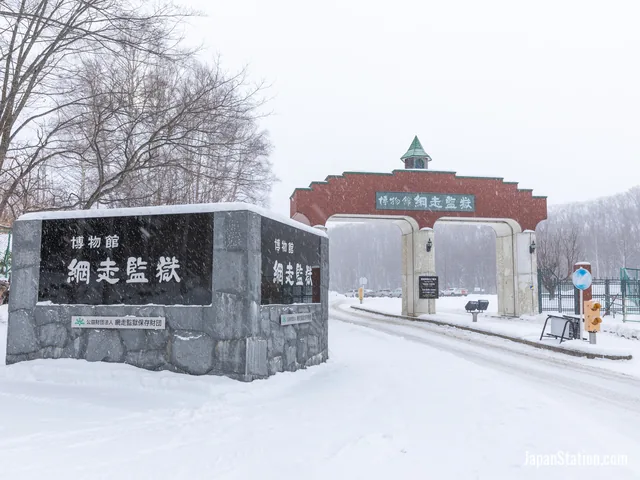
Eastern and northern Hokkaido call for a slower, more deliberate pace. Kushiro, Lake Akan, Lake Mashu, Shiretoko, Abashiri, Wakkanai, Rishiri, Rebun, Obihiro, and Tokachi are rewarding for wetlands, wildlife, drift ice, coastlines, islands, gardens, and road trips, but they are not quick side trips from a short stay in Sapporo.
Main gateways
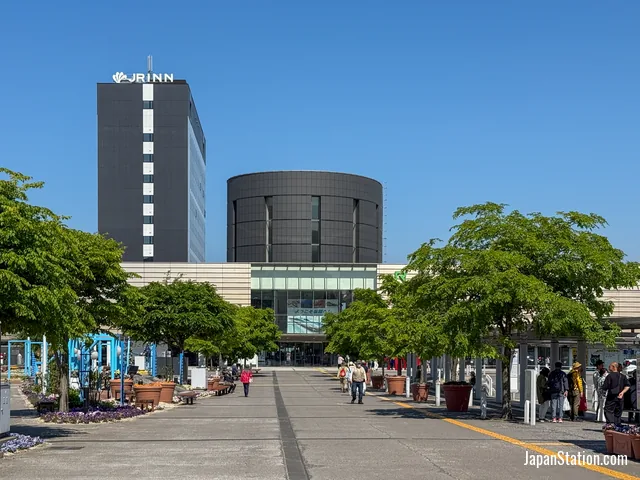
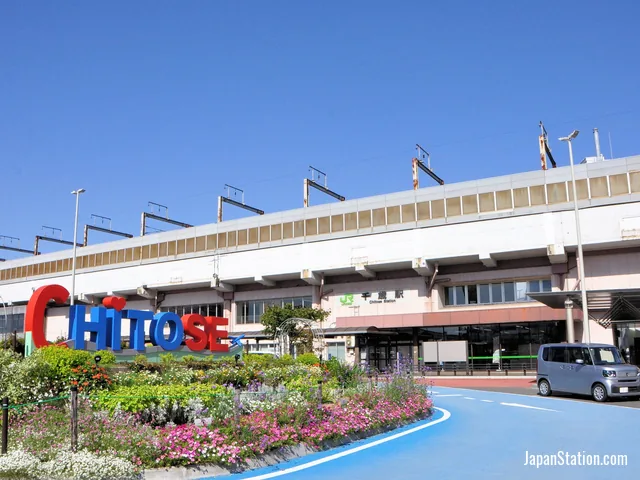
Use Sapporo Station Area for the broadest mix of hotels, JR trains, subway access, airport trains, shopping, and restaurants. New Chitose Airport has direct rail service to Sapporo and Otaru, making it the simplest entry point for central Hokkaido. Hakodate Station and Shin-Hakodate-Hokuto Station are important for Hokkaido Shinkansen arrivals from Honshu, while Asahikawa Station and Otaru Station serve as practical anchors for their parts of the island.
Getting around and onward travel
Hokkaido is large enough that maps can be misleading. JR Hokkaido lines connect the main cities, but journeys such as Sapporo to Hakodate, Kushiro, or Wakkanai take several hours and may require reserved-seat limited express trains. The Hokkaido Shinkansen currently reaches Shin-Hakodate-Hokuto, where travelers continuing to Hakodate or Sapporo transfer to conventional rail. Buses, domestic flights, ferries, and rental cars become more important for national parks, ski areas, capes, lakes, onsen towns, and remote eastern or northern routes.
Where to stay
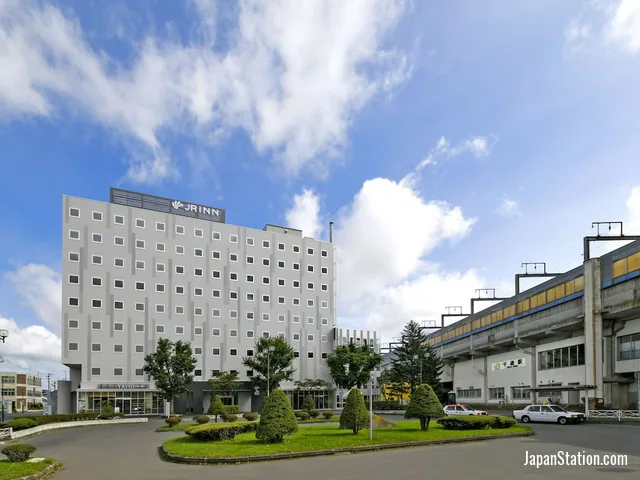
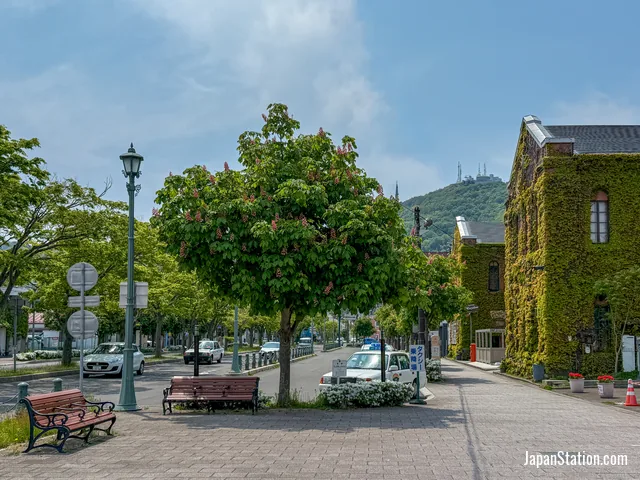
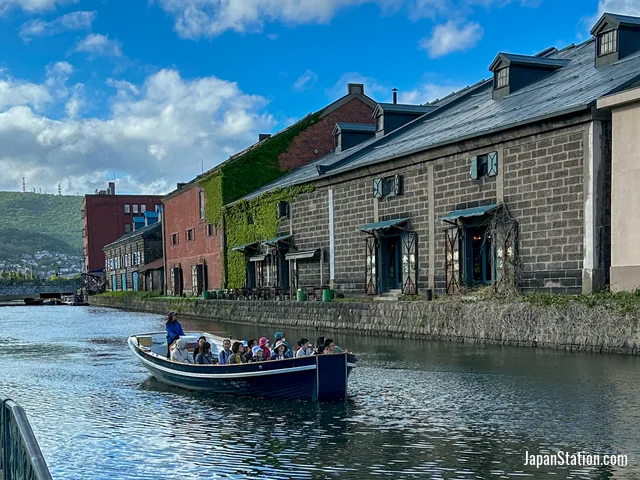
Choose Sapporo Station Area when you want the strongest airport rail access, onward train connections, shopping, and hotel choice. Choose Sapporo-Susukino when evening dining, nightlife, and subway access matter more than being next to JR trains. Hakodate works well for southern Hokkaido, Asahikawa for Biei, Furano, and inland routes, and Otaru for canal and coast walks close to Sapporo. For trips centered on snow, hot springs, lakes, wetlands, drift ice, or far-north travel, consider destination bases such as Niseko, Noboribetsu, Lake Toya, Kushiro, Abashiri, or Wakkanai.
Good to know
Hokkaido is broad enough that one base rarely works for the whole region. Use the linked city, station, and stay-area cards on this page as the current index coverage, then choose bases by route direction rather than map distance alone.