Overview
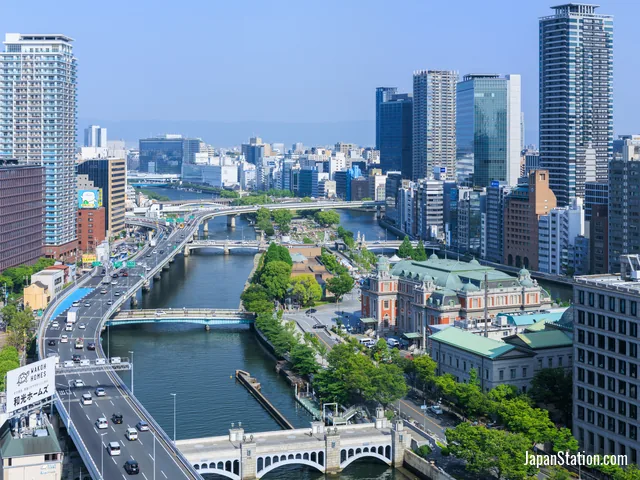
Kansai includes the Kyoto, Osaka, and Kobe core along with the surrounding prefectures of Kyoto, Osaka, Shiga, Hyogo, Nara, and Wakayama. It is one of Japan's easiest regions for combining several cities in one trip, but it does not function as a single station network. Osaka, Kyoto, Kobe, Nara, Himeji, Lake Biwa, Wakayama, Koyasan, and Kinosaki Onsen each work best with different base choices.
What the region is known for
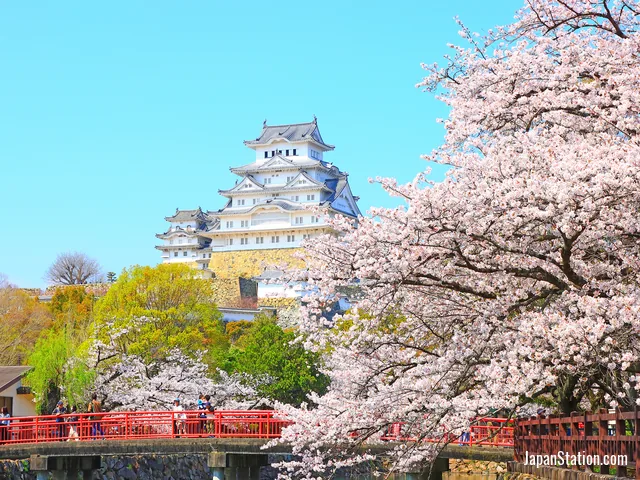
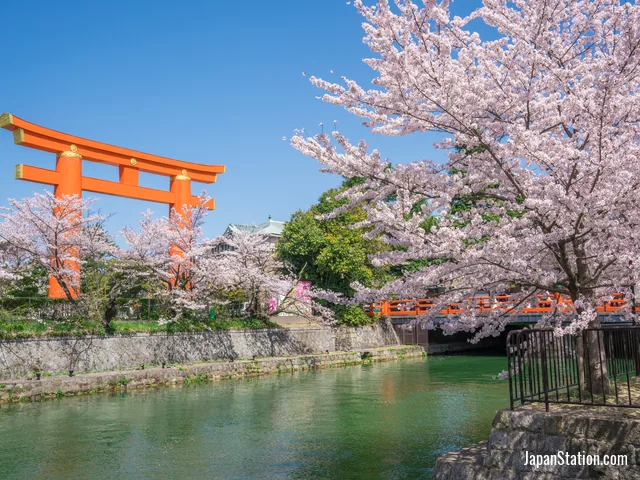
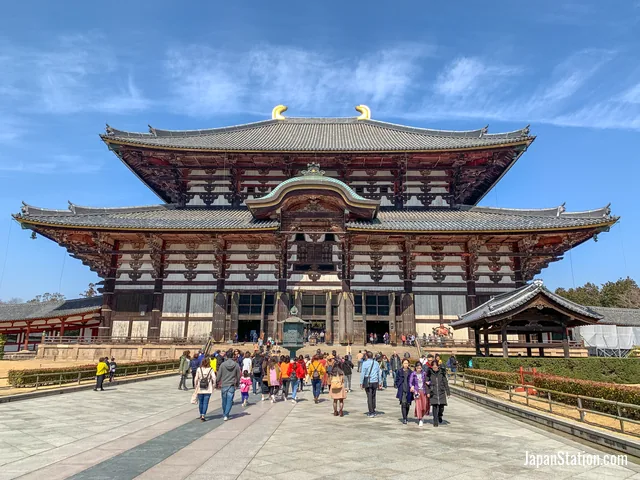
Kansai is known for ancient capitals, castles, temples, shrines, gardens, shopping streets, food districts, nightlife, port views, hot springs, mountain routes, pilgrimage travel, and short rail hops between major cities. Kyoto and Nara carry much of the classic image of Japan, with temples, shrines, old streets, gardens, and park-centered sightseeing. Osaka adds food, nightlife, shopping, a wide choice of rail lines, and the region's most flexible urban base for many itineraries.
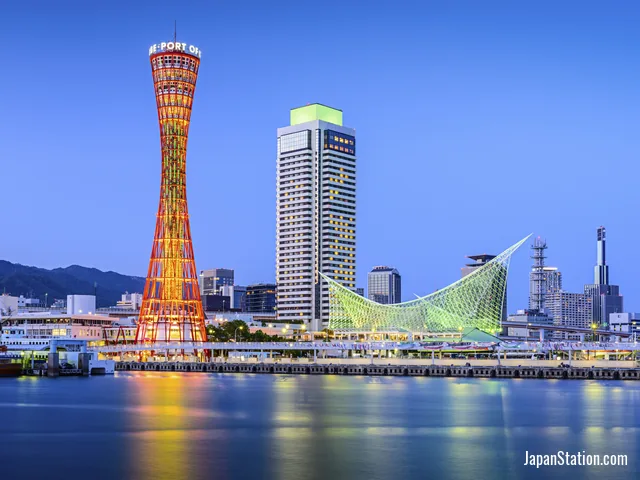
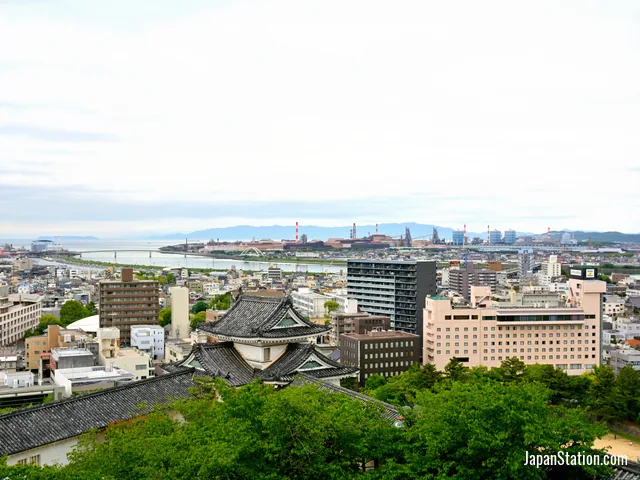
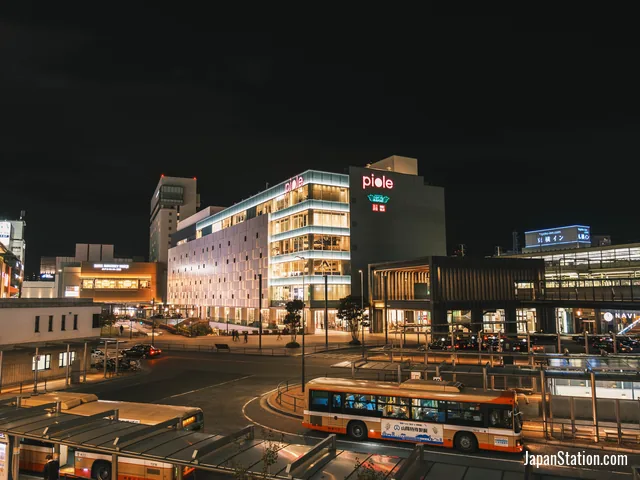
Kobe offers a port-city stay around Sannomiya, Kitano, the harbor side, and routes toward Arima Onsen or Mount Rokko. Himeji is a good fit for a castle-focused stop on the Sanyo Shinkansen corridor. Wakayama and the Kii Peninsula side lead toward Koyasan, Kumano Kodo, coastal stays, and slower regional routes, while Shiga and Lake Biwa extend Kansai well beyond the usual city triangle.
Main gateways
Use Osaka-Umeda when the trip needs JR access, shopping, dining, and day trips toward Kyoto, Kobe, Nara, or Himeji. Osaka-Namba is stronger for nightlife, Dotonbori, Nankai airport trains, and southern Osaka routes. Shin-Osaka Station Area is the practical Shinkansen base for travelers who value early departures, easy arrivals, or simple luggage handling over neighborhood atmosphere.
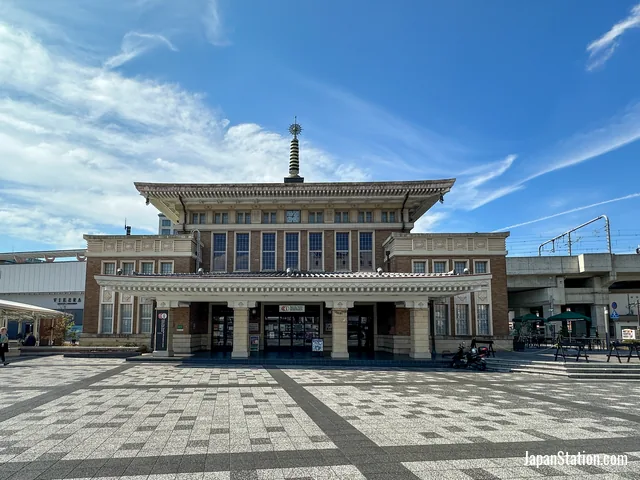
Kyoto Station Area is Kyoto's strongest rail base, while Kyoto-Gion and Kyoto-Kawaramachi place travelers closer to historic streets, dining, shopping, and evening walks. Kobe-Sannomiya is the main base for Kobe. In Nara, compare Kintetsu Nara Station Area with JR Nara Station Area based on your route and sightseeing plan. Himeji Station Area and Wakayama Station Area cover the region's indexed western and southern anchors.
Getting around and onward travel
Kansai International Airport has both JR and Nankai rail links, with JR Haruka services toward Kyoto and Shin-Osaka and Nankai trains toward Namba. JR West, Hankyu, Hanshin, Keihan, Kintetsu, Nankai, subways, buses, and airport trains can all be useful, so the best hotel area depends on the lines you will actually use. Kyoto sightseeing often combines rail, subway, buses, taxis, and walking. Nara access changes depending on whether you use JR or Kintetsu. Osaka trips can feel very different when based in Umeda, Namba, Tennoji, Hommachi, or Shin-Osaka.
Where to stay
Choose Osaka for the strongest all-purpose base, food, nightlife, airport access, and day-trip flexibility. Choose Kyoto when temples, gardens, old streets, and early sightseeing are the priority. Choose Nara for early shrine and temple visits, Kobe for port-city views and Sannomiya access, Himeji for castle timing and Sanyo Shinkansen travel, and Wakayama or Koyasan-side bases when the trip turns toward the Kii Peninsula.
Good to know
Kansai is rich in rail options, but it is still easy to choose a base that adds unnecessary transfers. Pick your stay area by the first two or three routes the trip actually needs, not just by the city name.