Overview
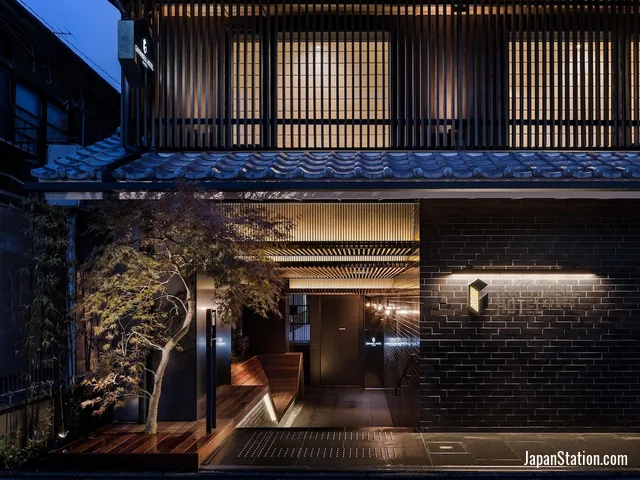
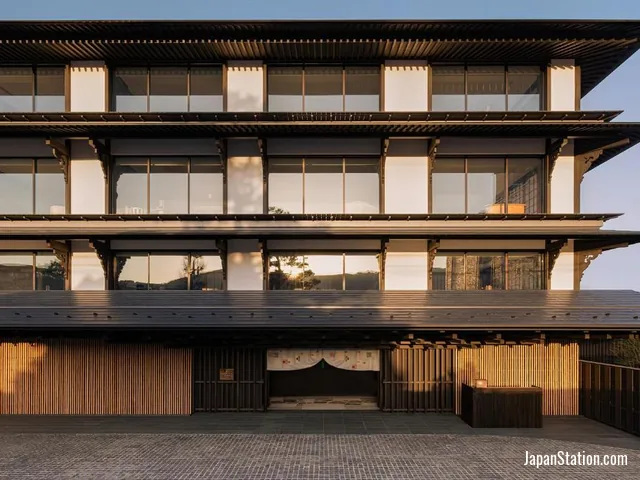
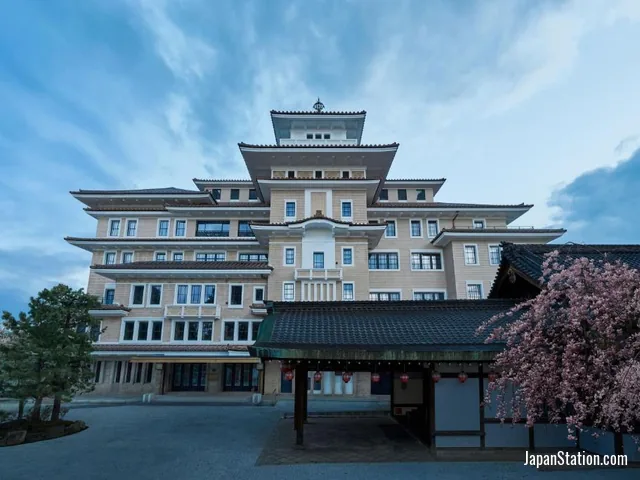
Kyoto-Gion is the historic east-side district around Gion-Shijo Station, Yasaka Shrine, Kenninji, and the lanes leading toward Higashiyama. It is a strong choice for visitors who want traditional streets, Kamo River walks, temple approaches, and evening atmosphere close by, rather than a base focused on Kyoto Station rail connections.
What the area is known for
Gion is known for its traditional townscape, teahouse streets, and Kyoto's traditional entertainment culture. The wider Gion and Higashiyama area brings together old streets, shrines, temples, shops, and walking routes toward Kiyomizu-dera and the Philosopher's Path. It is a rewarding area to explore on foot, especially when sightseeing is planned as a connected cluster rather than a station-to-station checklist.
Main places
Useful landmarks include Hanamikoji Street, the Shirakawa side of Gion, Yasaka Shrine, Kenninji Temple, Maruyama Park, and the Kamo River. Pontocho and Kiyamachi are just across or near the river, while Higashiyama routes continue east and southeast toward temple approaches and preserved streets.
Stations and access
Gion-Shijo Station on the Keihan Main Line is the clearest rail anchor for Gion itself. It works well for Keihan routes along Kyoto's east side and onward toward Fushimi Inari, Uji connections, and Osaka-side Keihan destinations. Kyoto Kawaramachi Station on the Hankyu Kyoto Line is nearby across the Kamo River, making it useful for downtown Kyoto and Hankyu trains toward Osaka-Umeda.
Kyoto Station is not directly beside Gion. Travelers arriving by long-distance rail usually continue by taxi, bus, or another local connection, so this area is better suited to staying in the historic east side than to maximizing platform convenience.
Where it fits in a trip
Choose Gion when evening walks, traditional streets, restaurants, and Higashiyama sightseeing matter more than first- and last-night station logistics. It works especially well for slower Kyoto days built around walking, temples, river routes, nearby dining, and nightlife. Choose Kyoto Station Area when luggage handling, early rail departures, or frequent rail outings are the priority.
Good to know
Gion is a working neighborhood as well as a visitor area. Kyoto's tourism guidance asks visitors to respect residents, avoid entering private or restricted spaces, avoid unauthorized photography of traditional performers, and keep sidewalks and roads clear. Leave time to wander, but treat the smaller streets as real neighborhood streets, not a theme park.