Overview
Kyoto makes more sense as a collection of neighborhoods than as one compact sightseeing zone. Its temples, shrines, gardens, old streets, food, and seasonal events are spread across several parts of the city.
Where you stay matters. The Kyoto Station Area simplifies long-distance rail transfers, airport train journeys, taxi connections, and luggage handling. Gion and Higashiyama bring older lanes, riverside walks, and evening atmosphere closer to your door, while downtown and the central subway corridors balance restaurants, shopping, and cross-town transport.
What the city is known for
Kyoto served as Japan's imperial residence for more than a thousand years, and that history still shapes a visit. Spending a day in one part of town often feels more rewarding than rushing between famous sights scattered across the map.
The city's culture extends beyond its major temples. Traditional houses, seasonal festivals, craft shops, tea, and food add depth between the headline stops. Leave time for that quieter layer.
Main areas
The main rail side is the simplest choice for arrivals and departures. Shinkansen platforms and Haruka airport trains are close to taxis and numerous hotels, which helps on first or last nights and during trips built around day travel.
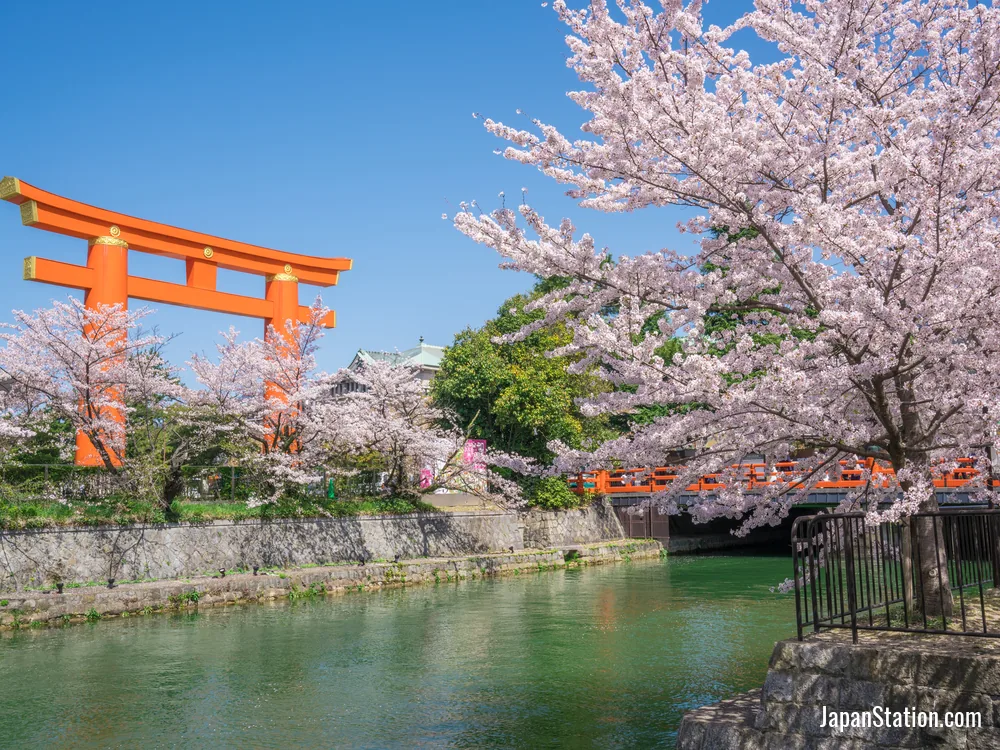
Gion and Higashiyama favor atmosphere over rail convenience. The east side puts old streets, Kamo River walks, and evening routes near Yasaka Shrine or Kiyomizu within easier reach.
Downtown around Kawaramachi and Shijo-Karasuma offers a middle ground for food, shopping, and nightlife. The Karasuma and Tozai subway lines also make the central grid easier to navigate when each sightseeing day leads in a different direction.
West of the main rail area, Umekoji has a quieter park-and-museum rhythm. It is less atmospheric than the east side, but families and repeat visitors may appreciate the space around Umekoji Park, the aquarium, and the railway museum.
Getting around and onward travel
The main rail hub brings together the Tokaido Shinkansen, JR, and Kintetsu services. The Karasuma subway line, bus stands, and taxis handle many connections within the city, while the Haruka express runs directly from Kansai International Airport.
Not every journey needs a bus. Buses reach many famous sights, but subway and rail routes can make cross-town travel smoother when they fit the day's plan. Once you're in Gion, Higashiyama, or another sightseeing district, walking between nearby places often matters more than finding a single perfect route.
Where to stay and where to go next
Stay near the rail hub for transfers, airport trains, day trips, and luggage-heavy arrivals. The east side brings older streets and evening walks closer, while the central subway districts provide restaurants and transport balance without placing you at either edge of the city.
Osaka, Nara, and Uji are natural onward destinations. Kobe and Shiga also fit into wider Kansai itineraries. Longer rail days are possible, but they're easier when you stay near the long-distance platforms.
Good to know
Kyoto can look compact on a map, yet travel days don't always feel that way. Group sights by area, and consider early mornings or later evenings for places that become crowded during peak seasons.