
Abashiri city
Abashiri Station Area
Station-side hotels and tourist information simplify rail arrivals, but the Aurora waterfront departure point and Tentozan museums still require a bus, taxi, or car.
Japan Station Hotel Index Browse
Area guides compare transport usefulness and hotel fit.
Area guides compare transport usefulness and hotel fit.
Station-side hotels and tourist information simplify rail arrivals, but the Aurora waterfront departure point and Tentozan museums still require a bus, taxi, or car.
会津若松駅周辺
Trains, buses, taxis, hotels, and visitor services converge in Aizuwakamatsu Station Area, a convenient starting point for the castle town and nearby hot springs.
Rapid trains put Osaka six minutes from JR Amagasaki, while a direct Kansai Airport bus and north-exit shopping simplify arrival and departure.
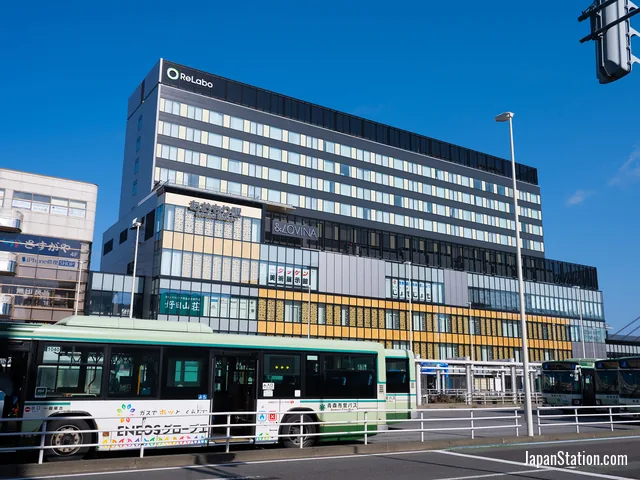
Bayfront museums, regional shopping, airport buses, and city-center hotels fill the compact Aomori Station Area; Shinkansen services stop separately at Shin-Aomori Station.
At Asahikawa Station, hotels and the kilometer-long Heiwa-dori pedestrian street lie north of the tracks, while Kitasaito Garden opens south toward the river and JR routes branch across northern and central Hokkaido.
Atami Station Area lies above the seafront, where Shinkansen and local rail access meet traditional shopping streets, buses, and a natural hot-spring footbath.
別府駅周辺
Beppu Station Area combines easy JR and airport-bus arrivals with walkable central baths; Kannawa and the Hells are an uphill bus ride away.
In Central Hamamatsu, the Shinkansen, Act City, and the Museum of Musical Instruments lie close together, while buses run to Hamamatsu Castle and Lake Hamana.
Around Chitose Station, hotels, local dining, and a salmon aquarium provide a town-side alternative to New Chitose Airport, about ten minutes away by train.
中部国際空港セントレア
On its island off Tokoname, Chubu Centrair International Airport brings together direct Meitetsu trains, airport hotels, Flight of Dreams, and Aichi Sky Expo.
Park days begin near the gates in Fuji-Q Highland Area, where the closest rail stop, highway buses, and park-side hotels cluster around the amusement park.
福井駅周辺
Fukui Station Area has hotels, food halls, and visitor services around the city's Shinkansen stop, with Fukui Castle ruins and Yokokan Garden within walking distance.
Fukuoka-Hakata brings Shinkansen and airport subway connections together in a major hotel district, with Hakata Old Town's temple streets a short walk west.
中洲川端
Fukuoka-Nakasu-Kawabata blends riverside nightlife, old shopping streets, and Hakata Riverain culture with direct Airport Line trains between Hakata and Tenjin.
Department stores, Daimyo's side streets, and direct airport subway service make Fukuoka-Tenjin the livelier alternative to staying near Hakata Station.
岐阜駅周辺
Between Gifu's separate JR and Meitetsu stations, this area combines regional rail, direct airport trains, hotels, and buses toward Mount Kinka.
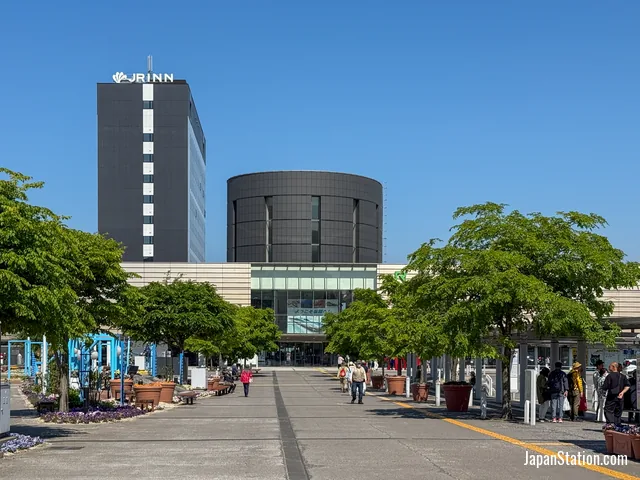
Around Hakodate Station, this compact hotel district brings the morning market, streetcars, airport buses, and city-side rail connections within easy reach.
Direct trains from Shinjuku arrive in Hakone-Yumoto, where hot-spring inns and lively shopping streets give way to rail and bus routes deeper into Hakone.
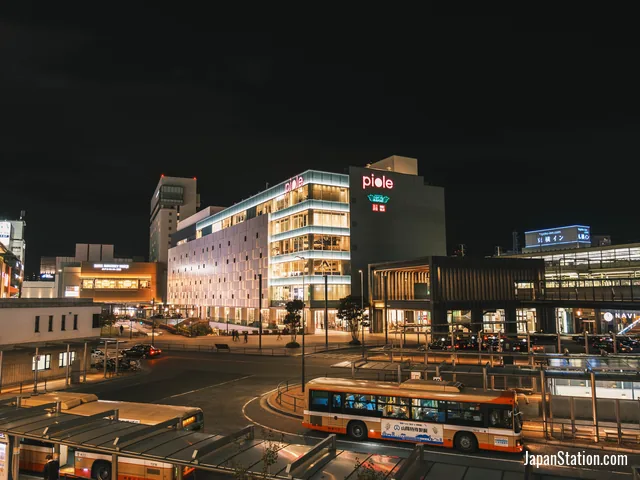
A straight 15-to-20-minute walk links Himeji Station Area with Himeji Castle, while nearby hotels and lockers ease both day visits and overnight stops.
In Hiroshima-Hatchobori, department stores, Okonomimura, and streetcars come together in a livelier downtown setting than the hotels around Hiroshima Station.
広島・紙屋町
In compact Hiroshima-Kamiyacho, trams, the Astram Line, regional and airport buses meet downtown shopping and several of Hiroshima's major central sights.
広島・平和大通り
Along central Peace Boulevard, hotels in Nakamachi, Fukuromachi, and Otemachi put Peace Memorial Park, Hondori, and two streetcar stops within easy reach.
Hiroshima Station Area pairs Shinkansen and airport-bus logistics with nearby hotels and JR routes for Miyajima, Kure, and other regional day trips.
Hon-Kawagoe Station Area puts Seibu arrivals beside Kawagoe Prince Hotel and PePe, with Crea Mall to the south and Kawagoe's old town farther north.
伊勢市駅・外宮
The Geku approach runs from Iseshi Station's JR-side exit to the shrine in about five minutes, passing luggage services, restaurants, cafes, and shops.
伊東駅周辺
From Ito Station, old hot-spring streets, Orange Beach, the Matsukawa promenade, and Tokaikan spread across a compact seaside district.
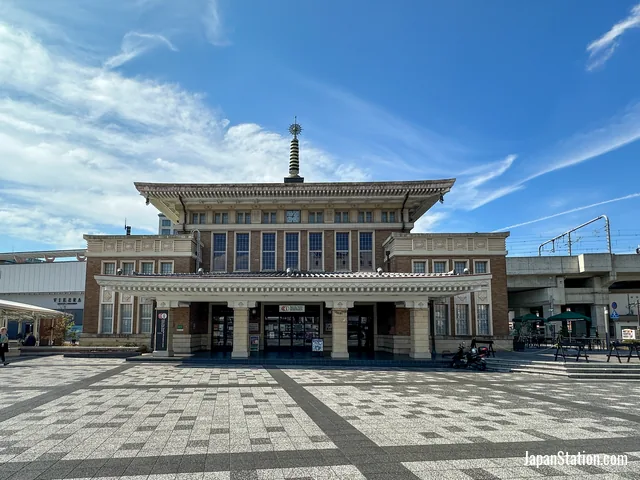
Sanjo-dori leads uphill from JR Nara Station toward Naramachi and Nara Park, with station-side hotels close to JR trains and direct airport buses.
At southern Kyushu's Shinkansen terminus, Kagoshima-Chuo Station Area brings together direct airport buses, AMU Plaza shopping, and quick trams to Tenmonkan.
海浜幕張駅周辺
Centered on Chiba's main rail stop for events, Kaihimmakuhari Station Area combines Makuhari Messe and ZOZO Marine Stadium with outlet shopping and bayfront hotels.
Kamakura Station Area divides neatly between Komachi-dori and Tsurugaoka Hachimangu to the east, and Onari-dori and Enoden trains for Hase to the west.
In Kanazawa-Korinbo, downtown shops and Katamachi restaurants lead into Nagamachi's historic lanes, about ten minutes by bus from Kanazawa Station.
Shinkansen timing, airport buses, station shopping, and luggage handling make Kanazawa Station Area stronger for logistics than castle-and-garden atmosphere.
Kyoto's Karasuma and Tozai subway lines meet at Karasuma Oike, near the Manga Museum and one stop from Nijo Castle.
軽井沢駅周辺
Karuizawa Station Area puts Shinkansen access beside the south-side shopping and resort zone, while buses and visitor services leave from the opposite side.
South of Kawagoe's old town, Kawagoe Station Area brings together JR and Tobu trains, West Exit hotels, and buses to the historic district.
Kawaguchiko Station Area brings trains, highway buses, and Fuji Five Lakes sightseeing routes together, though Lake Kawaguchi's shore lies beyond the transport hub.
城崎温泉
Beside its JR station, Kinosaki Onsen is a walkable hot-spring town of seven public bathhouses, willow-lined canalside streets, and yukata-clad guests.
Two local stops from Kyoto Station, Kintetsu Jujo Station Area favors road access and nearby Toji over the shops and attractions of central Kyoto.
From Kintetsu Nara Station, walk east toward Nara Park or south through Higashimuki's covered arcade to the historic lanes of Naramachi.
鬼怒川温泉
Along the Kinugawa River, this hot-spring resort combines large hotels, free footbaths, seasonal boat tours, and bus connections to nearby theme parks.
神戸ハーバーランド
From Kobe Station to the waterfront, Kobe Harborland combines shopping and family attractions with harbor views and an easy walk toward Meriken Park.
神戸北野・新神戸
Above central Kobe, Kitano / Shin-Kobe brings Sanyo Shinkansen access together with historic foreign residences, Nunobiki Falls, and the Kobe Nunobiki Herb Gardens.
神戸元町・南京町
West of Sannomiya, Kobe Motomachi / Nankinmachi combines Chinatown dining, covered shopping streets, and the Former Foreign Settlement near JR, Hanshin, and subway stops.
Railways, shopping arcades, and evening dining meet in Kobe-Sannomiya, and Port Liner trains run directly to Kobe Airport.
Kochi City Center brings market food, lively evenings, and Kochi Castle together in a walkable district south of the JR station.
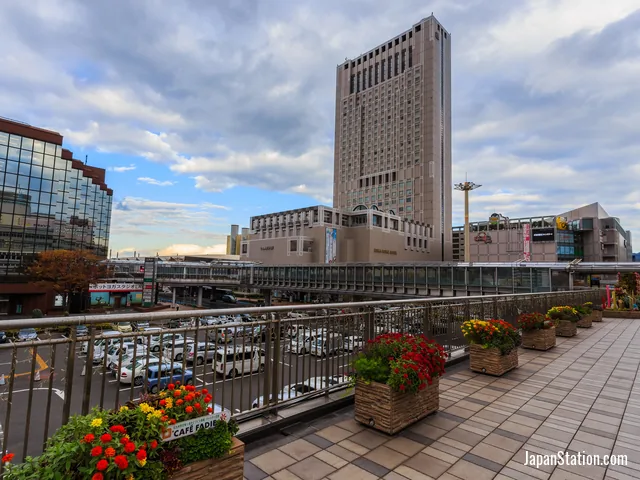
小倉駅周辺
Around Kitakyushu's Shinkansen hub, Kokura Station Area brings together the Asano convention district, downtown arcades, Tanga Market, and Kokura Castle.
Kumamoto Station Area puts hotels and shopping beside the Shinkansen, about two kilometres southwest of Kumamoto Castle, with trams running into central Kumamoto.
Covered shopping streets connect Kurashiki Station with the Bikan Historical Quarter, while outlet shopping and airport buses occupy the north side of the tracks.
Bamboo paths, Togetsu-kyo Bridge, temples, and the Sagano Romantic Train make Kyoto-Arashiyama a full-day sightseeing district, not a single photo stop.
Kyoto-Gion is Kyoto's historic east-side district, known for traditional streets, Gion-Shijo access, Yasaka Shrine, Kenninji, Kamo River walks, and atmospheric evenings.
Kyoto-Higashiyama and Okazaki is an east-side Kyoto cultural district around Higashiyama Station, Heian-jingu, Nanzen-ji, museums, gardens, and canal-side walks.
Shops and restaurants fill Kyoto-Kawaramachi around Shijo Street, with Pontocho beside the Kamo River and Gion a walk across the bridge.
Centered on Shijo Station, Kyoto Shijo-Karasuma combines Karasuma Line access with downtown shopping, dining, Nishiki Market, and a broad choice of central hotels.
First and last nights are simpler in Kyoto Station Area, where Shinkansen platforms, airport trains, hotels, and luggage services cluster around the city's main rail hub.
Kyoto-Umekoji combines a broad park, Kyoto Aquarium, and Kyoto Railway Museum for an easy indoor-outdoor day just one JR stop west of Kyoto Station.
About 15 minutes on foot from Matsumoto Castle, Matsumoto Station Area brings rail arrivals, hotels, and mountain bus connections close together.
At Matsuyama's downtown Iyotetsu hub, Matsuyama City Station Area brings trams and covered shopping together with direct buses from the airport and tourist port.
Covered shopping defines Matsuyama Okaido, with Gintengai to the south, the Matsuyama Castle ropeway to the north, and trams and airport buses nearby.
三島駅周辺
Just beyond Mishima Station's South Exit, Rakujuen and spring-fed waterways begin a compact city walk through shops and restaurants toward Genbe River and Mishima Taisha.
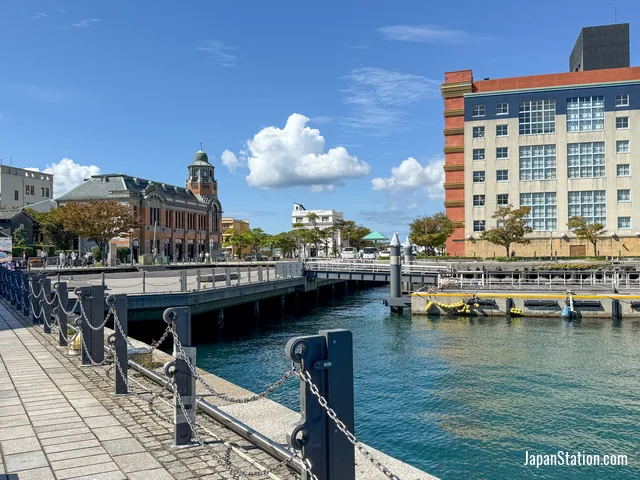
門司港レトロ
Around Mojiko Station, Mojiko Retro combines historic port architecture, Kanmon Strait views, baked curry, and ferry trips to Shimonoseki.
Train schedules shape the Nagano Station Area, a compact district for Shinkansen arrivals, bus day trips, station-side hotels, and quick meals.
For Shinkansen arrivals and airport-bus connections, Nagasaki Station Area is convenient, though the waterfront, Peace Park, and southern historic sights require a tram or bus.
名古屋・伏見/丸の内
Between Nagoya Station and Sakae, Nagoya-Fushimi / Marunouchi brings two subway lines, business streets, museums, Misonoza, and local dining into one central district.
名古屋・金山
Nagoya-Kanayama brings direct Centrair trains and cross-city rail links together, with Asunal's shops and open-air event plaza outside the north exit.
名古屋・栄
Department stores, nightlife, parks, and distinctive landmarks make Nagoya-Sakae the city's main downtown district, with two subway lines meeting at Nagoya Sakae Station.
One Aonami Line stop from Nagoya Station, Nagoya-Sasashima Live combines Global Gate, high-rise hotels, Zepp Nagoya, and canal-side public spaces in a newer district.
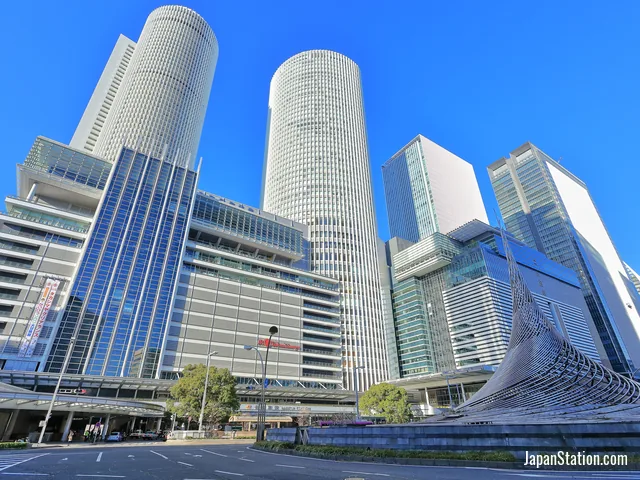
名古屋
For Shinkansen trips, Centrair transfers, and indoor shopping or dining, Nagoya Station Area puts everything close, but choosing the right entrance and operator matters.
那覇・旭橋
With Yui Rail, Naha Bus Terminal, and nearby city hotels, Naha-Asahibashi simplifies airport arrivals and bus journeys around Okinawa Main Island.
Kokusai Street runs through central Naha's shopping and dining district, with covered market arcades, Tsuboya's pottery shops, and nearby monorail stations for Naha Airport.
奈良県コンベンションセンター周辺
Conference venues, full-service hotels, Shin-Omiya rail links, shopping, and direct airport buses define this modern district between central Nara and Heijo Palace Site.
Narita Airport and central Narita serve different stays: use the terminals for flight-day simplicity, or stay near Narita Station for hotels, Omotesando, and Naritasan Shinshoji.
Arrive early at New Chitose Airport for Hokkaido food and shopping, or use its two in-terminal hotels to ease awkward flight times.
新潟駅周辺
Niigata Station Area contains the Joetsu Shinkansen terminus, local trains, airport buses, CoCoLo shops, and several station-linked hotels.
Moats, palace buildings, and gardens define Nijo Castle Area, with Nijojo-mae Station beside the grounds and central Kyoto one subway stop away.
JR trains to Kyoto Station and Saga-Arashiyama meet the east-west subway in Nijo Station Area, within walking range of Nijo Castle and well connected across Kyoto.
日光駅周辺
JR Nikko and Tobu-Nikko stations anchor Nikko's lower hotel and bus district, with connections to the World Heritage sites, Lake Chuzenji, and Oku-Nikko.
ニセコ駅周辺
Kira no Yu's hot-spring baths are a minute from the trains in Niseko Station Area, away from the mountain resort hotels.
ニセコビレッジ
At the foot of Niseko Annupuri, Niseko Village brings together ski slopes, resort hotels, and the restaurants of Niseko-yo.
Station-side hotels keep car-free Tokachi arrivals close to Obihiro's butadon dinners and the airport bus.
小田原駅周辺
East of Odawara Station, this area brings together Shinkansen and Hakone connections, Minaka Odawara, city-center dining, and an easy walk to Odawara Castle.
大分駅周辺
Oita Station Area makes arrivals easy inside JR Oita City, then opens north toward shops, restaurants, and the central art museums.
Shinkansen platforms, airport buses, and regional trains make Okayama Station Area a convenient starting point for trips to Kurashiki, Shikoku, and the Sanin region.
Broad parkland, layered history, and event venues make the Osaka Castle Area calmer and more spread out than Umeda or Namba.
From Semba's wholesale arcades to Utsubo Park, Osaka-Hommachi is a three-line subway district between Umeda and Namba.
大阪・北浜
Across the river from Nakanoshima Park, Osaka-Kitahama combines a working financial district with retro architecture, riverside cafes, and direct subway and Keihan trains.
Between the Dojima and Tosabori rivers, Osaka-Nakanoshima offers museums, concert venues, waterfront walks, and business hotels in a calmer central district.
Dotonbori nights and direct Nankai trains to Kansai Airport are Osaka-Namba's main advantages, though the right hotel side depends on your primary station.
At the heart of Osaka's Minami district, Osaka-Shinsaibashi brings shopping, dining, and nightlife together around Shinsaibashi Station and the covered Shinsaibashi-suji arcade.
大阪・新世界
Beneath Tsutenkaku, Osaka-Shinsekai brings together retro streets, kushikatsu restaurants, Janjan Yokocho, and three stations serving different sides of the district.
Abeno Harukas anchors Osaka Tennoji-Abeno, a southern rail and shopping district with direct airport trains, cross-city subway links, and hotels around the hub.
大阪上本町
For Kintetsu trips to Nara and straightforward airport transfers, Osaka Uehommachi combines rail, subway, hotel, and shopping facilities on the Uemachi Plateau.
Osaka-Umeda brings northern Osaka's main rail network together with major hotels, department stores, restaurants, and the commercial districts around Osaka Station.
Built around Universal Studios Japan, Osaka-Universal City / USJ brings Universal City Station, CityWalk dining and shops, official hotels, and airport buses into one compact district.
At the top of central Otaru, Otaru Station Area keeps arrivals simple, with quick hotel check-in and downhill walks toward the canal.
Park-side hotels around Sapporo-Nakajima Park are one Namboku Line stop from Susukino, close to downtown dining but quieter after dark.
札幌・大通
A 12-block park, three-line subway interchange, seasonal events, downtown shopping, and central hotels make Sapporo-Odori a natural focus for exploring the city.
Rail-heavy Sapporo trips are easiest from Sapporo Station Area, with airport trains, shopping, and hotels close together.
札幌すすきの
Late dining, neon-lit nightlife, and covered access toward Odori define Sapporo-Susukino, centered on Susukino Station in central Sapporo.
Sendai Station Area is the city's main hub for rail travel, hotels, shopping, and airport access, with Shinkansen connections and distinct east and west sides.
Sea views and coastal restaurants draw visitors to Shichirigahama, where the beach is about two minutes on foot from the Enoden station.
Shin-Aomori's Shinkansen platforms are a short local train ride from the waterfront, while the Nebutan-go bus serves Sannai-Maruyama and the Aomori Museum of Art.
In Hokuto, the Hokkaido Shinkansen connects with Hakodate Liner trains for the remaining 15 to 22 minutes into central Hakodate.
Centered on Osaka's Shinkansen stop, Shin-Osaka Station Area simplifies bullet-train arrivals, station-side stays, and Midosuji Line trips to Umeda and Namba.
新浦安駅周辺
Direct Keiyo Line trains, three nearby shopping centers, and partner-hotel shuttles make Shin-Urayasu Station Area convenient for Disney-focused stays outside the resort.
Early Shinkansen departures and Yokohama Arena events are easier here, with hotels and station dining close to the platforms.
Shinkansen arrivals at Shizuoka Station can head north for downtown food and history or take buses to sights beyond the center.
Inland from Takamatsu's waterfront, Takamatsu-Kawaramachi brings together covered shopping arcades, evening dining, and the city's main Kotoden transfer station.
From Takamatsu's JR station, ferry piers, airport buses, and Tamamo Park are all close together in one compact waterfront district.
After its 2026 grand opening, Takanawa Gateway City now offers NEWoMan shopping, MoN Takanawa, and JW Marriott Hotel Tokyo beside a Yamanote Line station.
飛騨の里周辺
On forested slopes southwest of central Takayama, Hida Folk Village, craft experiences, and resort stays are connected to Takayama Station by local bus.
高山駅周辺
On the western edge of central Takayama, the station area brings JR trains, highway buses, luggage services, and hotels within walking distance of the old town.
鳥羽駅・鳥羽湾岸
Along a compact stretch of Toba Bay, trains and ferries meet seafood stops, Toba Aquarium, and Mikimoto Pearl Island.
Restaurant-lined backstreets and historic shrines give Tokyo-Akasaka life beyond its offices, while three nearby Tokyo Metro stations serve different parts of the district.
Tokyo-Akihabara is a compact east-central Tokyo district known for electronics, anime, games, hobby shops, themed cafes, and fast access by JR, subway, and the Tsukuba Express.
On the Tokyo Bay waterfront, Tokyo-Ariake brings exhibition halls, sports and concert venues, hotels, and two rail lines into one modern district.
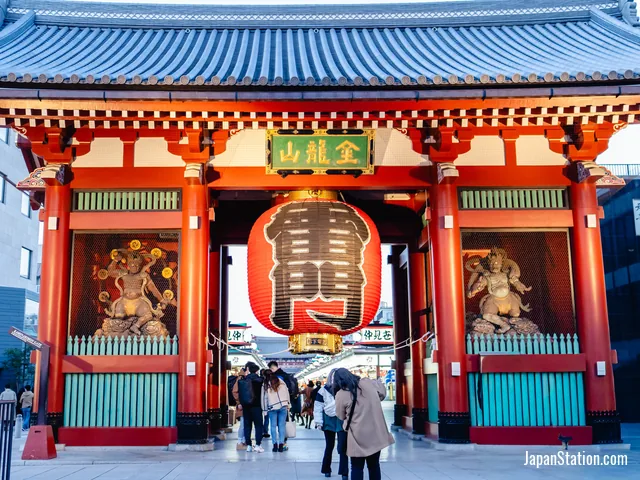
Tokyo-Asakusa puts Sensoji and old-town streets first, while keeping airport-connected rail and Tobu day-trip routes close at hand.
東京ディズニーリゾート
Around JR Maihama Station in Urayasu, Tokyo Disney Resort combines two theme parks, Ikspiari, resort hotels, and a four-stop monorail loop.
Polished dining and culture around Yebisu Garden Place give way to quieter residential streets, with Yamanote Line connections and walks toward the Meguro River.
South of Tokyo Station, Ginza is a district of department stores and smaller boutiques, with Kabukiza theater on its eastern side.
浜松町
Tokyo-Hamamatsucho combines quick Haneda connections with JR and subway access, while nearby gardens, Tokyo Tower, and evening dining reward time beyond a transfer.
East-side anime shops and Sunshine City meet west-side theaters in Tokyo-Ikebukuro, centered on one of northern Tokyo's largest rail hubs.
蒲田
Two distinct rail hubs shape Kamata, pairing direct Haneda Airport trains with JR and Tokyu connections toward central Tokyo, Yokohama, and the city's southwest.
錦糸町
JR rapid and local trains meet the Hanzomon Line at Kinshicho, keeping Tokyo Station, Akihabara, and Tokyo Skytree straightforward to reach.
Koenji is a Suginami neighborhood on Tokyo's Chuo Line known for vintage shops, live music, independent bars, small restaurants, and the summer Awa Odori festival.
日本橋
Historic department stores, specialist shops, river cruises, and modern office towers define Tokyo-Nihonbashi, a central district within walking distance of Tokyo Station and Ginza.
Three rail lines meet at Tokyo-Oimachi, a south Tokyo district where OIMACHI TRACKS adds dining, shopping, entertainment, and hotels to an everyday commercial neighborhood.
大久保・新大久保
Food leads in Tokyo-Okubo / Shin-Okubo, northern Shinjuku's multicultural district, where Korea Town, halal shops, and two nearby JR stations serve different routes.
Tree-lined Omotesando leads into Aoyama's quieter gallery and dining streets, with subway approaches at Omote-sando and Gaiemmae.
Tokyo-Oshiage is the Sumida Ward neighborhood around Oshiage Station and Tokyo Skytree, with Solamachi shopping, rail access, and apartment-style hotel options near Asakusa.
六本木
Between Tokyo Midtown and Roppongi Hills, Tokyo-Roppongi combines major art museums and late-night dining with Hibiya and Oedo Line connections.
Tokyo-Shibaura brings Blue Front's canal-side dining, public spaces, and Fairmont Tokyo within a covered walk of Hamamatsucho and its Tokyo Monorail connection to Haneda Airport.
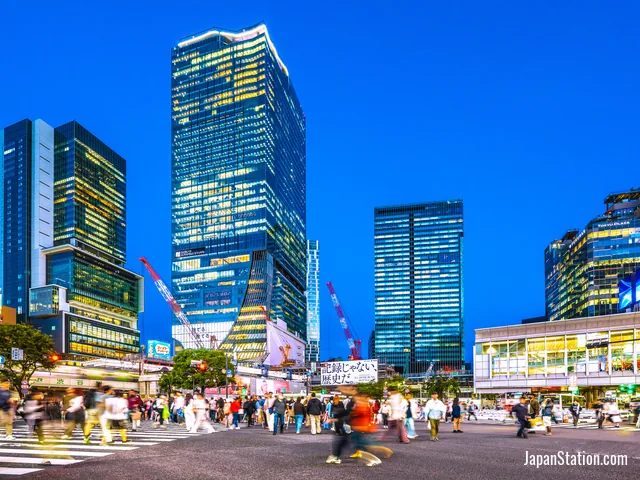
Around Shibuya's crossing and Center-gai, visitors find late-night streets, hotels on both sides of the tracks, and direct rail routes toward Yokohama.
新橋・汐留
High-rise hotels and offices meet after-work dining in Tokyo-Shimbashi / Shiodome, with Hama-rikyu Gardens and rail connections across central Tokyo and the waterfront.
Direct Haneda trains and westbound Shinkansen services shape Tokyo-Shinagawa, with hotels on both the Takanawa and Konan sides of Shinagawa Station.
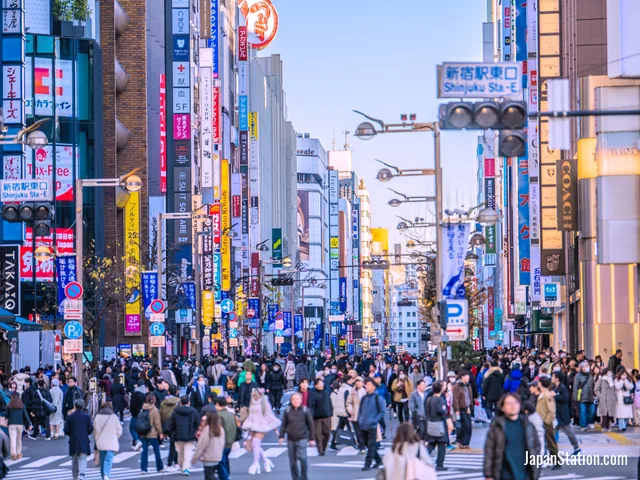
Across Tokyo's west side, Shinjuku brings extensive rail connections together with department stores, office towers, nightlife, parks, hotels, and highway buses.
Tokyo Station's red-brick Marunouchi facade faces broad palace-bound avenues, office towers, hotels, and restaurants, with Shinkansen and direct Narita trains close at hand.
竹芝
Waterfront walks, passenger piers, bay-view hotels, and theatres shape Tokyo-Takeshiba, while Hamamatsucho's JR lines and Haneda Airport monorail are a short walk inland.
On Tokyo's waterfront, Toyosu brings together bayside shopping, parks, family attractions, and the fish market, with Metro and Yurikamome connections from Toyosu Station.
Tokyo-Ueno trades glossy nightlife for park museums, Ameyoko street food, and convenient Narita rail connections within one busy, varied district.
Toyama Station Area is Toyama's rail-and-tram hub, best for Shinkansen arrivals and travelers planning quick city outings or regional day trips.
敦賀駅周辺
Tsuruga Station Area has hotels and cafes around the West Exit, with covered shopping streets leading toward Kehi Jingu Shrine.
Wakayama Station Area is better for airport-bus arrivals and hotel logistics than doorstep sightseeing, with JR routes close at hand.
Yokohama-Kannai links Yokohama Stadium with Chinatown and Nihon Odori through old port streets that continue east toward the waterfront.
Yokohama-Minatomirai gathers waterfront parks, museums, shopping, convention venues, and skyline views around Minatomirai Station and the bay.
YCAT and waterfront-facing malls define Yokohama Station Area's east side; department stores, restaurants, and hotels crowd around the west-side exits.
米沢駅周辺
Yonezawa Station Area is the city's most convenient place for Shinkansen arrivals, onward travel to Uesugi historic sites, hot springs, and trips across southern Yamagata.
